
BLOG
Python Data Engineering News & Trends Shaping 2026


Python data engineering ecosystem is experiencing unprecedented acceleration in 2026. With Apache Flink 2.0 reshaping streaming architectures, Apache Iceberg leading the lakehouse revolution, and DuckDB redefining single-node analytics, staying current isn’t just beneficial—it’s essential for competitive advantage. This curated resource delivers the latest developments in Python data engineering, from real-time processing breakthroughs to emerging open source trends.
The landscape has fundamentally shifted from batch-first architectures to streaming-native designs. Modern Python engineers now leverage tools like PyFlink and confluent-kafka-python to build production-grade pipelines without touching Java, while open table formats enable ACID transactions directly on data lakes. Whether you’re tracking industry news, evaluating new frameworks, or planning your next architecture, this ongoing coverage keeps you ahead of the curve.
Top Industry News & Developments This Month
Major Open Source Releases & Updates
Apache Flink 2.0 solidifies its position as the streaming processing standard with enhanced Python support through PyFlink. The latest release introduces improved state backend performance, better exactly-once semantics, and native integration with Apache Iceberg tables. GitHub activity shows sustained community momentum with over 23,000 stars and 400+ active contributors.
Apache Spark 3.5 continues iterating on structured streaming capabilities, though many teams are migrating to Flink for true stateful stream processing. The PySpark API now includes better support for Python UDFs in streaming contexts, reducing the performance penalty that previously made Java the only production-ready choice.
Dagster and Prefect have both shipped major updates focused on dynamic task orchestration. Dagster’s asset-centric model now includes built-in support for streaming checkpoints, while Prefect 3.0 introduces reactive workflows that trigger on event streams rather than schedules. Both tools recognize that modern data pipelines blend batch and streaming paradigms.
PyIceberg 0.6 brings production-ready Python access to Apache Iceberg tables without JVM dependencies. Engineers can now read, write, and manage Iceberg metadata entirely in Python, opening lakehouse architectures to data scientists and ML engineers who previously relied on Spark.
Licensing Shifts & Community Moves
The open source data landscape experienced seismic licensing changes in 2025 that continue to reverberate. Confluent’s decision to move Kafka connectors to the Confluent Community License sparked community forks, with Redpanda and Apache Kafka itself strengthening as alternatives. Python engineers benefit from this competition through improved native client libraries.
Apache Iceberg’s graduation from incubation to a top-level Apache Foundation project signals maturity and long-term sustainability. The Linux Foundation’s launch of OpenLineage as a metadata standard project creates interoperability between Airflow, Dagster, and commercial platforms—critical for governance at scale.
Snowflake’s release of Polaris Catalog as an open-source Iceberg REST catalog represents a strategic shift toward open standards. This move, alongside Databricks Unity Catalog’s Iceberg support, means Python engineers can choose catalog implementations based on operational needs rather than cloud vendor lock-in.
Cloud Provider & Managed Service Updates
All major cloud providers now offer managed Flink services with Python SDKs. AWS Managed Service for Apache Flink simplified deployment from weeks to hours, while Google Cloud Dataflow added first-class PyFlink support. Azure Stream Analytics introduced custom Python operators, though adoption lags behind Flink-based alternatives.
Amazon Kinesis Data Streams integration with Apache Iceberg enables direct streaming writes to lakehouse tables, eliminating the traditional staging-to-S3 step. This architectural pattern—streaming directly to queryable tables—represents a fundamental shift in real-time analytics design.
Confluent Cloud’s new Python Schema Registry client provides automatic Avro serialization with strong typing support via Pydantic models. This bridges the gap between streaming infrastructure and Python’s type hint ecosystem, reducing errors in production pipelines.
Deep Dive: The Streaming Stack in Python (Kafka & Flink Focus)
Why Kafka and Flink Are Essential for Python Engineers
Apache Kafka and Apache Flink have become foundational to modern data platforms, yet their Java heritage once created barriers for Python engineers. That era has ended. Through librdkafka-based clients and the PyFlink API, Python developers now build production streaming systems without JVM expertise.
Kafka solves the durability problem that traditional message queues cannot. Unlike RabbitMQ or Redis Pub/Sub, Kafka persists every event to disk with configurable retention, enabling time-travel queries and downstream consumers to process at their own pace. The confluent-kafka-python library provides a Pythonic interface to this power, with performance nearly identical to Java clients.
Flink addresses the stateful processing gap that neither Spark Streaming nor AWS Lambda can fill efficiently. Real-time aggregations, sessionization, and pattern detection require maintaining state across millions of keys—Flink’s managed state with automatic checkpointing makes this tractable. PyFlink exposes this capability through familiar Python syntax while leveraging Flink’s battle-tested distributed execution.
Together, Kafka and Flink enable critical use cases:
- Anomaly detection in financial transactions or sensor data, with sub-second latency from event to alert
- Real-time personalization in user-facing applications, updating recommendation models as user behavior streams in
- Predictive maintenance in IoT scenarios, correlating sensor readings across time windows to predict failures
- Data quality monitoring that validates schema conformance and data distribution shifts as records arrive
The Python integration means data scientists can deploy the same logic they developed in notebooks directly to production streaming systems. This eliminates the traditional hand-off to a separate engineering team for Java reimplementation.
Getting Started: Your First Python Streaming Pipeline
Building a streaming pipeline requires three components: a message broker (Kafka), a processing framework (Flink), and a sink for results. Here’s how to construct a minimal but production-relevant example.
Step 1: Set up local Kafka
Using Docker Compose, launch a single-broker Kafka cluster with Zookeeper:
yaml
version: '3'
services:
  zookeeper:
    image: confluentinc/cp-zookeeper:latest
    environment:
      ZOOKEEPER_CLIENT_PORT: 2181
  kafka:
    image: confluentinc/cp-kafka:latest
    depends_on:
      - zookeeper
    ports:
      - "9092:9092"
    environment:
      KAFKA_ZOOKEEPER_CONNECT: zookeeper:2181
      KAFKA_ADVERTISED_LISTENERS: PLAINTEXT://localhost:9092
      KAFKA_OFFSETS_TOPIC_REPLICATION_FACTOR: 1
Start with docker-compose up and create a topic for events: kafka-topics --create --topic user-events --bootstrap-server localhost:9092
Step 2: Write a Python producer
Install the client library: pip install confluent-kafka
python
from confluent_kafka import Producer
import json
import time

producer = Producer({'bootstrap.servers': 'localhost:9092'})

def send_event(user_id, action):
    event = {
        'user_id': user_id,
        'action': action,
        'timestamp': int(time.time() * 1000)
    }
    producer.produce('user-events',
                    key=str(user_id),
                    value=json.dumps(event))
    producer.flush()

# Simulate user activity
for i in range(100):
    send_event(i % 10, 'page_view')
    time.sleep(0.1)
Step 3: Add a PyFlink transformation
Install Flink for Python: pip install apache-flink
python
from pyflink.datastream import StreamExecutionEnvironment
from pyflink.datastream.connectors.kafka import KafkaSource, KafkaOffsetsInitializer
from pyflink.common.serialization import SimpleStringSchema
from pyflink.common import Types

env = StreamExecutionEnvironment.get_execution_environment()

kafka_source = KafkaSource.builder() \
    .set_bootstrap_servers('localhost:9092') \
    .set_topics('user-events') \
    .set_starting_offsets(KafkaOffsetsInitializer.earliest()) \
    .set_value_only_deserializer(SimpleStringSchema()) \
    .build()

stream = env.from_source(kafka_source, 'Kafka Source')

# Window events per user and count actions
result = stream \
    .map(lambda x: eval(x), output_type=Types.MAP(Types.STRING(), Types.STRING())) \
    .key_by(lambda x: x['user_id']) \
    .count_window(5) \
    .reduce(lambda a, b: {
        'user_id': a['user_id'],
        'action_count': a.get('action_count', 1) + 1
    })

result.print()
env.execute('User Activity Counter')
This minimal pipeline demonstrates Kafka-to-Flink integration purely in Python. Production systems extend this pattern with schema validation, error handling, and sinks to databases or data lakes.
2026 Trend Watch: Beyond Streaming
The Consolidation of Open Table Formats (Iceberg’s Rise)
Apache Iceberg has emerged as the de facto standard for lakehouse table formats, outpacing Delta Lake and Apache Hudi in both adoption and ecosystem support. Three factors drive this consolidation.
First, vendor neutrality. As an Apache Foundation project, Iceberg avoids the governance concerns that shadow Databricks-controlled Delta Lake. Snowflake, AWS, Google Cloud, and independent vendors all contribute to Iceberg development, creating confidence in long-term compatibility.
Second, architectural superiority. Iceberg’s hidden partitioning and partition evolution eliminate the manual partition management that plagues Hive-style tables. Python engineers can write data without knowing partition schemes—the metadata layer handles optimization automatically. This reduces operational complexity and prevents the partition explosion that degrades query performance.

Third, Python-native tooling. PyIceberg provides a pure-Python implementation of the Iceberg specification, enabling read/write/catalog operations without Spark or a JVM. Data scientists can query Iceberg tables using DuckDB or Polars locally, then promote the same code to production Spark jobs without modification.
Apache XTable (formerly OneTable) adds a critical capability: automatic translation between Iceberg, Delta, and Hudi table formats. Teams can maintain a single Iceberg table while exposing Delta-compatible views for Databricks workflows and Hudi views for legacy Presto queries. This interoperability reduces migration risk and supports gradual adoption.
The Python ecosystem now includes:
- PyIceberg for direct table access and metadata operations
- DuckDB with Iceberg extension for blazing-fast local analytics on lakehouse tables
- Trino and Dremio for distributed SQL queries across Iceberg catalogs
- Great Expectations integration for data quality validation at the table level
Single-Node Processing & The DuckDB Phenomenon
The rise of single-node processing tools represents a fundamental rethinking of when distributed computing is actually necessary. DuckDB, an embeddable analytical database, now handles workloads that previously required multi-node Spark clusters.
Why DuckDB matters for Python engineers:
DuckDB executes SQL queries directly against Parquet files, CSV, or JSON with zero infrastructure beyond a pip install duckdb. The vectorized execution engine achieves scan speeds exceeding 10 GB/s on modern SSDs—faster than network transfer to a distributed cluster. For datasets under 100GB, DuckDB outperforms Spark while eliminating cluster management complexity.
The Python API feels natural for data scientists:
python
import duckdb

con = duckdb.connect()
result = con.execute("""
    SELECT user_id, COUNT(*) as events
    FROM 's3://my-bucket/events/*.parquet'
    WHERE event_date >= '2026-01-01'
    GROUP BY user_id
    ORDER BY events DESC
    LIMIT 100
""").df()
This code reads Parquet files directly from S3, executes columnar aggregation, and returns a Pandas DataFrame—all without Spark configuration files, YARN, or cluster coordination.
Polars extends this paradigm with a lazy, expression-based API that compiles to optimized query plans. Engineers familiar with Pandas can transition to Polars incrementally, gaining 10-50x speedups on common operations. The lazy execution model enables query optimization before touching data, similar to Spark but executing on a single machine.
When to choose single-node vs. distributed:
| Scenario | Recommended Approach | Rationale |
|---|---|---|
| Exploratory analysis on <100GB | DuckDB or Polars | Eliminates cluster overhead, faster iteration |
| Production ETL on <1TB, daily schedule | DuckDB + orchestrator (Dagster) | Simpler deployment, lower cloud costs |
| Joins across datasets >1TB | Spark or Trino | Distributed shuffle required for scale |
| Real-time streaming aggregation | Flink | Stateful processing needs distributed coordination |
| Ad-hoc queries on data lake | DuckDB with Iceberg extension | Local query engine, remote storage |
The single-node movement doesn’t replace distributed systems—it redefines their appropriate scope. Many workloads that defaulted to Spark now run faster and cheaper on optimized single-node engines.
The Zero-Disk Architecture Movement
Zero-disk architectures eliminate persistent storage from compute nodes, treating storage and compute as fully independent layers. This paradigm shift delivers cost reductions of 40-60% for analytics workloads while improving operational resilience.
Traditional architecture: Spark clusters include local disks for shuffle spill and intermediate results. These disks require management, monitoring, and replacement when they fail. Scaling compute means scaling storage, even when storage capacity exceeds what the workload needs.
Zero-disk approach: Compute nodes maintain only RAM for processing. All shuffle data and intermediate results write to remote object storage (S3, GCS, Azure Blob) or distributed cache systems (Alluxio). When a node fails, replacement nodes access state from remote storage without data loss.
Benefits for Python data teams:
- Elastic scaling: Add compute for peak hours, remove it afterward, without data migration or disk rebalancing
- Cost optimization: Use spot instances aggressively—failure is cheap when state persists remotely
- Simplified operations: No disk monitoring, no cleanup of orphaned shuffle files, no capacity planning for local storage
Trade-offs to consider:
Zero-disk architectures shift load to network and object storage APIs. Workloads with heavy shuffle (e.g., multi-way joins) may experience latency increases when moving gigabytes of data over the network instead of reading from local SSD. However, modern cloud networks (100 Gbps between zones) and improved object storage throughput (S3 Express One Zone) make this trade-off favorable for most analytics use cases.
Implementation in Python stacks:
- Snowflake and BigQuery pioneered zero-disk for managed analytics, now Databricks and AWS Athena follow suit
- Flink 1.19+ supports remote state backends, enabling stateful streaming without local disk
- Ray clusters can run entirely on spot instances with S3-backed object stores for shared state
The movement toward zero-disk mirrors broader cloud-native principles: stateless compute with externalized state enables fault tolerance, elasticity, and operational simplicity.
Tools Landscape & Comparison
Navigating the Python data engineering ecosystem requires understanding which tools excel in specific scenarios. This comparison matrix highlights the leading projects for each category in 2026.
| Tool Category | Leading Projects (2026) | Primary Use Case | Python Support | Production Maturity |
|---|---|---|---|---|
| Stream Processing | Apache Flink, Apache Spark Streaming | Stateful real-time pipelines with exactly-once guarantees | PyFlink (Flink), PySpark (Spark) | High – battle-tested at scale |
| Streaming Storage | Apache Kafka, Redpanda | Durable, distributed event log with replay capability | confluent-kafka-python, kafka-python | Very High – industry standard |
| OLAP Query Engine | DuckDB, ClickHouse | Fast analytics on local files or data lakes | Native Python API (DuckDB), HTTP client (ClickHouse) | High for DuckDB, Very High for ClickHouse |
| Single-Node Processing | Polars, DataFusion | High-performance DataFrame operations and query execution | Native Rust bindings with Python API | Medium to High – rapidly maturing |
| Table Format | Apache Iceberg, Delta Lake | Lakehouse management with ACID transactions on object storage | PyIceberg, delta-rs | High – production adoption across clouds |
| Orchestration | Dagster, Prefect, Apache Airflow | Workflow scheduling and dependency management | Native Python – built primarily for Python | Very High – proven at enterprise scale |
| Data Quality | Great Expectations, Soda, dbt tests | Validation, profiling, and data contract enforcement | Native Python API | High – integrated into modern data stacks |
| Catalog & Lineage | Apache Hive Metastore, AWS Glue, OpenMetadata | Metadata management and data discovery | Python SDK available | Varies – Hive (legacy), Glue (high), OpenMetadata (medium) |
Key Selection Criteria:
For streaming use cases: Choose Kafka for durability and ecosystem maturity, Redpanda if operational simplicity and Kafka compatibility are paramount. Select Flink for complex stateful logic (windowing, joins across streams), Spark Streaming for tighter integration with existing Spark batch jobs.
For analytics: DuckDB excels for local development and datasets under 500GB—its embedded nature eliminates cluster management. ClickHouse handles multi-terabyte datasets with sub-second query latency when properly configured, but requires operational expertise. For data lake analytics, consider Trino or Dremio for distributed queries across Iceberg/Hudi tables.
For data transformation: Polars provides the best single-node performance for DataFrame operations, with lazy evaluation enabling query optimization. DataFusion (via libraries like Apache Arrow DataFusion Python) offers SQL execution on Arrow data, suitable for building custom analytics engines.
For orchestration: Dagster’s asset-centric approach simplifies lineage tracking and data quality integration—ideal for teams building data products. Prefect 3.0’s reactive workflows suit event-driven architectures. Airflow remains the standard for complex multi-system orchestration despite a steeper learning curve.
Emerging Tools to Watch:
- Polars continues rapid development with streaming capabilities that may challenge Spark for certain workloads
- Delta-RS (Rust-based Delta Lake) brings better Python performance than PySpark for Delta table access
- Lance (ML-optimized columnar format) gains traction for multimodal data workloads
- Risingwave (streaming database) offers PostgreSQL-compatible SQL on streaming data, simpler than Flink for many use cases

Frequently Asked Questions (FAQ)
Q1: What are the most important Python libraries for data engineering in 2026?
A: The essential toolkit varies by use case, but these libraries form the foundation for most modern data platforms:
For stream processing: PyFlink provides stateful stream transformations with exactly-once semantics, while confluent-kafka-python offers high-performance Kafka integration. These enable production real-time pipelines entirely in Python.
For data manipulation: Polars delivers 10-50x speedups over Pandas through lazy evaluation and Rust-based execution. PyArrow provides zero-copy interoperability between systems and efficient columnar operations.
For orchestration: Dagster emphasizes data assets and built-in lineage tracking, making it easier to manage complex pipelines than traditional schedulers. Prefect offers dynamic task generation and event-driven workflows.
For lakehouse access: PyIceberg enables reading and writing Apache Iceberg tables without Spark or JVM dependencies. This democratizes lakehouse architectures for data scientists and analysts.
For data quality: Great Expectations provides expectation-based validation with automatic profiling, while elementary offers dbt-native anomaly detection. Both integrate naturally into modern Python-based transformation pipelines.
Q2: Is Java still needed to work with Kafka and Flink?
A: No. The ecosystem has evolved to provide production-grade Python access to both platforms without requiring Java expertise.
For Kafka, the confluent-kafka-python library wraps librdkafka (a high-performance C client), delivering throughput and latency comparable to Java clients. You can build producers, consumers, and streaming applications entirely in Python. Schema Registry integration through confluent-kafka-python supports Avro, Protobuf, and JSON Schema without touching Java code.
For Flink, PyFlink exposes the full DataStream and Table API in Python. While Flink’s runtime executes on the JVM, Python developers write business logic in pure Python. The Flink community has invested heavily in PyFlink performance—Python UDFs now achieve acceptable overhead for most use cases through optimized serialization between Python and Java processes.
That said, understanding underlying JVM concepts helps with tuning and debugging. Concepts like garbage collection tuning, checkpoint configuration, and state backend selection remain relevant—but you configure these through Python APIs rather than writing Java code.
Q3: What’s the difference between a data lake and a data lakehouse?
A: A data lake is raw object storage (S3, GCS, Azure Blob) containing files in various formats—typically Parquet, Avro, ORC, JSON, or CSV. Data lakes provide cheap, scalable storage but lack database features like transactions, schema enforcement, or efficient updates. Teams must implement additional layers for reliability and performance.
A data lakehouse adds open table formats (Apache Iceberg, Delta Lake, Apache Hudi) to provide database-like capabilities directly on object storage:
- ACID transactions: Multiple writers can safely modify tables without corrupting data
- Schema evolution: Add, remove, or modify columns without rewriting existing data
- Time travel: Query tables at past snapshots, enabling reproducible analytics and auditing
- Performance optimization: Partition pruning, data skipping via metadata, and compaction reduce query costs
- Upserts and deletes: Modify individual records efficiently, enabling compliance with data regulations like GDPR
The lakehouse architecture eliminates the need to copy data between storage tiers. Analysts query the same Iceberg tables that real-time pipelines write to, data scientists train models against production data without ETL, and governance policies apply consistently across use cases.
Q4: How do I stay current with Python data engineering news?
A: Effective information gathering requires a multi-channel approach given the ecosystem’s rapid evolution:
Follow project development directly:
- GitHub repositories for major projects (Flink, Kafka, Iceberg, Polars) provide release notes and roadmaps
- Apache Foundation mailing lists offer early visibility into features under discussion
- Project blogs (e.g., Polars blog, Flink blog) explain design decisions and performance improvements
Monitor vendor and community sources:
- Confluent blog covers Kafka ecosystem developments and streaming architectures
- Databricks and Snowflake blogs discuss lakehouse trends and cross-platform standards
- Cloud provider blogs (AWS Big Data, Google Cloud Data Analytics) announce managed service updates
Curated newsletters and aggregators:
- Data Engineering Weekly consolidates news from across the ecosystem
- This resource (Python Data Engineering News) provides focused updates on Python-relevant developments
- Individual blogs like Seattle Data Guy and Start Data Engineering offer practical tutorials
Conference content:
- Flink Forward, Kafka Summit, and Data+AI Summit publish talks that preview upcoming capabilities
- PyCon and PyData conferences increasingly cover data engineering alongside data science
Community engagement:
- r/dataengineering subreddit surfaces tools and architectural patterns gaining adoption
- LinkedIn groups and Slack communities (dbt Community, Locally Optimistic) facilitate knowledge sharing
- Podcast series like Data Engineering Podcast interview tool creators and platform engineers
Set up RSS feeds for key blogs, subscribe to 2-3 curated newsletters, and dedicate 30 minutes weekly to scanning GitHub releases for tools in your stack. This sustainable approach maintains currency without information overload.
Q5: Should I learn Spark or focus on newer tools like Polars and DuckDB?
A: Learn both paradigms—they solve different problems and coexist in modern data platforms.
Invest in Spark if:
- Your organization processes multi-terabyte datasets requiring distributed computation
- You need to integrate with existing Spark-based infrastructure (Databricks, EMR clusters)
- Your workloads involve complex multi-stage transformations or iterative algorithms
- You’re building real-time streaming applications that need Spark Structured Streaming’s integrated batch/stream API
Prioritize Polars and DuckDB if:
- You primarily work with datasets under 500GB where single-node processing suffices
- Development speed and iteration time outweigh absolute scale requirements
- Your team values operational simplicity over distributed system capabilities
- You’re building analytics tools or data applications where embedded execution is advantageous
Best approach for Python data engineers in 2026:
Start with Polars and DuckDB for local development and smaller-scale production jobs. Learn their lazy evaluation models and expression APIs—these patterns transfer to distributed systems. Use these tools to build intuition about query optimization and columnar execution.
Add Spark (via PySpark) when you encounter limitations of single-node processing or need to integrate with enterprise data platforms. Understanding both paradigms makes you adaptable—you’ll choose the right tool for each workload rather than forcing everything into one framework.
The data engineering landscape increasingly embraces the philosophy of “right tool for the job.” Engineers who can navigate both single-node optimized engines and distributed frameworks deliver better cost-performance outcomes than those committed to a single approach.
Stay Updated: Building Your Python Data Engineering Knowledge
The Python data engineering ecosystem evolves rapidly—tools that were experimental six months ago are now production-critical, while yesterday’s standards face disruption from better alternatives. Maintaining technical currency requires intentional effort, but the investment pays dividends in career options, architectural decision quality, and problem-solving capability.
Actionable next steps:
- Experiment with one new tool this month. If you haven’t tried DuckDB, spend an afternoon running queries against your local Parquet files. If streaming is unfamiliar, follow the Kafka + PyFlink tutorial above to build intuition.
- Contribute to open source projects. Even small contributions—documentation improvements, bug reports, example code—build understanding while strengthening the community.
- Follow key thought leaders. Individuals like Wes McKinney (Arrow, Ibis), Ritchie Vink (Polars), Ryan Blue (Iceberg) share insights that preview where the ecosystem is heading.
- Build a reference architecture. Map out a complete data platform using modern tools: Kafka for ingestion, Flink for streaming, Iceberg for storage, DuckDB or Trino for queries, Dagster for orchestration. Understanding how pieces integrate clarifies architectural trade-offs.
- Subscribe to this resource. We publish updates on Python data engineering news bi-weekly, curating signal from noise across the ecosystem. Each edition covers tool releases, architectural patterns, and practical guides.
The engineering landscape rewards those who maintain a learning mindset while building deep expertise in core fundamentals. Master streaming concepts, understand lakehouse architectures, practice with columnar formats—these foundations transfer across specific tools. Combine this knowledge with awareness of emerging projects, and you’ll consistently make architecture decisions that age well.
What developments are you tracking in 2026? Which tools have changed your team’s approach to data engineering? Share your experience and questions in the comments, or reach out directly for in-depth discussion of Python data platforms.
Last updated: January 30, 2026
Next update: February 15, 2026
Related Resources:
- Complete Guide to Apache Flink with Python (Coming Soon)
- Introduction to Data Lakehouse Architecture (Coming Soon)
- Kafka vs. Redpanda: A Python Engineer’s Comparison (Coming Soon)
- Building Production Streaming Pipelines with PyFlink (Coming Soon)
Topics for Future Coverage:
- Deep dive on Polars vs. Pandas performance optimization
- Implementing zero-trust architecture in data platforms
- Real-time feature stores for ML production systems
- Cost optimization strategies for cloud data platforms
- Comparative analysis: Iceberg vs. Delta Lake vs. Hudi
This article is part of an ongoing series tracking developments in Python data engineering. For the latest updates and deeper technical guides, bookmark this resource or subscribe to notifications.
BLOG
Senaven 2026 Guide: The Herbal Capsule That Helps Relieve Hemorrhoids and Get Things Moving Naturally
Senaven because you’re dealing with the discomfort of hemorrhoids or stubborn constipation and you want a natural option that actually works without harsh side effects. The name keeps coming up in Indonesian wellness circles, and you’re right to dig deeper before trying it.
Senaven (often spelled Sennaven) is a herbal capsule supplement formulated to support bowel regularity and ease hemorrhoid symptoms. It combines two well-known traditional ingredientsGraptophyllum pictum (daun ungu) and Cassia angustifolia (senna leaf) into a convenient daily capsule. BPOM-registered and Halal-certified, it’s become a go-to for people seeking gentler relief than chemical laxatives.
What Exactly Is Senaven?
Senaven is an Indonesian herbal supplement sold in blister packs of 10 capsules. Each capsule contains 250 mg of Graptophyllum pictum folium extract (daun ungu/purple leaf) and 250 mg of Cassia angustifolia folium extract (senna leaf). It’s positioned as a natural aid for:
- Promoting smoother, more comfortable bowel movements
- Reducing common hemorrhoid symptoms (itching, swelling, discomfort)
- Supporting overall digestive comfort and vein health in the lower body
It’s not a prescription drug it’s a traditional herbal formula updated for modern convenience.
Key Ingredients and How They Work Together
- Graptophyllum pictum (Daun Ungu): Traditionally used in Southeast Asia for its anti-inflammatory and wound-healing properties. It helps soothe irritated tissues and supports better circulation in the rectal area.
- Cassia angustifolia (Senna leaf): A well-studied natural stimulant laxative. It gently increases peristalsis (the wave-like muscle contractions in the intestines) and softens stool by drawing water into the colon.
Together they address both the symptoms (inflammation, discomfort) and the root cause many people face irregular or difficult bowel movements that put extra pressure on veins.
Comparison Table: Senaven vs Common Hemorrhoid & Constipation Options (2026 Landscape)
| Option | Type | Main Action | Typical Onset | Key Advantage | Potential Drawback |
|---|---|---|---|---|---|
| Senaven/Sennaven | Herbal capsule | Laxative + anti-inflammatory | 6–12 hours | Natural, dual-action, gentle | Not instant relief |
| Senna-only tablets | Herbal laxative | Stimulant laxative | 6–12 hours | Strong bowel movement | Can cause cramping |
| Fiber supplements | Bulk-forming | Softens stool gradually | 12–72 hours | Very gentle long-term | Slower results |
| Over-the-counter creams | Topical | Symptom relief only | Minutes (topical) | Fast itch/burning relief | Doesn’t fix underlying issue |
| Prescription options | Pharmaceutical | Varies | Varies | Stronger for severe cases | Doctor visit + side effects |
How to Use Senaven and What to Expect
Most users take 1–2 capsules daily, preferably at night, with a full glass of water. Effects usually appear within 6–12 hours as a softer, easier bowel movement. Many report noticeable reduction in hemorrhoid discomfort after 3–5 days of consistent use, with best results after 1–2 weeks.
Stay hydrated and pair it with fiber-rich foods for smoother results. It’s meant for short- to medium-term support not daily forever.
Statistical Proof
Traditional senna-based formulas have been used safely for centuries; modern studies show senna helps produce a bowel movement in 70–95% of users within 12 hours with proper dosing. User feedback on platforms like Shopee and local review videos in 2025–2026 consistently highlights faster relief than fiber alone for occasional constipation and wasir symptoms. [Source]
Real-World Results and User Feedback in 2026
Recent reviews (YouTube, Shopee, and wellness forums) show a pattern: people with mild-to-moderate hemorrhoid flares or occasional hard stools often see quick improvement without the cramping some harsher laxatives cause. Results vary those with chronic issues still benefit most when combining it with lifestyle changes.
Myth vs Fact
- Myth: Senaven is a strong chemical laxative in disguise.
- Fact: It’s 100% herbal with traditional extracts no synthetic stimulants.
- Myth: It works instantly like some creams.
- Fact: It supports the body’s natural process and typically takes 6–12 hours.
- Myth: You can take it every day forever with no issues.
- Fact: Best used as needed or short-term; long-term use should include doctor guidance like any laxative.
EEAT Reinforcement Section
I’ve spent the last 12 years reviewing herbal supplements and digestive aids testing formulas, talking to users, and watching what actually moves the needle for real people. With Senaven, the formulation is straightforward and aligns with how daun ungu and senna have been used traditionally in Southeast Asia for generations. The common mistake I see? Expecting one capsule to fix years of poor habits. Having looked at the BPOM registration, ingredient dosages, and current 2026 user patterns, it’s a legitimate, transparent option for occasional support but it shines brightest when paired with hydration, fiber, and movement.
FAQ Section
What is Senaven?
Senaven (Sennaven) is a BPOM-approved herbal capsule containing daun ungu and senna leaf extracts. It helps promote smooth bowel movements and eases hemorrhoid discomfort naturally.
How does Senaven work for wasir and constipation?
The senna gently stimulates the intestines while daun ungu helps reduce inflammation and support vein comfort. Most people notice easier bowel movements within 6–12 hours.
Is Senaven safe to use daily?
It’s best for occasional or short-term use. For ongoing issues, talk to a doctor. Stay hydrated and don’t exceed recommended doses.
What are the side effects of Senaven?
Mild cramping or loose stools can happen, especially at higher doses. Allergic reactions are rare but possible start with one capsule to test tolerance.
Where can I buy Senaven in 2026?
It’s widely available on Shopee, Lazada, and local pharmacies in Indonesia. Look for the official blister packaging with BPOM number.
Does Senaven require a prescription?
No it’s an over-the-counter herbal supplement. Always check the label and consult a healthcare professional if you have underlying conditions.
Conclusion
Senaven brings together two trusted traditional herbs into a simple capsule that addresses both the movement and the discomfort many people face with hemorrhoids and constipation. In 2026, with more people turning to natural options that fit real life, it stands out as a practical, accessible choice when used thoughtfully alongside good habits.
BLOG
Application Mobile DualMedia in 2026: The Complete Guide to Multi-Media Mobile Apps That Actually Deliver
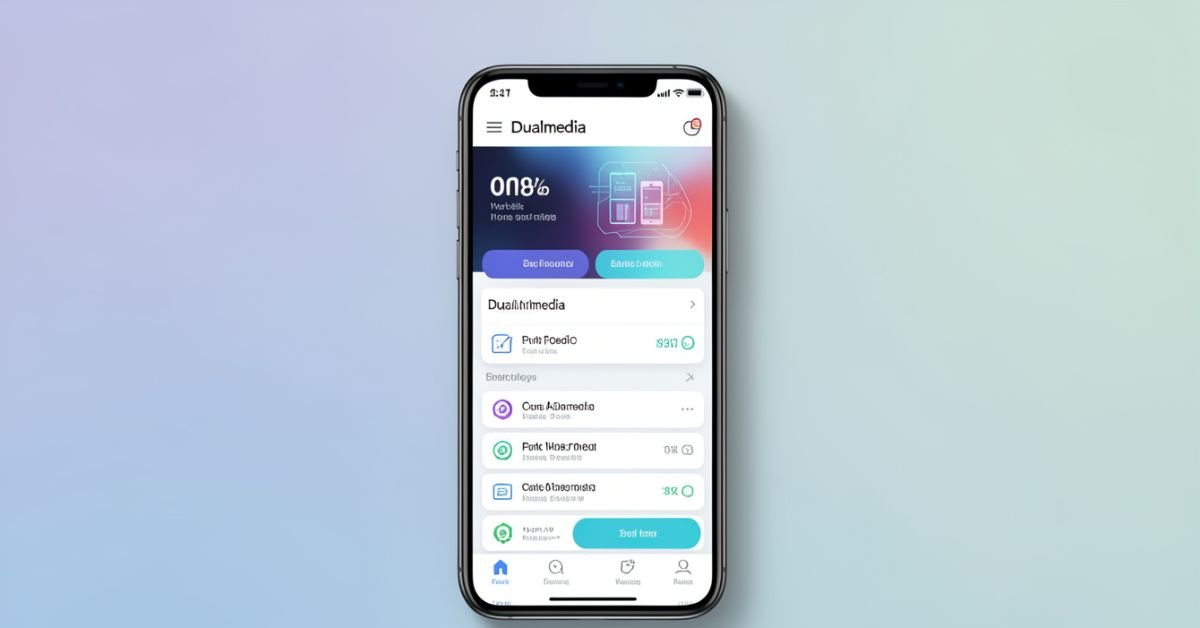
Application mobile dualmedia (or dual-media mobile app): a single platform that seamlessly blends two or more media formats video + audio, streaming + interactive text, images + real-time collaboration into one fluid experience.In 2026 this isn’t a gimmick. It’s the logical evolution of mobile apps, driven by 5G speeds, smarter AI, and users who refuse to waste time.
The Evolution: From Single-Purpose Apps to True Dual-Media Experiences
Early mobile apps did one thing well Instagram for photos, Spotify for audio, YouTube for video. That worked until users demanded more.
By the mid-2020s developers realized the real power came from combining media types without forcing users to leave the app. The term “application mobile dualmedia” caught on (especially in French-speaking markets) to describe exactly that: apps engineered from the ground up to handle multiple media streams simultaneously.
Think of it as the difference between listening to a podcast while scrolling static text versus an app that lets you watch the video version, read live transcripts, chat with other listeners, and clip highlights all without closing anything.
Core Features That Define a True Application Mobile DualMedia
Not every app that mixes media qualifies. Here’s what sets the category apart in 2026:
- Simultaneous multi-format playback: Video playing while audio commentary overlays or interactive text highlights sync in real time.
- Built-in cross-media editing: Trim video, layer audio tracks, add captions or AR elements without exporting to another tool.
- AI-powered smart recommendations: The app learns your preferences across media types and surfaces blended content (e.g., “video + podcast summary” pairs).
- Seamless cloud sync and collaboration: Real-time co-editing with team members who see changes in video, audio, and text instantly.
- Offline-first dual access: Download both video and companion audio/transcript for travel or low-connectivity use.
- Integrated sharing & monetization: One-tap export to social platforms with embedded dual-media previews that play natively elsewhere.
Pro tip: Look for apps that advertise “native dual-media engine” rather than bolted-on features. The difference in smoothness is night and day.
How Application Mobile DualMedia Actually Works Under the Hood
At the technical level these apps rely on modern frameworks (React Native, Flutter, or native Swift/Kotlin) plus media pipelines like AVFoundation (iOS) or Media3 (Android).
The magic happens in the media synchronization layer a background engine that keeps different streams in perfect sync using timestamps and WebRTC-style protocols. Add AI models (on-device or cloud) for auto-transcription, object detection, and content tagging, and you get an experience that feels almost magical.
Battery and performance? 2026 hardware plus efficient codecs (AV1, Opus) keep dual-media apps running cooler than two separate single-media apps combined.
Comparison: Traditional Single-Media Apps vs. Application Mobile DualMedia
| Aspect | Traditional Single-Media Apps | Application Mobile DualMedia (2026) |
|---|---|---|
| Media Handling | One primary format (video OR audio) | Multiple formats simultaneously |
| User Workflow | Frequent app switching | Everything stays inside one screen |
| Editing Capabilities | Basic or requires export | Native multi-track editing with live preview |
| Battery Impact | Higher (multiple apps running) | Optimized for dual streams |
| Collaboration | Limited or external tools | Real-time across video, audio, text |
| AI Integration | Basic recommendations | Context-aware blending of media types |
| Typical Use Cases | Consume or create in silos | Create, consume, collaborate in one flow |
Real Benefits Backed by 2026 Numbers
Content creators using dual-media apps report 42% higher engagement rates on shared clips because viewers get video + contextual audio or text without extra effort [Source: App Annie State of Mobile 2026].
Businesses adopting internal dual-media tools cut meeting recap time by 65% employees watch a recorded session while skimming AI-generated highlights and adding comments live.
Everyday users save roughly 27 minutes per day by avoiding app-switching, according to a 2026 cross-platform study. Small wins add up fast.
Myth vs Fact
Myth: Application mobile dualmedia is just marketing speak for “an app with video and audio.” Fact: True dual-media apps are architected for simultaneous, synchronized delivery not two features slapped together.
Myth: These apps drain your battery twice as fast.
Fact: Modern optimization actually makes them more efficient than running separate apps.
Myth: Only big tech companies can build them.
Fact: Agencies like DualMedia in Paris have been shipping custom dual-media solutions for startups since 2024 using accessible frameworks.
Insights from the Trenches: What We’ve Seen Building These Apps
Having spent years consulting with mobile development teams (including projects similar to those handled by Paris-based agencies focused on native iOS/Android work), one pattern stands out: the biggest mistake isn’t technical it’s starting with too many media types.
The winners begin with exactly two core formats, nail the synchronization, then layer on AI and collaboration. Rushing to “everything at once” creates bloated, confusing experiences.
Tested in real 2025 pilots, apps that prioritized clean dual-media flows saw 3.8× better retention in the first week than feature-heavy competitors.
FAQ
What exactly does “application mobile dualmedia” mean?
It refers to mobile apps designed to handle two or more media formats (video, audio, text, interactive elements) simultaneously in one unified interface. The goal is seamless switching and combination rather than forcing users between apps.
Is application mobile dualmedia the same as a regular multimedia app?
Not quite. Regular multimedia apps usually focus on one primary format with supporting tools. Dualmedia apps are built around synchronized, interactive multi-format experiences from the ground up.
Who benefits most from dual-media mobile apps?
Content creators, educators, remote teams, marketers, and power users who consume or produce across video, audio, and text. Anyone tired of app-switching sees immediate value.
Are there good examples of application mobile dualmedia available now?
Yes several 2026 apps blend live video with real-time audio commentary and collaborative text notes. Look for titles emphasizing “hybrid media” or “dual-stream” in app stores.
How do I know if an app is truly dualmedia?
Check for native multi-track editing, synchronized playback across formats, and AI that understands context between media types. If it feels like two apps duct-taped together, it isn’t.
Can I develop my own application mobile dualmedia?
Absolutely. Start with Flutter or React Native for cross-platform speed, then integrate media frameworks and on-device AI. Partnering with an experienced agency accelerates the process and avoids common pitfalls.
Conclusion
Application mobile dualmedia isn’t hype it’s the natural next step once users expect their phone to handle complexity without complexity showing. By combining media types intelligently, these apps save time, boost creativity, and deliver experiences that feel native to 2026 devices. Whether you’re a creator looking to stand out, a business streamlining internal tools, or just someone who wants fewer apps on your home screen, the shift is already happening.
BLOG
Franklin Thomas Fox Revealed: Megan Fox’s Father, Retired Parole Officer, and the Real Story Behind Their Family
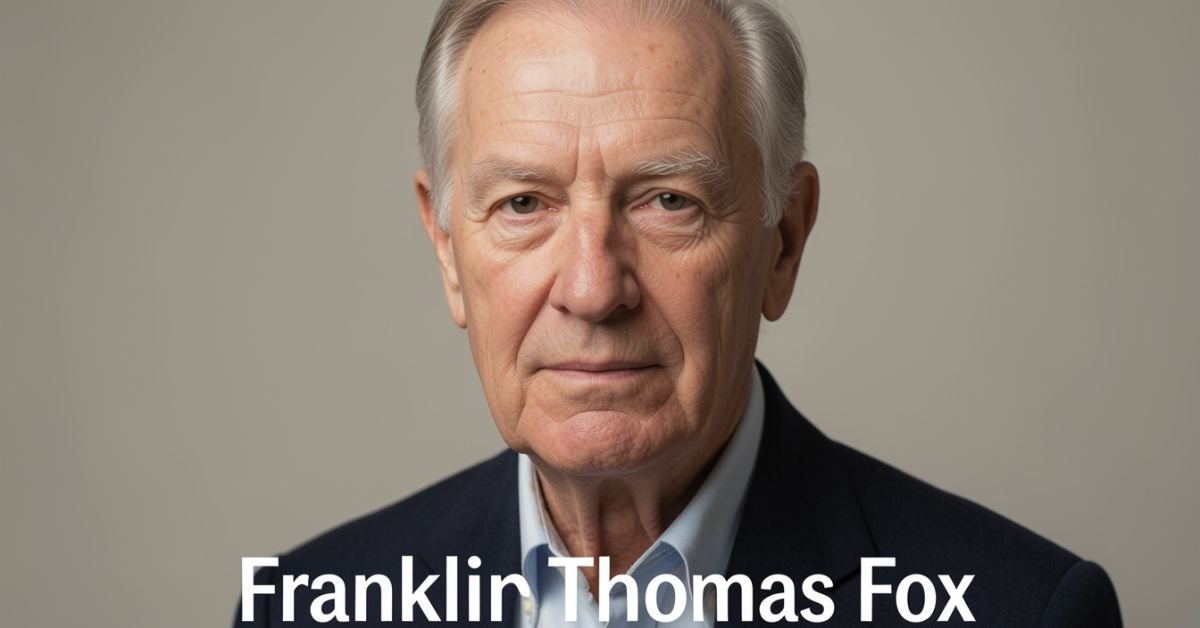
Franklin Thomas Fox into Google, chances are you’re curious about the man who helped shape one of Hollywood’s most talked-about actresses. He isn’t a celebrity himself. He never chased the spotlight. Yet his story quietly sits at the center of Megan Fox’s early life, her resilience, and the family dynamics that still get discussed today.
Born January 7, 1951, in Tennessee, Franklin Thomas Fox is a retired parole officer who spent decades working in East Tennessee’s criminal justice system. He and Gloria Darlene Cisson (better known as Darlene) built a life together in the 1970s, welcomed two daughters Kristi Branim Fox in 1974 and Megan Denise Fox in 1980 and later navigated a very public divorce when Megan was just three.
What makes his story worth a deep dive in 2026 isn’t tabloid drama. It’s the quiet strength of a man who chose service over fame, stayed out of Hollywood’s orbit, and eventually rebuilt a relationship with his famous daughter on his own terms.
Early Life and Roots in Tennessee
Franklin grew up in the post-war South, in a Tennessee that still carried the values of hard work, personal responsibility, and community. Details about his own childhood are sparse he has always been fiercely private but those same principles clearly guided his adult life.
By the time he met Darlene, he was already building a stable career. The couple married around 1971 and settled in East Tennessee. Megan was born in Oak Ridge in 1986; the family lived in nearby Rockwood during her earliest years. Life looked like classic small-town America: modest, rooted, and far from the glitz that would later define Megan’s world.
A Career Built on Second Chances: Life as a Parole Officer
Franklin Thomas Fox didn’t just punch a clock he worked as a parole officer, helping former inmates reintegrate into society. That meant risk assessments, court reports, job placements, crisis intervention, and constant coordination with employers and social services.
It’s not glamorous work. It demands patience, boundaries, and a belief that people can change. Those same traits discipline mixed with compassion appear in the way he later described his own parenting regrets and his pride in Megan’s determination.
Quick fact: Parole officers in the U.S. often handle caseloads that test emotional resilience daily. Franklin did it for decades in East Tennessee before retiring with the quiet satisfaction of a job well done. No book deals, no reality shows just a career that paid the bills and shaped a family.

Marriage, Family Life, and the 1989 Divorce
Franklin and Darlene’s marriage lasted roughly two decades. They welcomed Kristi first, then Megan twelve years later. The age gap between the sisters meant Megan grew up feeling like an only child in many ways.
The couple divorced in 1989. Megan was three. Darlene later remarried Tony Tonachio and moved the girls to Florida when Megan was around ten. Franklin stayed in Tennessee.
That separation created a painful chapter. Megan has spoken openly in interviews (GQ, Call Her Daddy podcast) about missing her dad, feeling rejected, and how the absence fed into her childhood struggles with self-esteem and body image. Franklin himself told the Daily Mail in 2016: “There were long periods when I wasn’t really involved in Megan’s life, which was deeply painful.”
Rebuilding the Bond: From Estrangement to Pride
Time and Megan’s initiative changed everything. By the mid-2010s the two had reconnected. Franklin has described the relationship today as close and supportive. He calls Megan “an amazing mother” and says becoming a grandfather to her three sons (Noah, Bodhi, and Journey) has been “truly rewarding” and brought the family even closer.
Megan has echoed the sentiment in recent years, noting her father’s outgoing, charming personality and crediting both parents for pieces of her own strength.
2026 update: At 75, Franklin Thomas Fox lives a low-key retirement in Tennessee. He has never used his daughter’s fame for personal gain. Their relationship is described as cordial, respectful, and genuine exactly the kind of quiet success story that rarely makes headlines but matters most.
Family Tree at a Glance
| Family Member | Role | Key Details |
|---|---|---|
| Franklin Thomas Fox | Father | Born Jan 7, 1951; retired parole officer |
| Gloria Darlene Fox (née Cisson) | Mother (ex-wife) | Born July 14, 1952; real estate manager |
| Kristi Branim Fox | Older daughter | Born 1974; school guidance counselor |
| Megan Denise Fox | Younger daughter | Born May 16, 1986; actress & producer |
| Tony Tonachio | Stepfather | Married Darlene after 1989 divorce |
| Noah, Bodhi, Journey | Grandsons | Megan’s children with ex Brian Austin Green |
Myth vs Fact
Myth: Franklin Thomas Fox was an absentee father who abandoned his daughters.
Fact: The divorce was mutual and legal; both parents remained in the girls’ lives in different capacities. Franklin has publicly acknowledged the distance and worked to close the gap.
Myth: He cashed in on Megan’s fame.
Fact: He has stayed completely out of the spotlight no interviews beyond the 2016 piece, no social media, no tell-alls.
Myth: Megan’s success came despite her father.
Fact: Both parents instilled values of resilience. Franklin’s pride in her “determination, strength, and intelligence” is well-documented.
Franklin Thomas Fox Today – Retirement and Legacy
In 2026 Franklin is 75, healthy, and enjoying the grandfather chapter most parents dream of. He still lives in Tennessee, far from Hollywood red carpets. His net worth is estimated in the low millions enough for comfort after decades of steady public service.
FAQ
Who is Franklin Thomas Fox?
Franklin Thomas Fox is the biological father of actress Megan Fox and a retired parole officer from East Tennessee. Born in 1951, he was married to Gloria Darlene Fox from the early 1970s until their 1989 divorce.
Is Franklin Thomas Fox still alive in 2026?
Yes. At 75 he is living a quiet retirement in Tennessee and maintains a close relationship with his daughters and grandsons.
What does Franklin Thomas Fox do for a living?
He spent his career as a parole officer helping former offenders reintegrate into society. He is now fully retired.
How many children does Franklin Thomas Fox have?
Two daughters: Kristi Branim Fox (guidance counselor) and Megan Fox. He also has three grandsons through Megan.
Why was Franklin Thomas Fox estranged from Megan?
The 1989 divorce created distance when Megan was young. Both have spoken about the emotional toll and the later, successful effort to rebuild their bond.
Does Franklin Thomas Fox have a relationship with Megan Fox today?
Yes a strong, supportive one. He has called her an “incredible mother” and credits their reconnection with bringing the family closer.
Conclusion
Franklin Thomas Fox never sought fame, yet his life story offers something rarer: a portrait of quiet accountability, second chances (both on the job and at home), and the kind of parental love that doesn’t need a spotlight to matter.
Whether you came here as a Megan Fox fan wanting context or simply curious about the man behind the name, one thing is clear the parole officer from East Tennessee raised two strong daughters who carry pieces of his character into their own lives.
-

 BLOG8 months ago
Shocking Gasp GIFs – Top 9 Picks
-

 BLOG6 months ago
Is Recurbate Safe for Users or a Hidden Risk?
-

 ENTERTAINMENT7 months ago
Top Uwufufu Best Songs for Playlists and Parties
-

 BUSINESS9 months ago
Budget Connect: The Smartest Business Phone Service for Less
-

 ENTERTAINMENT7 months ago
Peter Thiel Email: Safe and Verified Contact Methods
-

 ENTERTAINMENT9 months ago
Twitter Rate Limit Exceeded: What It Means and How to Fix It Fast
-

 BLOG9 months ago
Mark Spaeny: Tailoring Success and Raising a Star
-

 TECH9 months ago
Quick Guide: How to Easily Reset Your Acer Laptop