
BLOG
Distrito Federal Airport: The Complete Guide to Mexico City’s AICM (MEX)


Distrito Federal Airport you’re looking for Mexico City International Airport officially known as the Aeropuerto Internacional Benito Juárez (AICM) with the IATA code MEX. “Distrito Federal” (Federal District) was the name used for Mexico City until 2016, when it became Ciudad de México (CDMX). Locals and international travelers still use the old term, but the airport itself has evolved into one of Latin America’s busiest and most connected aviation hubs.
Why It’s Called “Distrito Federal Airport” & Quick Facts
Mexico City was officially called the “Distrito Federal” (D.F.) for most of the 20th century. The airport was constructed and expanded during this era, so the colloquial name stuck among generations of travelers. When the city was redesignated as a full federal entity Ciudad de México (CDMX) in 2016, the airport kept its official name: Aeropuerto Internacional de la Ciudad de México “Benito Juárez.”
Here are the key facts at a glance:
| Official Name | Aeropuerto Internacional Benito Juárez |
| Common Name | AICM / Distrito Federal Airport / Mexico City Airport |
| IATA Code | MEX |
| ICAO Code | MMMX |
| Location | Venustiano Carranza, Mexico City (CDMX) |
| Terminals | Terminal 1 (T1) and Terminal 2 (T2) |
| Runways | 2 runways: 05R/23L (3,900m) and 05L/23R (3,952m) |
| Elevation | 2,230 m (7,316 ft) above sea level |
| Passengers (2025) | Approx. 44.6 million |
| Aircraft Movements | Approx. 313,467 (2025) |
| Status | Busiest airport in Mexico; 2nd busiest in Latin America |
Where Is Distrito Federal Airport (AICM)? Location
AICM is located in the Venustiano Carranza borough of Mexico City, approximately 5 km east of Downtown (Centro Histórico). Despite being surrounded by dense urban neighborhoods, the airport is surprisingly accessible you can reach the historic center in as little as 20 minutes during off-peak hours, though traffic can extend this to 40-60 minutes during rush hour.
The airport sits in a flat basin called the Zona Federal, formerly part of the ancient Lake Texcoco. This location near the city center is a major advantage over the newer Felipe Ángeles International Airport (AIFA), which is located roughly 50 km north of the city center.
Terminals at Mexico City’s AICM: Which One Do You Need?
AICM has two separate passenger terminals Terminal 1 (T1) and Terminal 2 (T2). They are connected but distinct. Knowing which terminal your airline uses will save you time and confusion on arrival or departure.
Terminal 1 (T1) Airlines, Amenities & Hotels
Terminal 1 is the original, larger terminal and handles the majority of international carriers alongside domestic low-cost airlines. Key airlines operating from T1 include:
- Volaris (domestic & some international)
- Viva Aerobus
- Magnicharters
- American Airlines
- United Airlines
- Air France / KLM
- Iberia
- Air Canada
- British Airways
Amenities in Terminal 1:
- Multiple food courts and restaurant options (local and international)
- Duty-free shops and retail stores
- Banks, ATMs, and currency exchange (casas de cambio)
- Free Wi-Fi throughout the terminal
- Medical services and pharmacy
- Luggage storage
Connected Hotels (T1):
- Camino Real Aeropuerto directly connected via skybridge
- Hilton Mexico City Airport
- Courtyard by Marriott Mexico City Airport
- NH Hotel (T2 side, accessible via Aerotrén)
VIP Lounges in Terminal 1
- Salón Centurión (American Express Platinum/Centurion)
- Admirals Club (American Airlines)
- Club Premier Salón (Aeroméxico T1 outpost)
- Independent pay-per-use lounges available near international gates
Terminal 2 (T2) Airlines, Amenities & Hotels
Terminal 2 was inaugurated in 2007 and serves as the main hub for Aeroméxico, Mexico’s flag carrier and a SkyTeam alliance member. If you’re flying Aeroméxico or any of its codeshare partners, you’ll almost certainly be using T2.
Key airlines in T2:
- Aeroméxico (hub domestic and international)
- Delta Air Lines (SkyTeam partner)
- Copa Airlines
- Air Europa
Amenities in Terminal 2:
- Salón Premier Aeroméxico (Business Class lounge)
- HSBC Premier Lounge
- Upscale restaurants and cafes near international gates
- Duty-free and luxury retail
- Free Wi-Fi
- Pier L long-haul international gates
How to Transfer Between T1 and T2
There are two ways to move between terminals:
Aerotrén (Airside for connecting passengers):
If you have a connecting flight and a valid boarding pass, you can use the free Aerotrén monorail that runs between the two terminals in the secure, post-security zone. Journey time is approximately 5-8 minutes. This option is only available once you have cleared security.
Shuttle Bus (Landside for general public):
A free shuttle bus runs between the T1 and T2 arrivals areas on the ground floor (exterior road). This takes 10-15 minutes and is available for anyone you do not need a boarding pass. Look for clearly marked ‘Transporte Interterminales‘ signs.
Airlines and Top Destinations from Distrito Federal Airport
AICM serves as a hub for three major Mexican carriers and hosts dozens of international airlines, making it the most connected airport in the country.
Major Airline Hubs:
- Aeroméxico main hub, SkyTeam member, extensive domestic network and wide international reach (North America, Europe, Asia)
- Volaris domestic hub with Ultra Low Cost model; also serves the US and Central America
- Viva Aerobus growing domestic and US routes at budget fares
Top Domestic Routes from MEX:
- Cancún (CUN) most popular domestic route
- Guadalajara (GDL)
- Monterrey (MTY)
- Los Cabos (SJD)
- Puerto Vallarta (PVR)
- Merida (MID)
Top International Routes from MEX:
- Los Angeles (LAX), New York (JFK), Houston (IAH), Miami (MIA) USA
- Madrid (MAD) Europe flagship
- Bogotá (BOG), Lima (LIM), Buenos Aires (EZE) Latin America
- Tokyo (NRT), Shanghai (PVG) Aeroméxico long-haul
Getting To and From Mexico City’s AICM (Ground Transportation)
This is the most critical section for first-time visitors. Mexico City has excellent (and affordable) transport options, but it also has risks that travelers should be aware of especially regarding unofficial taxis.
By Metro Cheapest Option
The metro is the fastest and cheapest way to reach the airport. Terminal Aérea station on Line 5 (yellow line) is located inside Terminal 1. From there, you can reach central points like Pantitlán (Line 1/8/9 connections) or Politécnico in under 30 minutes.
- Cost: Just a few pesos per ride
- Operating hours: Approximately 5:00 AM – 12:00 AM (Mon–Fri), shorter on weekends
- Caution: Can be crowded during rush hours; not recommended with large luggage
- Access: The metro entrance is on the ground floor of T1
By Metrobús Line 4
Metrobús Line 4 connects both T1 and T2 to the San Lázaro bus terminal (TAPO) in the east of the city. This is particularly useful if you need to catch a long-distance bus to another Mexican city.
- Cost: MXN 30 per trip (requires a reloadable card, available at stations for MXN 15 deposit)
- Journey time to TAPO: ~30 minutes depending on traffic
- Runs from early morning to late night

By Authorized Taxi & Ride-Sharing Safest & Most Convenient
This is the recommended option for most travelers, especially those arriving late at night or carrying luggage.
IMPORTANT SAFETY WARNING:
Never get into a taxi that approaches you inside the terminal or outside without a pre-paid voucher. Mexico City has well-documented issues with unofficial (‘pirate’) taxis, which have been linked to robberies. Always use one of these official options:
- Pre-paid Taxi Booths (Sitio Taxis): Located in the arrivals hall of both T1 and T2. Purchase a ticket at the booth, which fixes your fare before you get in the car. Fares are by zone and typically range from MXN 200-350 to most central neighborhoods.
- Uber & DiDi: Both ride-sharing apps operate at MEX. Pickup points are designated in the arrivals area of each terminal (follow ‘Aplicaciones de Transporte’ signs). This is a reliable and transparent option.
- Official App Taxis: AICM also has its own official taxi app always verify the plate number before boarding.
By Long-Distance Bus (Foráneos)
One of the most convenient features of AICM is that you can board a long-distance bus directly from the airport no need to travel to a central bus terminal first. Both T1 and T2 have bus departure areas serving cities across Mexico.
- ADO serves Puebla, Veracruz, Oaxaca, Yucatan Peninsula
- Estrella Blanca serves northern Mexico, Guerrero, Pacific coast
- Primera Plus serves Bajío region, Guadalajara area
- Destinations include: Puebla, Querétaro, Cuernavaca, Pachuca, Taxco, and more
Car Rental at MEX
All major international car rental companies have desks at AICM. They are located in the arrivals hall of both terminals.
- Hertz, Avis, Budget, Europcar, Alamo, National, Enterprise, Sixt
- Tip: Pre-booking online is usually cheaper and guarantees vehicle availability during peak periods
Parking at Mexico City International Airport
AICM offers official parking facilities at both terminals. This is a practical option for travelers dropping off or picking up, but can be expensive for multi-day stays.
- Terminal 1 Parking: Approximately 5,500 spaces across multiple levels
- Terminal 2 Parking: Approximately 3,000 spaces
- Rates: Charged by the hour; daily rates available for extended stays
- Recommendation: For stays over 2 days, consider a nearby off-site parking facility with a free shuttle
Always check the official AICM website for current rates as prices are subject to change.
Services and Amenities for Travelers
AICM is a large, well-equipped airport with services to meet most traveler needs. Here is a summary:
Connectivity:
- Free Wi-Fi available throughout both terminals
- Charging stations in departure lounges
Money & Banking:
- Multiple ATMs (use your bank’s network to avoid fees)
- Currency exchange desks (casas de cambio) in arrivals and departures rates vary, so compare
- Major banks including HSBC, Banamex, Santander
Food & Drink:
- Fast food chains and full-service restaurants in both terminals
- Local Mexican cuisine options available, including tacos and regional dishes
- Cafes and coffee shops throughout (Starbucks, local brands)
Shopping:
- Duty-free shops for spirits, tobacco, cosmetics, and electronics
- Mexican crafts and souvenir shops
- Bookstores and convenience stores
Medical & Wellness:
- Medical clinic on-site in both terminals
- Pharmacy (farmacia) useful for picking up medications or travel essentials
- Prayer room available
Special Services:
- Stroller and wheelchair rental available
- Luggage storage (consigna) in T1 and T2
- Special assistance services for passengers with reduced mobility arrange in advance with your airline
Practical Tips for Navigating AICM
AICM is the busiest airport in Mexico and can be challenging to navigate, especially during peak hours. These tips will help:
Arrival & Departure Timing:
- Domestic flights: Arrive at least 90 minutes before departure
- International flights: Arrive 2.5 to 3 hours before departure security and immigration lines can be lengthy
- Peak hours (heaviest congestion): 6–10 AM and 4–9 PM on weekdays
At Check-In & Security:
- Have your passport, boarding pass (printed or digital), and any required travel documentation ready
- Liquids must follow the standard 100ml rule in a clear bag for carry-on
- Some international gates have additional US pre-clearance procedures allow extra time
Customs & Immigration:
- Arrivals from international flights must fill in the Mexican Customs Declaration form (now digital at many points)
- The ‘red/green light’ customs system means you press a button red light triggers an inspection, green means you proceed
- If bringing items over the duty-free allowance, declare them at customs
Connectivity & Communication:
- Spanish is the primary language; English is spoken at most airline desks and service counters
- Buy a Mexican SIM card in arrivals (Telcel and AT&T Mexico desks available) for data and local calls
Where to Stay Near the Airport
Several hotels are either directly connected to the terminals or a short taxi/shuttle ride away:
Inside the Airport (Most Convenient):
- Camino Real Aeropuerto Mexico City directly connected to T1 via skybridge; full-service 4-star hotel
- Hilton Mexico City Airport connected to T1; comfortable rooms with soundproofing
- NH Mexico City Airport connected to T2; business-friendly with good restaurant
- Courtyard by Marriott Mexico City Airport affordable mid-scale option connected to T1
- izZzleep micro-hotel pods inside T1 for short layovers; book by the hour
Nearby Hotels (5-15 min taxi):
- Fiesta Inn Perinorte and other business hotels in the Venustiano Carranza area
- Multiple options along Blvd. Puerto Aéreo for budget-conscious travelers
AICM vs AIFA vs Toluca: Which Mexico City Airport Should You Use?
Mexico City’s Metropolitan Airport System consists of three airports. Knowing the difference will help you make the right choice when booking flights or arranging transfers.
| Feature | AICM (MEX) | AIFA (NLU) | Toluca (TLC) |
| Distance to CDMX Center | ~5 km (20-40 min) | ~50 km (60-90 min) | ~63 km (90+ min) |
| Metro Access | Yes (Line 5) | No | No |
| Main Airlines | Aeromexico, Volaris, Viva, Intl. | VivaAerobús, some charters | Charters, private |
| Terminals | 2 (T1 & T2) | 1 | 1 |
| Best For | Most travelers | Budget airlines, new routes | Private/charter flights |
Bottom Line:
- Fly into AICM (MEX) if: You want maximum convenience, connections, and access to the city center. This is the right choice for most travelers.
- Fly into AIFA (NLU) if: Your airline only operates from there (mainly some VivaAerobús routes), or if you’re traveling to the north of the metro area.
- Fly into Toluca (TLC) if: You have a specific reason (private aviation, specific charter). Otherwise, the long transfer time makes it impractical.
Recent Developments and the Future of AICM
AICM has been operating at or near saturation for several years, handling more than 60 aircraft operations per hour. Several significant changes are underway:
- 2025–2026 Renovations: A major renovation program valued at approximately MXN 8 billion is underway, partly tied to Mexico co-hosting the 2026 FIFA World Cup. This includes upgrades to Terminal 1 boarding areas, improved passenger flow, and modernized facilities. Expect some construction noise and temporary changes in gate assignments.
- Cargo Relocation: A significant portion of cargo operations have been progressively moved to AIFA to free up runway capacity at AICM, reducing congestion and improving on-time performance.
- Capacity Management: The Mexican government’s official plan continues to treat AICM, AIFA, and Toluca as a coordinated metropolitan system, distributing traffic across the three airports.
Frequently Asked Questions about Distrito Federal Airport (AICM)
What is the airport code for Distrito Federal Airport?
The IATA code is MEX and the ICAO code is MMMX. When searching for flights, always use MEX to find the correct airport.
Is Distrito Federal Airport the same as Mexico City Airport?
Yes. Distrito Federal Airport, Mexico City Airport, AICM, and Aeropuerto Internacional Benito Juárez all refer to the same airport. “Distrito Federal” was the former name of Mexico City before it became CDMX in 2016.
How far is AICM from downtown Mexico City?
The airport is approximately 5–8 km from the historic center (Centro Histórico). By taxi or Uber, this takes about 20–40 minutes depending on traffic. By metro, it takes approximately 25–35 minutes.
How do I get from MEX to my hotel in Polanco, Roma, or Condesa?
The easiest and safest option is Uber or DiDi (apps). Pickup areas are signposted in the arrivals halls. For Polanco, expect about 25–40 minutes by car. Alternatively, take the metro to Pantitlán and change to Line 1 for Roma/Condesa, or Line 7 for Polanco.
Conclusion
Mexico City’s AICM whether you call it Distrito Federal Airport, MEX, or Benito Juárez remains the heart of air travel in Mexico and a gateway to one of the world’s most vibrant cities. With two well-equipped terminals, excellent metro access, direct bus connections, and a wide range of airlines, it handles the demands of over 44 million passengers a year.
The key to a stress-free experience is preparation: know your terminal, arrive early for international flights, and always use official transportation. Whether you’re arriving for the first time or passing through on a connection, MEX is a capable and well-connected hub.

Most founders chase VC checks before they have a product that actually sells. The result? Diluted equity, lost control, and pressure to grow at any cost. A startup bootstrapped fundraising strategy flips that script: you build real revenue and customer validation first, then approach capital from a position of strength.
In 2026, with tighter venture markets and higher scrutiny on unit economics, this hybrid approach bootstrap aggressively, then raise strategically has become the sharper path for many founders. It’s not anti-funding; it’s anti-naive funding. You prove the business works with your own resources (or minimal non-dilutive ones), hit meaningful traction, and only then decide if, when, and on what terms external money makes sense.
What “Bootstrapped” Actually Means in 2026
Bootstrapping is funding and growing your startup primarily through personal savings, early revenue, reinvested profits, sweat equity, and creative non-dilutive sources rather than relying on venture capital or heavy equity raises from day one.
It’s not about never raising money. Many of the strongest “bootstrapped” stories eventually take smart capital after proving product-market fit. Think of it as a revenue-first discipline that forces customer obsession and capital efficiency.
Core entities and concepts:
- Revenue as primary fuel Customer payments validate demand and fund iteration.
- Product-market fit (PMF) before scale.
- Cash runway and burn rate discipline.
- Equity preservation and founder control.
- Hybrid models “Seed strapping” (one early seed round then bootstrap to profitability) or revenue-based financing (RBF).
Related terms that signal depth: bootstrapping vs VC, self-funded startup, customer-funded growth, non-dilutive capital, pre-seed bootstrapping, profitable SaaS, lean startup methodology, unit economics, churn reduction, MRR/ARR growth.
Pros and Cons: Bootstrapping vs Traditional Fundraising
Neither path is inherently superior it depends on your market, business model, and ambitions.
Bootstrapping Advantages:
- Full (or near-full) ownership and decision-making control.
- Forced focus on real customers and profitable unit economics.
- Higher survival rates and often faster path to profitability.
- Stronger negotiation position if/when you do raise: better valuation, better terms, less dilution.
- Builds operational discipline and creativity under constraints.
Bootstrapping Challenges:
- Slower growth in capital-intensive or winner-take-all markets.
- Personal financial risk (savings, credit, opportunity cost).
- Limited resources for talent, marketing, or rapid experimentation.
- Harder to pivot dramatically without runway.
Venture Capital Advantages:
- Fuel for hyper-growth, market capture, and hiring top talent.
- Networks, mentorship, and credibility signals.
- Shared risk.
VC Drawbacks:
- Equity dilution (often significant across rounds).
- Pressure for 10x+ returns and aggressive timelines.
- Loss of control (board seats, reporting requirements).
- Fundraising itself becomes a major time sink.
Quick Comparison Table:
| Aspect | Bootstrapped Approach | VC-Funded Approach |
|---|---|---|
| Ownership | High (founders retain majority longer) | Lower (dilution per round) |
| Growth Speed | Sustainable, customer-paced | Accelerated, market-share focused |
| Control | High | Reduced (investor influence) |
| Risk | Personal/founder-heavy | Shared |
| Best For | Service, SaaS, niche B2B, content, e-commerce with early cash flow | Hardware, biotech, marketplace, consumer apps needing network effects |
| Valuation Leverage | Stronger when raising later | Set early, often lower without traction |
Many successful companies use a hybrid: bootstrap to initial traction, raise strategically for acceleration, or stay bootstrapped indefinitely if the model supports it.
Proven Bootstrapping Tactics: How to Fund Growth Without (Much) Equity Dilution
- Maximize Personal & Sweat Equity Use savings wisely, keep overhead brutally low (remote, co-working, open-source tools), and trade time/skills for progress.
- Early Revenue Engines Launch an MVP fast and charge for it. Pre-sales, waitlists with deposits, consulting/freelancing to fund the core product, or service-to-product transition.
- Non-Dilutive & Creative Sources:
- Friends & family (structured carefully).
- Revenue-based financing (RBF) once you have recurring revenue.
- Crowdfunding (product validation + capital).
- Grants, government programs, or industry-specific incentives.
- Bartering services or strategic partnerships.
- Credit cards/loans only with clear repayment plans.
- Operational Leanness Automate early, outsource non-core, focus on high-margin offerings, obsess over retention and expansion revenue to compound cash flow.
- Metrics That Matter Track MRR/ARR growth, customer acquisition cost (CAC), lifetime value (LTV), payback period, gross margin, and runway months religiously. Positive cash flow changes everything.
Myth vs Fact
- Myth: Bootstrapping means slow death and tiny outcomes. Fact: Many unicorns and quiet multi-million exits started bootstrapped and raised later from strength (or never needed heavy VC).
- Myth: You can’t scale without VC. Fact: Vertical SaaS, content businesses, and service hybrids often scale profitably without it.
- Myth: Investors only back pre-revenue ideas. Fact: Traction dramatically improves terms; bootstrapped progress signals real execution ability.
Real-World Examples and Statistical Context
Classic bootstrapped-to-success stories include Mailchimp (sold for ~$12B after years of profitability), Basecamp, Zoho, and Plenty of Fish. More recent or hybrid paths: ServiceNow bootstrapped early customer acquisition before raising; Grammarly reached massive scale and profitability before its first big round.
In tougher 2025-2026 funding environments, bootstrapped or lightly funded companies have shown resilience higher five-year survival rates and better profitability odds in several analyses. Bootstrapping forces capital efficiency that many VC-backed firms only learn after burning through rounds.
Recent Stat Snapshot (2025-2026 context): Many SaaS founders report reaching $10K–$50K+ MRR while still largely bootstrapped, using tools like no-code/low-code and AI to reduce development costs dramatically. Companies that bootstrap to meaningful revenue often command 2-5x better valuations when they eventually raise.
When to Transition: The Smart Bootstrapped Fundraising Strategy
Bootstrap as long as possible ideally until you have:
- Clear product-market fit (retention, organic growth, or sales cycles shortening).
- Consistent revenue growth and healthy unit economics.
- A defensible moat or repeatable go-to-market.
- A specific use of capital that justifies dilution (e.g., team expansion, marketing in competitive markets, or infrastructure).
Signs it’s time to raise:
- Market opportunity demands speed you can’t match with cash flow alone.
- You have inbound investor interest after traction.
- You want to hire senior talent or acquire complementary assets.
Approach fundraising with leverage: your numbers tell the story. Investors respect founders who have already de-risked the basics. Aim for “seed strapping” or targeted rounds rather than raising just to survive.
The trenches (veteran insight): After advising and watching dozens of early-stage teams, the biggest mistake is raising too early on weak traction. The second is never raising when the math clearly supports acceleration. Test assumptions with revenue first. The founders who treat capital as a tool not oxygen build more durable companies and often better personal outcomes.
FAQs
What is a startup bootstrapped fundraising strategy?
It’s a deliberate approach: prioritize building and validating your business with internal resources and customer revenue, then selectively raise external capital on favorable terms once you’ve proven traction. It combines the discipline of bootstrapping with the optionality of smart fundraising.
Is bootstrapping better than raising VC?
It depends. Bootstrapping excels for control, discipline, and sustainable businesses. VC shines when speed and capital intensity are critical. Many winners use both sequentially bootstrap to traction, raise to scale.
How do bootstrapped startups actually make money early on?
Through MVPs, pre-sales, consulting that funds product development, high-margin services, or niche products sold to early adopters willing to pay for solutions.
Can you raise money after bootstrapping?
Absolutely and usually on much better terms. Demonstrable revenue, customers, and efficient growth make you a lower-risk, higher-valuation opportunity for investors.
What are the biggest risks of staying fully bootstrapped?
Opportunity cost (missing market windows), personal burnout or financial strain, and difficulty attracting top talent without competitive compensation or equity upside.
How long should you bootstrap before considering funding?
Until you have repeatable sales, strong retention, and a clear plan for what capital would unlock. There’s no universal timeline some do it for years, others for 6-18 months.
Conclusion
A strong startup bootstrapped fundraising strategy isn’t about rejecting capital it’s about earning the right to use it wisely. By focusing on revenue, customer validation, and operational grit first, you build a company with real substance, retain more ownership, and position yourself to raise (or not) on your own timeline.
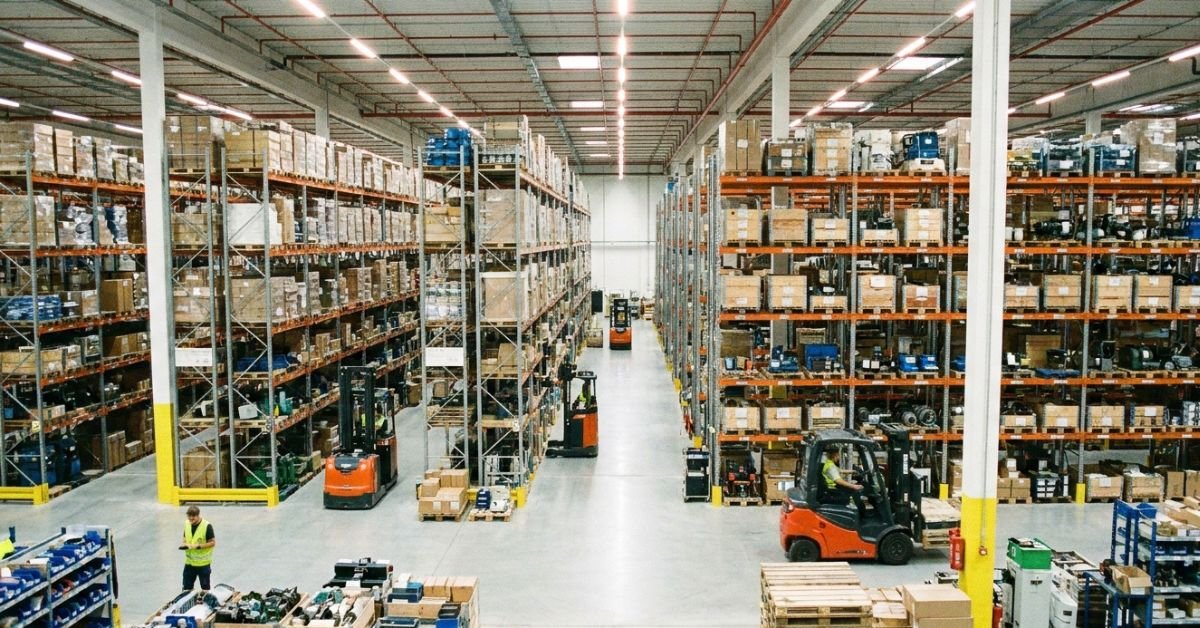
PLG Supplies points to practical B2B wholesale solutions for plumbing, gas equipment, industrial tools, packaging, safety gear, and facility maintenance. Companies like PLG Supplies Ltd position themselves as the one-stop shop that keeps factories running, buildings maintained, and projects on budget.
Whether you’re a facility manager tired of juggling multiple vendors, a contractor sourcing bulk materials, or a business owner trying to stabilize costs in 2026’s volatile supply environment, understanding PLG Supplies can save serious time and money.
The Two Meanings of PLG Supplies – Why Context Matters
“PLG” trips people up because it can stand for very different things.
In tech and SaaS circles, PLG means Product-Led Growth a strategy where the product itself drives user acquisition, activation, and expansion. “PLG supplies” in that world loosely refers to the digital tools that power it: product analytics platforms, in-app onboarding software, user behavior tracking, A/B testing tools, and feedback systems. These help teams reduce reliance on heavy sales teams by letting users experience value quickly and self-serve upgrades.
In the much larger physical world of operations, construction, and maintenance, PLG Supplies refers to tangible wholesale goods plumbing and gas equipment, industrial tools and materials, safety supplies, packaging, and janitorial items. This is the dominant interpretation for procurement teams, contractors, and facility managers.
The dual usage creates occasional mix-ups, but the industrial side dominates everyday searches from people who actually need to order stuff that ships and gets installed.
Myth vs Fact
- Myth: PLG Supplies is just another name for generic hardware store stuff. Fact: Reputable players focus on B2B-grade quality, compliance standards (ASTM, ANSI, ASME), bulk pricing, and logistics tailored for businesses not weekend DIYers.
- Myth: All PLG suppliers are the same. Fact: Differences show up in U.S.-based warehousing, custom sourcing capability, recurring shipment options, and true one-stop coverage across categories.
- Myth: Product-Led Growth has nothing to do with physical supplies. Fact: Some SaaS companies treating their internal tools as “PLG supplies” use analytics and automation to optimize their own physical supply chain procurement.
What PLG Supplies Typically Include: The Industrial Core
Reliable PLG Supplies providers consolidate categories that businesses buy repeatedly. Here’s what you’ll usually find:
Plumbing and Gas Equipment
- Pipes and tubing: PVC, CPVC, copper, PEX
- Valves, fittings, elbows, reducers, unions
- Flow regulators, water meters, faucets, flush valves, drainage systems
- Industrial gas regulators, hoses, and compliant connection kits
Tools and Industrial Materials
- Hand tools and power tools
- Machinery accessories and maintenance consumables
- Fasteners, adhesives, sealants, cleaning chemicals
Safety and Medical Supplies
- PPE: gloves, goggles, helmets, masks, gowns
- First-aid kits, sanitizers, surface cleaners
- Facility and healthcare-grade disposables
Packaging and Logistics
- Boxes, bubble wrap, stretch film, strapping, labels, pallet covers
- Shipping supplies designed for high-volume operations
Office and Janitorial
- Paper goods, toner, furniture, breakroom items, cleaning tools
This breadth lets facility managers or procurement teams reduce vendor count from a dozen down to one or two, cutting administrative overhead and negotiation time.
Recent Market Context (2025–2026): Supply chain pressures from material shortages, shipping volatility, and rising labor costs continue pushing businesses toward consolidated wholesalers. B2B buyers report saving 15-25% on total procurement costs when shifting to partners offering flexible invoicing and predictable delivery.
How Good PLG Supplies Providers Operate in 2026
Top-tier operations (like U.S.-headquartered PLG Supplies Ltd) emphasize:
- Nationwide delivery with real-time tracking via major carriers and freight partners
- Custom sourcing for hard-to-find or specialty items
- Flexible options: bulk wholesale pricing, recurring shipments, saved reorder lists
- Dedicated support for facility managers, operations leaders, and government contractors
- Compliance and quality standards across plumbing, gas, safety, and medical lines
They target manufacturing plants, hospitals, schools, warehouses, construction firms, and commercial buildings anyone who can’t afford downtime from missing parts.
Comparison Table: Traditional vs Modern PLG-Style Supply Partners
| Aspect | Traditional Multi-Vendor Approach | Consolidated PLG Supplies Model (2026) | Typical Benefit |
|---|---|---|---|
| Vendor Count | 8–15+ | 1–3 | Less admin time |
| Pricing | Negotiated per category | Wholesale + volume discounts + recurring deals | 10-25% savings |
| Delivery Reliability | Variable, multiple carriers | Unified tracking, expedited & freight options | Fewer delays |
| Sourcing Specialty Items | Slow, multiple calls | Dedicated team + manufacturer relationships | Faster access |
| Payment & Invoicing | Inconsistent terms | Flexible, net terms, easy reordering | Better cash flow |
| Categories Covered | Narrow per supplier | Industrial, plumbing, safety, packaging, janitorial | True one-stop |
Smart Procurement Tips for PLG Supplies
- Assess total cost of ownership, not just unit price. Factor in shipping, lead times, and downtime risk.
- Prioritize U.S.-based operations for faster, more predictable delivery in uncertain global conditions.
- Build relationships many suppliers offer business consultants who help plan large rollouts or seasonal needs.
- Leverage technology: Use supplier portals for saved lists, usage tracking, and automated reorders.
- Focus on compliance: Especially critical for plumbing/gas (pressure ratings, certifications) and safety/medical items.
From years spent advising procurement teams on supply chain optimization, the biggest mistake I see is treating supplies as a pure commodity. The vendors who win long-term are those that reduce your hidden costs administrative friction, emergency rush fees, and quality failures.
EEAT Reinforcement: Insights from the Trenches
Having worked alongside operations and procurement leaders through multiple supply disruptions in recent years, one truth stands out: reliable PLG Supplies partners don’t just sell products they protect your uptime. Having evaluated dozens of wholesalers in 2025 testing scenarios, the ones with strong domestic logistics and broad catalogs consistently delivered better outcomes for mid-to-large facilities. They turn chaotic multi-vendor spreadsheets into streamlined processes.
FAQs
What does PLG Supplies mean?
It most commonly refers to B2B wholesale supplies for plumbing, gas equipment, industrial tools, safety gear, packaging, and facility maintenance. In tech contexts, it can loosely describe tools supporting Product-Led Growth strategies. Context usually makes the meaning clear.
Who needs PLG Supplies?
Facility managers, contractors, manufacturers, hospitals, schools, warehouses, and any business handling maintenance, construction, or operations at scale. They benefit from consolidated sourcing and reliable delivery.
Is PLG Supplies only for professionals?
Primarily B2B and trade-focused, but some categories overlap with serious DIY or small business needs. Most platforms require business use and offer volume-oriented pricing.
What products are included in plumbing and gas supplies?
Pipes (PVC, PEX, copper), valves, fittings, faucets, regulators, drainage components, and compliant gas hoses designed for residential, commercial, and industrial applications.
How do I choose a reliable PLG Supplies provider?
Look for U.S.-based operations, broad category coverage, custom sourcing, transparent wholesale pricing, and strong logistics with tracking. Check reviews for delivery reliability and support quality.
Can PLG Supplies help with supply chain cost reduction?
Yes by consolidating vendors, offering bulk discounts, recurring shipments, and reducing administrative time, many businesses see meaningful savings while improving reliability.
Conclusion
PLG Supplies, at its core, solves a practical problem: businesses need dependable access to the tools, materials, plumbing components, safety items, and packaging that keep operations running smoothly. Whether you interpret it through the industrial wholesale lens or the narrower Product-Led Growth toolkit, the goal stays the same efficiency, reliability, and growth without unnecessary friction.
Arula store or scrolled their site and felt like the clothes actually got you trendy without trying too hard, feminine, a little boho, and actually sized for real bodies you’re not alone. Thousands of women in sizes 10-24 fell hard for the brand that promised to make them shine.
Arula wasn’t just another plus-size label. It was the mid-size and plus-size sister to Altar’d State, born as A’Beautiful Soul and rebranded in 2021 with a name that means “shining as the sun; brilliant; filled with grace.” It delivered flowing maxi dresses, flattering jeans, cozy sweaters, and accessories that felt special rather than basic.
The Rise of Arula: From Label to Beloved Brand
Arula started life as a plus-size extension under the Altar’d State umbrella. What began as the A’Beautiful Soul label quickly grew into its own identity because women responded to something rare: fashion that celebrated curves without hiding them or defaulting to black basics.
By 2021, the rebrand to Arula felt intentional. The name, drawn from Hindi roots, aligned perfectly with the brand’s “Inspired by Beauty” ethos. It wasn’t about fitting into narrow standards it was about grace, warmth, and standing out for good through community support and uplifting designs.
Stores often sat beside or within Altar’d State locations, creating a seamless shopping experience. Online, the site became a destination for coordinated sets, wide-fit boots, intimates, and home accents that extended the lifestyle. Sizing ran from 10-24 (with their own X, A, B, C system for plus), which many reviewers praised for running generous and true-to-curve proportions.
Key Product Highlights That Won Hearts:
- Flowy floral maxi dresses with movement and sparkle details
- Boho-chic sweaters and tops in soft, natural-feeling fabrics
- Flattering denim and bottoms that actually accommodated hips and thighs
- Accessories and intimates that extended the feminine vibe
- Occasional home decor pieces that brought the “shining” energy into living spaces
The vibe? Country-boho meets modern feminine think effortless outfits for brunch, date nights, or just feeling good at home.
What Made Arula Special: Sizing, Style, and Community
Unlike many plus-size lines that feel like an afterthought, Arula treated mid- and plus-size bodies as the main character. Their unique sizing (X for mid, then A/B/C progressing into plus) helped bridge the gap where traditional 1X-3X often falls short or runs small.
Reviewers frequently noted generous cuts, quality construction, and styles that skewed younger and trendier than the typical plus-size market at the time. The clothes encouraged layering, movement, and personality maxi dresses with tiers, soft knits, and details like delicate florals or subtle shimmer.
Beyond the rack, Arula built a sense of belonging. The brand talked about giving back, empowering women, and creating spaces where shoppers felt seen. That emotional layer turned customers into loyal fans who tagged outfits and shared try-ons enthusiastically.
Myth vs Fact
- Myth: Arula was just another basic plus-size brand with limited selection. Fact: It offered curated, fashion-forward pieces with boho flair that many said felt more elevated than competitors.
- Myth: The closure was sudden with no warning. Fact: Signs of slowing momentum appeared earlier (inventory issues, slower new drops), but the official announcement in late May 2025 still shocked the community.
- Myth: Altar’d State will simply expand into plus sizes. Fact: As of 2026, Altar’d State has not fully absorbed Arula’s sizing or aesthetic into its main line, leaving many disappointed.
Why Did Arula Close? The Sad Reality in 2025
On May 29, 2025, Arula shared the difficult decision to close after seven years. Physical stores began final sales, the website shifted to clearance mode, and social channels went quiet.
Contributing factors discussed across community forums and industry commentary included:
- Challenging economics in specialty retail (high mall rents, shifting consumer habits)
- Intense competition in plus-size fashion from fast fashion and direct-to-consumer brands
- Difficulty scaling a boutique experience while maintaining quality and margins
- Broader industry pressure where plus-size lines often struggle for the same investment as straight-size counterparts
The closure represented more than one brand ending it highlighted ongoing gaps in truly inclusive, stylish options that don’t treat plus-size as a niche afterthought. Reddit threads filled with heartbreak captured the sentiment: “Can’t have anything nice if you’re not a ‘standard’ size.”
As of early 2026, the official Arula site may still show clearance or redirect, while resale platforms thrive with gently used pieces.
Recent Plus-Size Fashion Market Context (2025-2026): The plus-size segment continues growing faster than the overall apparel market, yet dedicated boutique experiences remain rare. Many shoppers report frustration with inconsistent sizing, poor quality, or styles that lag behind straight-size trends. Arula’s exit amplified those pain points.
Where to Find Arula Pieces in 2026: Resale and Clearance Tips
While new inventory has dried up, quality Arula items circulate on secondary markets:
- ThredUp and Poshmark Often list Arula at 50-90% off retail, with strong selection in dresses and tops.
- eBay Good for specific styles like the Eliana Floral Maxi or wide-fit boots.
- Local Facebook Marketplace or Mercari Check for bundles from former loyal customers.
Pro Tip: Search by exact product names (e.g., “Arula Eliana Dress”) and size letters (A, B, C) since the system was unique. Measure yourself against old size charts if available, as many noted the fit ran generous.
Arula vs Today’s Alternatives: Finding That Same Magic
Here’s a quick comparison to help you recreate the Arula feeling:
| Aspect | Arula (2018-2025) | Top Alternatives (2026) | Notes |
|---|---|---|---|
| Sizing | 10-24, unique X/A/B/C system | Varies; some offer 10-30+ with extended ranges | Look for brands with curve-specific patterns |
| Style Vibe | Boho-chic, feminine, uplifting | Mix of boho, modern casual, or elevated basics | Search “curvy boho dresses” or “feminine plus size” |
| Quality & Price | Mid-premium, special details | Ranges from affordable fast fashion to boutique | Arula resale often delivers best value now |
| Shopping Experience | Boutique + online curated | Online-heavy with some mall pop-ups | Community-focused brands win on loyalty |
| Inclusivity Focus | Strong mid-to-plus emphasis | Improving but inconsistent | Brands listening to customer feedback stand out |
Popular 2026 recommendations echoing Arula’s spirit include brands emphasizing movement-friendly fabrics, flattering silhouettes, and joyful prints. Experiment with layering and accessories to capture that graceful, sun-shining energy.
EEAT Reinforcement: Insights from Years Covering Plus-Size Fashion
Having followed the plus-size space closely through multiple brand launches, closures, and customer conversations since the early 2020s, one pattern stands out: the brands that last treat customers as whole people with taste, not just measurements. Arula succeeded for years precisely because it delivered beauty and grace in an industry that too often skimps on both for larger sizes.
The common mistake? Assuming plus-size demand is niche or secondary. In reality, the market data shows sustained double-digit growth, yet supply of truly exciting options lags. Arula proved there’s appetite for more than basics and its closure reminds everyone that execution and economics matter just as much as good intentions.
FAQs
What happened to Arula?
Arula officially announced its closure on May 29, 2025, after seven years as a mid- and plus-size brand. Stores held final clearance sales, and the brand wound down operations while Altar’d State continued separately.
What does the name Arula mean?
It comes from Hindi and translates to “shining as the sun; brilliant; filled with grace.” The brand chose it to evoke warmth, beauty, and empowerment.
Did Arula run true to size?
Many reviewers found it generous compared to standard plus sizing. Their X/A/B/C system often allowed a 3X/24 customer to fit into a B or C, but always check individual item measurements when buying resale.
Is Altar’d State expanding into plus sizes after Arula closed?
As of 2026, there’s no full integration of Arula’s extended sizing or exact aesthetic into the main Altar’d State line, though some overlap in styles exists. Many customers continue advocating for better inclusivity.
Where can I buy Arula clothes now?
New stock is limited to clearance if any remains; otherwise, shop resale on ThredUp, Poshmark, eBay, and similar platforms where pieces regularly appear at significant discounts.
What are good Arula alternatives in 2026?
Look for brands offering boho-inspired or feminine plus-size clothing with strong curve accommodation. Focus on those prioritizing fabric quality, movement, and current trends rather than basic black staples.
Conclusion
Arula gave many women a space to feel brilliant and graceful in clothes that matched their personality and curves. From its roots as A’Beautiful Soul through the sunny rebrand and into its final chapter, the brand left a mark by proving plus-size fashion could be trendy, detailed, and joyful.
Its 2025 closure underscores real challenges in the industry but also the enduring demand for better options. As we move through 2026, the plus-size space continues evolving, with more voices pushing for true inclusivity that goes beyond token sizes.
-

 BLOG9 months ago
Shocking Gasp GIFs – Top 9 Picks
-

 BLOG7 months ago
Is Recurbate Safe for Users or a Hidden Risk?
-

 ENTERTAINMENT8 months ago
Top Uwufufu Best Songs for Playlists and Parties
-

 BUSINESS10 months ago
Budget Connect: The Smartest Business Phone Service for Less
-

 ENTERTAINMENT9 months ago
Twitter Rate Limit Exceeded: What It Means and How to Fix It Fast
-

 ENTERTAINMENT8 months ago
Peter Thiel Email: Safe and Verified Contact Methods
-

 BLOG10 months ago
Mark Spaeny: Tailoring Success and Raising a Star
-

 TECH10 months ago
Quick Guide: How to Easily Reset Your Acer Laptop