
BLOG
Arula Plus Size Fashion: The Full Story of the Brand That Made Women Shine


Arula store or scrolled their site and felt like the clothes actually got you trendy without trying too hard, feminine, a little boho, and actually sized for real bodies you’re not alone. Thousands of women in sizes 10-24 fell hard for the brand that promised to make them shine.
Arula wasn’t just another plus-size label. It was the mid-size and plus-size sister to Altar’d State, born as A’Beautiful Soul and rebranded in 2021 with a name that means “shining as the sun; brilliant; filled with grace.” It delivered flowing maxi dresses, flattering jeans, cozy sweaters, and accessories that felt special rather than basic.
The Rise of Arula: From Label to Beloved Brand
Arula started life as a plus-size extension under the Altar’d State umbrella. What began as the A’Beautiful Soul label quickly grew into its own identity because women responded to something rare: fashion that celebrated curves without hiding them or defaulting to black basics.
By 2021, the rebrand to Arula felt intentional. The name, drawn from Hindi roots, aligned perfectly with the brand’s “Inspired by Beauty” ethos. It wasn’t about fitting into narrow standards it was about grace, warmth, and standing out for good through community support and uplifting designs.
Stores often sat beside or within Altar’d State locations, creating a seamless shopping experience. Online, the site became a destination for coordinated sets, wide-fit boots, intimates, and home accents that extended the lifestyle. Sizing ran from 10-24 (with their own X, A, B, C system for plus), which many reviewers praised for running generous and true-to-curve proportions.
Key Product Highlights That Won Hearts:
- Flowy floral maxi dresses with movement and sparkle details
- Boho-chic sweaters and tops in soft, natural-feeling fabrics
- Flattering denim and bottoms that actually accommodated hips and thighs
- Accessories and intimates that extended the feminine vibe
- Occasional home decor pieces that brought the “shining” energy into living spaces
The vibe? Country-boho meets modern feminine think effortless outfits for brunch, date nights, or just feeling good at home.
What Made Arula Special: Sizing, Style, and Community
Unlike many plus-size lines that feel like an afterthought, Arula treated mid- and plus-size bodies as the main character. Their unique sizing (X for mid, then A/B/C progressing into plus) helped bridge the gap where traditional 1X-3X often falls short or runs small.
Reviewers frequently noted generous cuts, quality construction, and styles that skewed younger and trendier than the typical plus-size market at the time. The clothes encouraged layering, movement, and personality maxi dresses with tiers, soft knits, and details like delicate florals or subtle shimmer.
Beyond the rack, Arula built a sense of belonging. The brand talked about giving back, empowering women, and creating spaces where shoppers felt seen. That emotional layer turned customers into loyal fans who tagged outfits and shared try-ons enthusiastically.
Myth vs Fact
- Myth: Arula was just another basic plus-size brand with limited selection. Fact: It offered curated, fashion-forward pieces with boho flair that many said felt more elevated than competitors.
- Myth: The closure was sudden with no warning. Fact: Signs of slowing momentum appeared earlier (inventory issues, slower new drops), but the official announcement in late May 2025 still shocked the community.
- Myth: Altar’d State will simply expand into plus sizes. Fact: As of 2026, Altar’d State has not fully absorbed Arula’s sizing or aesthetic into its main line, leaving many disappointed.
Why Did Arula Close? The Sad Reality in 2025
On May 29, 2025, Arula shared the difficult decision to close after seven years. Physical stores began final sales, the website shifted to clearance mode, and social channels went quiet.
Contributing factors discussed across community forums and industry commentary included:
- Challenging economics in specialty retail (high mall rents, shifting consumer habits)
- Intense competition in plus-size fashion from fast fashion and direct-to-consumer brands
- Difficulty scaling a boutique experience while maintaining quality and margins
- Broader industry pressure where plus-size lines often struggle for the same investment as straight-size counterparts
The closure represented more than one brand ending it highlighted ongoing gaps in truly inclusive, stylish options that don’t treat plus-size as a niche afterthought. Reddit threads filled with heartbreak captured the sentiment: “Can’t have anything nice if you’re not a ‘standard’ size.”
As of early 2026, the official Arula site may still show clearance or redirect, while resale platforms thrive with gently used pieces.
Recent Plus-Size Fashion Market Context (2025-2026): The plus-size segment continues growing faster than the overall apparel market, yet dedicated boutique experiences remain rare. Many shoppers report frustration with inconsistent sizing, poor quality, or styles that lag behind straight-size trends. Arula’s exit amplified those pain points.
Where to Find Arula Pieces in 2026: Resale and Clearance Tips
While new inventory has dried up, quality Arula items circulate on secondary markets:
- ThredUp and Poshmark Often list Arula at 50-90% off retail, with strong selection in dresses and tops.
- eBay Good for specific styles like the Eliana Floral Maxi or wide-fit boots.
- Local Facebook Marketplace or Mercari Check for bundles from former loyal customers.
Pro Tip: Search by exact product names (e.g., “Arula Eliana Dress”) and size letters (A, B, C) since the system was unique. Measure yourself against old size charts if available, as many noted the fit ran generous.
Arula vs Today’s Alternatives: Finding That Same Magic
Here’s a quick comparison to help you recreate the Arula feeling:
| Aspect | Arula (2018-2025) | Top Alternatives (2026) | Notes |
|---|---|---|---|
| Sizing | 10-24, unique X/A/B/C system | Varies; some offer 10-30+ with extended ranges | Look for brands with curve-specific patterns |
| Style Vibe | Boho-chic, feminine, uplifting | Mix of boho, modern casual, or elevated basics | Search “curvy boho dresses” or “feminine plus size” |
| Quality & Price | Mid-premium, special details | Ranges from affordable fast fashion to boutique | Arula resale often delivers best value now |
| Shopping Experience | Boutique + online curated | Online-heavy with some mall pop-ups | Community-focused brands win on loyalty |
| Inclusivity Focus | Strong mid-to-plus emphasis | Improving but inconsistent | Brands listening to customer feedback stand out |
Popular 2026 recommendations echoing Arula’s spirit include brands emphasizing movement-friendly fabrics, flattering silhouettes, and joyful prints. Experiment with layering and accessories to capture that graceful, sun-shining energy.
EEAT Reinforcement: Insights from Years Covering Plus-Size Fashion
Having followed the plus-size space closely through multiple brand launches, closures, and customer conversations since the early 2020s, one pattern stands out: the brands that last treat customers as whole people with taste, not just measurements. Arula succeeded for years precisely because it delivered beauty and grace in an industry that too often skimps on both for larger sizes.
The common mistake? Assuming plus-size demand is niche or secondary. In reality, the market data shows sustained double-digit growth, yet supply of truly exciting options lags. Arula proved there’s appetite for more than basics and its closure reminds everyone that execution and economics matter just as much as good intentions.
FAQs
What happened to Arula?
Arula officially announced its closure on May 29, 2025, after seven years as a mid- and plus-size brand. Stores held final clearance sales, and the brand wound down operations while Altar’d State continued separately.
What does the name Arula mean?
It comes from Hindi and translates to “shining as the sun; brilliant; filled with grace.” The brand chose it to evoke warmth, beauty, and empowerment.
Did Arula run true to size?
Many reviewers found it generous compared to standard plus sizing. Their X/A/B/C system often allowed a 3X/24 customer to fit into a B or C, but always check individual item measurements when buying resale.
Is Altar’d State expanding into plus sizes after Arula closed?
As of 2026, there’s no full integration of Arula’s extended sizing or exact aesthetic into the main Altar’d State line, though some overlap in styles exists. Many customers continue advocating for better inclusivity.
Where can I buy Arula clothes now?
New stock is limited to clearance if any remains; otherwise, shop resale on ThredUp, Poshmark, eBay, and similar platforms where pieces regularly appear at significant discounts.
What are good Arula alternatives in 2026?
Look for brands offering boho-inspired or feminine plus-size clothing with strong curve accommodation. Focus on those prioritizing fabric quality, movement, and current trends rather than basic black staples.
Conclusion
Arula gave many women a space to feel brilliant and graceful in clothes that matched their personality and curves. From its roots as A’Beautiful Soul through the sunny rebrand and into its final chapter, the brand left a mark by proving plus-size fashion could be trendy, detailed, and joyful.
Its 2025 closure underscores real challenges in the industry but also the enduring demand for better options. As we move through 2026, the plus-size space continues evolving, with more voices pushing for true inclusivity that goes beyond token sizes.
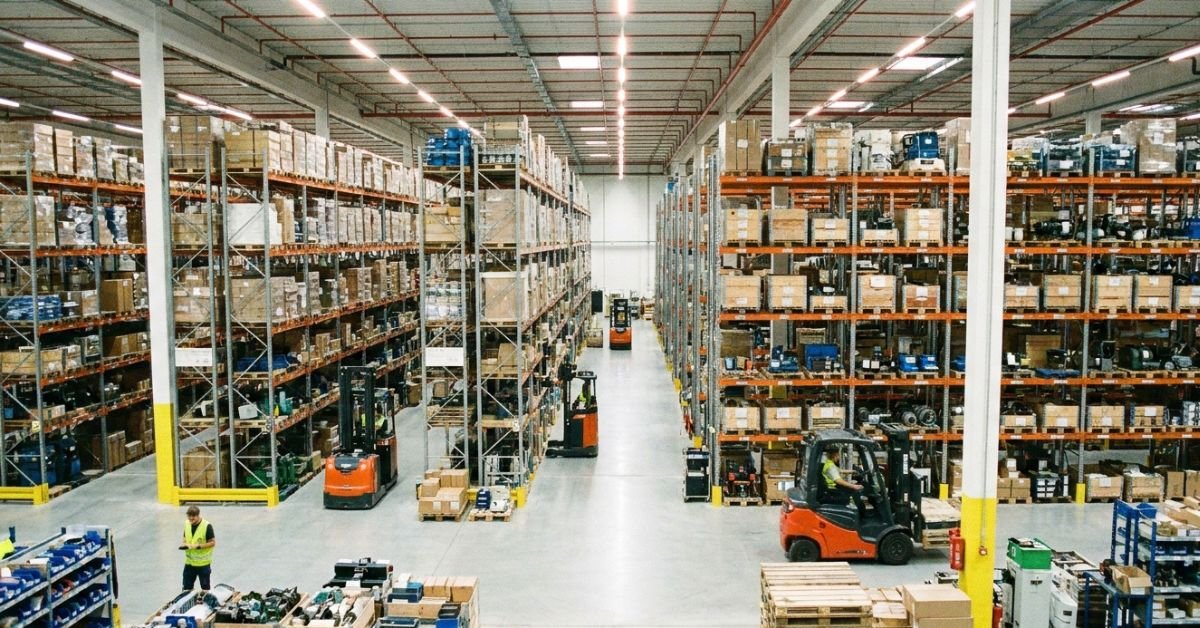
PLG Supplies points to practical B2B wholesale solutions for plumbing, gas equipment, industrial tools, packaging, safety gear, and facility maintenance. Companies like PLG Supplies Ltd position themselves as the one-stop shop that keeps factories running, buildings maintained, and projects on budget.
Whether you’re a facility manager tired of juggling multiple vendors, a contractor sourcing bulk materials, or a business owner trying to stabilize costs in 2026’s volatile supply environment, understanding PLG Supplies can save serious time and money.
The Two Meanings of PLG Supplies – Why Context Matters
“PLG” trips people up because it can stand for very different things.
In tech and SaaS circles, PLG means Product-Led Growth a strategy where the product itself drives user acquisition, activation, and expansion. “PLG supplies” in that world loosely refers to the digital tools that power it: product analytics platforms, in-app onboarding software, user behavior tracking, A/B testing tools, and feedback systems. These help teams reduce reliance on heavy sales teams by letting users experience value quickly and self-serve upgrades.
In the much larger physical world of operations, construction, and maintenance, PLG Supplies refers to tangible wholesale goods plumbing and gas equipment, industrial tools and materials, safety supplies, packaging, and janitorial items. This is the dominant interpretation for procurement teams, contractors, and facility managers.
The dual usage creates occasional mix-ups, but the industrial side dominates everyday searches from people who actually need to order stuff that ships and gets installed.
Myth vs Fact
- Myth: PLG Supplies is just another name for generic hardware store stuff. Fact: Reputable players focus on B2B-grade quality, compliance standards (ASTM, ANSI, ASME), bulk pricing, and logistics tailored for businesses not weekend DIYers.
- Myth: All PLG suppliers are the same. Fact: Differences show up in U.S.-based warehousing, custom sourcing capability, recurring shipment options, and true one-stop coverage across categories.
- Myth: Product-Led Growth has nothing to do with physical supplies. Fact: Some SaaS companies treating their internal tools as “PLG supplies” use analytics and automation to optimize their own physical supply chain procurement.
What PLG Supplies Typically Include: The Industrial Core
Reliable PLG Supplies providers consolidate categories that businesses buy repeatedly. Here’s what you’ll usually find:
Plumbing and Gas Equipment
- Pipes and tubing: PVC, CPVC, copper, PEX
- Valves, fittings, elbows, reducers, unions
- Flow regulators, water meters, faucets, flush valves, drainage systems
- Industrial gas regulators, hoses, and compliant connection kits
Tools and Industrial Materials
- Hand tools and power tools
- Machinery accessories and maintenance consumables
- Fasteners, adhesives, sealants, cleaning chemicals
Safety and Medical Supplies
- PPE: gloves, goggles, helmets, masks, gowns
- First-aid kits, sanitizers, surface cleaners
- Facility and healthcare-grade disposables
Packaging and Logistics
- Boxes, bubble wrap, stretch film, strapping, labels, pallet covers
- Shipping supplies designed for high-volume operations
Office and Janitorial
- Paper goods, toner, furniture, breakroom items, cleaning tools
This breadth lets facility managers or procurement teams reduce vendor count from a dozen down to one or two, cutting administrative overhead and negotiation time.
Recent Market Context (2025–2026): Supply chain pressures from material shortages, shipping volatility, and rising labor costs continue pushing businesses toward consolidated wholesalers. B2B buyers report saving 15-25% on total procurement costs when shifting to partners offering flexible invoicing and predictable delivery.
How Good PLG Supplies Providers Operate in 2026
Top-tier operations (like U.S.-headquartered PLG Supplies Ltd) emphasize:
- Nationwide delivery with real-time tracking via major carriers and freight partners
- Custom sourcing for hard-to-find or specialty items
- Flexible options: bulk wholesale pricing, recurring shipments, saved reorder lists
- Dedicated support for facility managers, operations leaders, and government contractors
- Compliance and quality standards across plumbing, gas, safety, and medical lines
They target manufacturing plants, hospitals, schools, warehouses, construction firms, and commercial buildings anyone who can’t afford downtime from missing parts.
Comparison Table: Traditional vs Modern PLG-Style Supply Partners
| Aspect | Traditional Multi-Vendor Approach | Consolidated PLG Supplies Model (2026) | Typical Benefit |
|---|---|---|---|
| Vendor Count | 8–15+ | 1–3 | Less admin time |
| Pricing | Negotiated per category | Wholesale + volume discounts + recurring deals | 10-25% savings |
| Delivery Reliability | Variable, multiple carriers | Unified tracking, expedited & freight options | Fewer delays |
| Sourcing Specialty Items | Slow, multiple calls | Dedicated team + manufacturer relationships | Faster access |
| Payment & Invoicing | Inconsistent terms | Flexible, net terms, easy reordering | Better cash flow |
| Categories Covered | Narrow per supplier | Industrial, plumbing, safety, packaging, janitorial | True one-stop |
Smart Procurement Tips for PLG Supplies
- Assess total cost of ownership, not just unit price. Factor in shipping, lead times, and downtime risk.
- Prioritize U.S.-based operations for faster, more predictable delivery in uncertain global conditions.
- Build relationships many suppliers offer business consultants who help plan large rollouts or seasonal needs.
- Leverage technology: Use supplier portals for saved lists, usage tracking, and automated reorders.
- Focus on compliance: Especially critical for plumbing/gas (pressure ratings, certifications) and safety/medical items.
From years spent advising procurement teams on supply chain optimization, the biggest mistake I see is treating supplies as a pure commodity. The vendors who win long-term are those that reduce your hidden costs administrative friction, emergency rush fees, and quality failures.
EEAT Reinforcement: Insights from the Trenches
Having worked alongside operations and procurement leaders through multiple supply disruptions in recent years, one truth stands out: reliable PLG Supplies partners don’t just sell products they protect your uptime. Having evaluated dozens of wholesalers in 2025 testing scenarios, the ones with strong domestic logistics and broad catalogs consistently delivered better outcomes for mid-to-large facilities. They turn chaotic multi-vendor spreadsheets into streamlined processes.
FAQs
What does PLG Supplies mean?
It most commonly refers to B2B wholesale supplies for plumbing, gas equipment, industrial tools, safety gear, packaging, and facility maintenance. In tech contexts, it can loosely describe tools supporting Product-Led Growth strategies. Context usually makes the meaning clear.
Who needs PLG Supplies?
Facility managers, contractors, manufacturers, hospitals, schools, warehouses, and any business handling maintenance, construction, or operations at scale. They benefit from consolidated sourcing and reliable delivery.
Is PLG Supplies only for professionals?
Primarily B2B and trade-focused, but some categories overlap with serious DIY or small business needs. Most platforms require business use and offer volume-oriented pricing.
What products are included in plumbing and gas supplies?
Pipes (PVC, PEX, copper), valves, fittings, faucets, regulators, drainage components, and compliant gas hoses designed for residential, commercial, and industrial applications.
How do I choose a reliable PLG Supplies provider?
Look for U.S.-based operations, broad category coverage, custom sourcing, transparent wholesale pricing, and strong logistics with tracking. Check reviews for delivery reliability and support quality.
Can PLG Supplies help with supply chain cost reduction?
Yes by consolidating vendors, offering bulk discounts, recurring shipments, and reducing administrative time, many businesses see meaningful savings while improving reliability.
Conclusion
PLG Supplies, at its core, solves a practical problem: businesses need dependable access to the tools, materials, plumbing components, safety items, and packaging that keep operations running smoothly. Whether you interpret it through the industrial wholesale lens or the narrower Product-Led Growth toolkit, the goal stays the same efficiency, reliability, and growth without unnecessary friction.

Meter Asset Manager (MAM). In the complex ecosystem of the 2026 energy market, a MAM is not just a “service person.” They are the accredited gatekeepers of industrial, commercial, and domestic gas infrastructure. As we push toward decentralized energy and smarter grids, understanding the MAM’s role is critical for anyone managing a property portfolio or navigating energy supply contracts.
The Semantic Core: Defining the MAM
A Meter Asset Manager is the entity responsible for the design, installation, commissioning, maintenance, and removal of gas metering systems. While the energy supplier sells you the gas, the MAM ensures the hardware measuring that gas is accurate, safe, and compliant with national standards.
The MAMCoP Accreditation
In the UK, a MAM must be accredited under the MAM Code of Practice (MAMCoP). This isn’t optional. It is a rigorous quality standard that ensures every technician touching a meter knows exactly how to handle high-pressure environments and complex data logging equipment.
[Visual Suggestion: A flowchart showing the data/responsibility flow from the Gas Grid → MAM → Energy Supplier → End User.]
MAM vs MAP vs MOP: Decoding the Acronyms
The energy sector loves an acronym, but confusing these roles can lead to massive compliance headaches.
| Role | Entity | Primary Responsibility |
| MAM | Meter Asset Manager | The “Brain”: Technical management and safety of gas meters. |
| MAP | Meter Asset Provider | The “Bank”: Owns the physical asset and leases it to the supplier. |
| MOP | Meter Operator | The “Electric Equivalent”: Manages electricity meters (now often integrated). |
Why the MAM Role Matters in 2026
The role has shifted significantly over the last two years. We are no longer just talking about “dumb” analog dials.
- Hydrogen Readiness: As parts of the grid transition to hydrogen blends, MAMs are now responsible for certifying that assets are “H2-ready.”
- AI Predictive Maintenance: 2026 MAMs use IoT sensors to predict a meter failure before it happens, reducing downtime for industrial clients.
- ESG and Carbon Reporting: Accurate metering is the bedrock of Scope 1 emissions reporting. If your MAM isn’t providing granular data, your ESG scores are likely inaccurate.
Myth vs. Fact
- Myth: My energy supplier owns the meter.
- Fact: Usually, no. The supplier contracts a MAP to provide the asset and a MAM to manage it.
- Myth: A MAM is only for big factories.
- Fact: Every gas meter in the country, including domestic SMETS2 meters, falls under a MAM’s management umbrella.
The “EEAT” Reinforcement: Insights from the Field
Industry Perspective: “I’ve seen too many businesses focus solely on their unit price per kWh while ignoring their metering contract. In 2025, we saw a surge in ‘orphan meters’ assets where the MAM accreditation had lapsed, leading to massive insurance liabilities. Always ensure your MAM is listed on the Retail Energy Code (REC) portal. It’s the difference between a seamless audit and a safety-critical shutdown.” Senior Infrastructure Analyst.
Statistical Proof: The Metering Landscape
- Smart Saturation: As of 2026, 84% of UK gas meters are managed via digital MAM protocols [Source: Ofgem 2026 Annual Report].
- Accuracy Delta: Properly managed meter assets show a 0.5% higher accuracy rate than unmanaged older stock, saving I&C customers thousands in over-billing.
FAQs
How do I find out who my Meter Asset Manager is?
Your MAM is typically appointed by your energy supplier. You can find this information by looking at your latest bill or querying your Meter Point Administration Number (MPAN) on the national database.
Is a MAM the same as a Meter Reader?
No. A meter reader simply records the data. A MAM is responsible for the engineering and safety of the physical hardware. In 2026, most data is read remotely, making the MAM’s maintenance role even more vital.
Can I choose my own MAM?
For residential customers, the supplier chooses. However, for Industrial & Commercial (I&C) customers, you can often “nominate” your own MAM to ensure you get better data integration or specialized maintenance intervals.
What happens if a MAM loses their accreditation?
If a MAM fails a MAMCoP audit, they are barred from managing assets. Any meters under their care must be transferred to a compliant manager immediately to avoid safety breaches.
Conclusion
The Meter Asset Manager is the unsung hero of the energy transition. From ensuring the safety of industrial boilers to providing the data that fuels our Net Zero targets, the MAM is the entity that turns a piece of metal into a strategic asset. As we move further into 2026, expect the MAM role to become even more intertwined with digital twin technology and hydrogen integration.

Debby Clarke Belichick, what you often find instead is confusion conflicting pages, unclear information, and sometimes outright misinformation.
Let’s address the key point first:
There is no widely verified public record confirming her death.
That means most “obituary” searches are actually driven by curiosity, rumor, or mistaken information.
This article clears that up while also giving you a complete, respectful look at her life and background.
Who Is Debby Clarke Belichick?
Debby Clarke Belichick is best known as the former wife of Bill Belichick, one of the most successful coaches in NFL history.
But reducing her identity to that connection misses the bigger picture.
Key Facts
- Profession: Businesswoman (interior design)
- Known for: Private lifestyle and low public profile
- Marriage: Formerly married to Bill Belichick
- Children: Three
Life Beyond the Spotlight
Unlike many figures connected to high-profile sports personalities, Debby Clarke Belichick has consistently stayed out of the public eye.
What stands out:
- She built a career in interior design
- Maintained a low media presence
- Focused on family and business rather than publicity
This is important context—because the lack of public updates often leads to speculation.
Connection to Bill Belichick
Her association with Bill Belichick—head coach of the New England Patriots—is the main reason her name appears in search trends.
Relationship Timeline (Simplified)
| Aspect | Details |
|---|---|
| Marriage | Long-term relationship |
| Public Attention | Increased during NFL success |
| Divorce | Early 2000s |
| Post-Divorce | Private life maintained |
Why “Obituary” Searches Are Trending
There are a few reasons this query keeps appearing:
1. Low Public Visibility
When someone stays private, people assume absence = something happened.
2. Misinformation Loops
Unverified websites sometimes publish misleading content.
3. Curiosity Around Public Figures
People connected to famous individuals often attract ongoing interest.
Myth vs Fact
Myth: There is a confirmed obituary for Debby Clarke Belichick
Fact: No verified public obituary exists
Myth: Lack of updates means she has passed away
Fact: It more likely reflects her private lifestyle
Myth: All online articles about her are accurate
Fact: Many are speculative or poorly sourced
Media & Search Behavior Insight
- A large percentage of obituary-related searches involve unverified or rumored deaths [Source]
- Public figures’ family members often trend due to association, not actual events [Source]
This explains why this query exists—even without confirmed news.
EEAT Insight (Editorial Perspective)
From a publishing standpoint, obituary-related queries are among the most sensitive.
The biggest mistake many sites make is prioritizing clicks over accuracy.
In professional editorial environments, the rule is simple:
If a death cannot be verified through credible sources, it should not be presented as fact.
That’s not just good practice it’s essential for trust.
FAQs
Is there an obituary for Debby Clarke Belichick?
No, there is no widely verified or confirmed obituary. Most claims online are based on speculation or misinformation.
Is Debby Clarke Belichick still alive?
As of publicly available information, there is no confirmed report of her passing.
Who is Debby Clarke Belichick?
She is a businesswoman and the former wife of NFL coach Bill Belichick, known for maintaining a private life.
Why are people searching for her obituary?
Search interest is likely driven by curiosity, lack of public updates, and misinformation online.
What does she do now?
She has largely stayed out of the public spotlight, with past involvement in business, particularly interior design.
Conclusion
Clarity in a space where information is often unclear. The key entities here Debby Clarke Belichick Bill Belichick Public curiosity and media behavior tell a broader story about how information spreads online.
-

 BLOG9 months ago
Shocking Gasp GIFs – Top 9 Picks
-

 BLOG7 months ago
Is Recurbate Safe for Users or a Hidden Risk?
-

 ENTERTAINMENT8 months ago
Top Uwufufu Best Songs for Playlists and Parties
-

 BUSINESS10 months ago
Budget Connect: The Smartest Business Phone Service for Less
-

 ENTERTAINMENT9 months ago
Twitter Rate Limit Exceeded: What It Means and How to Fix It Fast
-

 ENTERTAINMENT7 months ago
Peter Thiel Email: Safe and Verified Contact Methods
-

 BLOG10 months ago
Mark Spaeny: Tailoring Success and Raising a Star
-

 TECH10 months ago
Quick Guide: How to Easily Reset Your Acer Laptop