
BLOG
Paddington Bear The Beloved Bear from Peru


Paddington Bear is one of the most beloved fictional characters in children’s literature. A small, polite brown bear with a deep love of marmalade sandwiches and a battered red hat, Paddington has charmed readers and audiences around the world for over six decades. Created by British author Michael Bond, the character first appeared in A Bear Called Paddington, published in 1958.
Bond has described how the character was inspired by a lone teddy bear he spotted on a shelf in a London department store on Christmas Eve, 1956. Imagining the bear to be lost and alone, he bought it as a gift for his wife and soon began writing stories about a small bear who travels from Peru to London and is taken in by a kind English family. The name Paddington came from the famous railway station near Bond’s flat in London.
The Story of Paddington: From Darkest Peru to Windsor Gardens
In the original story, Paddington Bear travels from “Darkest Peru,” where he has been raised by his Aunt Lucy. When Aunt Lucy goes to live in the Home for Retired Bears in Lima, the young bear stows away on a cargo ship bound for England. He is discovered at Paddington Station in London by the Brown family Mr. and Mrs. Brown, and their children Jonathan and Judy who find him sitting on a platform with a tag around his neck that reads: “Please look after this bear. Thank you.”
Moved by his plight, the Browns take him in and give him a home at 32 Windsor Gardens, where his cheerful nature, good manners, and talent for accidentally causing chaos quickly endear him to everyone around him and occasionally drive them to distraction.
Meet the Characters: The Brown Family, Aunt Lucy, and Mr. Gruber
The world of Paddington is populated by a memorable cast of characters. Mr. and Mrs. Brown are warm, sensible, and endlessly patient. Their housekeeper, Mrs. Bird, is a sharp-tongued but deeply caring woman who keeps the household in order and has a particular soft spot for Paddington. The Browns’ neighbour, Mr. Gruber, runs an antique shop on the Portobello Road and becomes one of Paddington’s closest friends, sharing elevenses (a mid-morning snack break) with him most days.
Aunt Lucy herself, though largely absent from the main stories, remains a central figure in Paddington’s life. She wrote the instruction manual for bears traveling to England that Paddington carries with him, and her letters provide him with guidance and connection to his Peruvian roots throughout the series.
Why Is Paddington Bear So Famous?
Paddington’s enduring appeal lies in his combination of unwavering politeness, boundless curiosity, and a certain innocent tendency to find himself in the middle of completely avoidable disasters. He approaches the world with fresh eyes and a generous spirit, and the stories gently but effectively explore themes of kindness, belonging, and the experience of being a stranger in a new culture.
For many readers, Paddington represents the best of what it means to be a newcomer: earnest, grateful, and determined to do right by the people who have taken him in. At the same time, he is never passive. He has a strong sense of justice, and when he feels something is wrong, he is not afraid to act consequences be damned.
Paddington’s Signature Look: The Duffle Coat, Hat, and Wellington Boots
Paddington’s appearance is almost as iconic as his character. He is typically depicted wearing a wide-brimmed red hat, a blue duffle coat, and Wellington boots. His battered old suitcase is another trademark accessory, and he is almost never seen without a marmalade sandwich stashed somewhere about his person often under his hat, for emergencies.
The duffle coat in particular became so associated with the character that it contributed to a broader fashion trend for the garment in the United Kingdom during the 1960s and 1970s.
Paddington’s Love for Marmalade: The Iconic Sandwich and Its Meaning
If there is one thing the world knows about Paddington Bear, it is that he loves marmalade sandwiches. The detail is so central to the character that it has transcended fiction: marmalade sales reportedly increased in the UK following the release of the 2014 Paddington film, and the sandwich has become a cultural shorthand for the character worldwide.
In the stories, the marmalade sandwich is more than just a food preference. It connects Paddington to his Peruvian upbringing (Aunt Lucy introduced him to marmalade), and his habit of keeping a sandwich under his hat for emergencies is both endearing and practical in a very Paddington sort of way.

Paddington in Books, TV, and Film
The Original Books by Michael Bond
Michael Bond wrote a total of fourteen full-length Paddington Bear novels between 1958 and 2017, the year he died. In addition to the novels, he produced numerous short story collections and picture books, many illustrated by Peggy Fortnum, whose distinctive pen-and-ink style defined the visual identity of the character for generations of readers.
The books have been translated into more than forty languages and have sold tens of millions of copies worldwide. Key titles include More About Paddington (1959), Paddington Helps Out (1960), Paddington Abroad (1961), Paddington at Large (1962), and Paddington Takes the Air (1970), among many others.
Paddington on Television: The Classic Animated Series
Long before the feature films, Paddington Bear was introduced to television audiences through a stop-motion animated series produced by FilmFair and broadcast by the BBC. The series, which ran from 1976 to 1980 and was later revived in 1986, featured the voice of Michael Hordern as the narrator and became a beloved fixture of British children’s television.
The animation style using a flat, cut-out technique with simple backgrounds and Paddington rendered as a flat figure against a more three-dimensional world gave the series a charming, distinctive look that is still fondly remembered today.
The Modern Paddington Films (2014 and 2017): Plot, Cast, and Success
A new generation fell in love with Paddington through the CGI live-action films produced by StudioCanal and released in 2014 and 2017. Directed by Paul King, the films reimagined the character for a contemporary audience while staying faithful to the warmth and spirit of Bond’s original stories.
The first film follows Paddington’s arrival in London and his search for a home, while the second involves a stolen pop-up book, a wrongful conviction, and Paddington’s efforts to clear his name from prison. Ben Whishaw provided the voice of Paddington in both films, and the cast included Hugh Bonneville, Sally Hawkins, Nicole Kidman, Julie Walters, and Hugh Grant.
Both films were critically acclaimed and were commercial successes. A third film, Paddington in Peru, was released in 2024, directed by Dougal Wilson. The films are frequently cited as among the finest British family films of the modern era.
Paddington’s Cultural Impact and Legacy
A Bear Who Taught Us About Kindness: Exploring Themes of Acceptance
Paddington Bear has always been, at some level, a story about immigration and acceptance. Bond himself acknowledged that he was partly inspired by images of children being evacuated from British cities during the Second World War children sent away with labels on their coats, hoping strangers would take them in.
The character’s story a foreign visitor who arrives with nothing but his good manners, his suitcase, and his determination to be useful resonates differently depending on the era and the reader, but its central message has remained consistent: kindness to strangers is not a weakness; it is a mark of civilisation.
In an era of considerable debate about migration and belonging in the United Kingdom and beyond, the Paddington films in particular were noted for their gentle but clear articulation of these values.
Paddington Bear Statues and Locations: Finding the Bear in London
For fans visiting London, there are several locations with connections to Paddington Bear worth seeking out. The most obvious is Paddington Station itself, where a bronze statue of the bear sits on a platform near the main concourse. The statue, installed in 2000, is a popular destination for tourists and has become a traditional spot for photographs.
The Paddington Bear Statue at Paddington Station
The statue depicts Paddington in his characteristic pose: suitcase in hand, hat on head, looking slightly quizzical and entirely untroubled by his surroundings. It was created by the sculptor Marcus Cornish and unveiled on 19 May 2000 to mark the opening of the Hammersmith and City Line extension.
A second Paddington Bear statue can be found at Paddington Basin, a few minutes’ walk from the station. There is also a small museum and shop dedicated to the character in the Ladbroke Grove area of West London.
Frequently Asked Questions About Pabington / Paddington Bear
Who created Paddington Bear?
Paddington Bear was created by British author Michael Bond. The character first appeared in A Bear Called Paddington, published in 1958. Bond continued to write Paddington stories until his death in 2017.
Where is Paddington Bear from?
In the stories, Paddington Bear comes from “Darkest Peru,” where he was raised by his Aunt Lucy before making his way to England and eventually settling with the Brown family at 32 Windsor Gardens, London.
Why is Paddington called Paddington?
The character is named after Paddington Station in London, where the Brown family first discovers him sitting alone on a platform when he arrives from Peru.
What films has Paddington appeared in?
Paddington has appeared in three feature films: Paddington (2014), Paddington 2 (2017), and Paddington in Peru (2024). All three were produced by StudioCanal and feature Ben Whishaw as the voice of the bear.
Part Two: Paddington, London The Ultimate Visitor’s Guide
Welcome to Paddington: A Historic Hub in Central London
Paddington is a district in the City of Westminster in central London, situated roughly two miles north-east of Hyde Park and forming one of the main gateway hubs for visitors arriving from Heathrow Airport and the west of England. It is an area of considerable contrasts: Victorian terraces and Georgian squares sit alongside modern commercial developments, and its historic canals connect to a network of waterways that stretches across much of England.
The area takes its name from the old manor of Paddington, which is recorded in the Domesday Book of 1086. For most of its history it was a rural parish outside the boundaries of the city, but the arrival of Brunel’s Great Western Railway in 1838 transformed it into one of the most important transport hubs in Britain.
Paddington Station: Your Gateway to London and Beyond
Paddington Station is one of the great railway termini of London, and one of the most architecturally significant. Designed by Isambard Kingdom Brunel and Matthew Digby Wyatt, the station opened in 1854 and remains an outstanding example of Victorian engineering, its vast iron-and-glass roof spanning platforms that serve destinations across the west of England and Wales.
Today, the station is served by National Rail services to Bristol, Bath, Oxford, Cardiff, Exeter, Plymouth, and Penzance, among many other destinations. It is also a major hub on the London Underground, with services on the Bakerloo, Circle, District, and Hammersmith and City lines. The Elizabeth line, which opened in 2022, has added a direct connection to Reading and Heathrow to the west and to Canary Wharf, Stratford, and Shenfield to the east.
How to Get to Heathrow Airport from Paddington
Paddington offers two options for travellers heading to Heathrow: the Heathrow Express and the Elizabeth line. The Heathrow Express is the fastest option, taking approximately 15 minutes to reach Heathrow Terminal 5 with a stop at Terminals 2 and 3. Services run every 15 minutes and the fare, while higher than other options, includes the convenience of no intermediate stops and guaranteed seating.
The Elizabeth line offers a slower but significantly cheaper alternative, running through central London before heading west to Heathrow. The journey takes around 30 to 40 minutes depending on the terminal. For travellers with more luggage than haste, the Elizabeth line is generally the better value option.
Navigating the London Underground at Paddington
Paddington is one of the most connected stations on the Underground network. The Bakerloo line offers direct services south to Waterloo, Elephant and Castle, and Brixton, and north towards Queen’s Park and Harrow and Wealdstone. The Circle and District lines provide a convenient loop around central and west London, with easy connections to Victoria, South Kensington, and Tower Hill. The Hammersmith and City line connects Paddington to Hammersmith to the west and to King’s Cross, Barbican, and Liverpool Street to the east.
Top Things to Do in Paddington
While Paddington is primarily known as a transport hub, the surrounding area has a surprising amount to offer visitors who are willing to venture beyond the station concourse.
Walk the Canals: Little Venice and Merchant Square
One of the most unexpected and rewarding aspects of Paddington is its canal network. Just a ten-minute walk from the station, Little Venice is a picturesque junction where the Grand Union Canal meets the Regent’s Canal. The area is characterised by attractive canal boats, weeping willow trees, and a peaceful atmosphere that feels entirely removed from the bustle of the nearby main roads.
Little Venice is also the starting point for narrowboat trips along the canal towards Camden Market and beyond. The journey passes through Regent’s Park and offers a distinctive and leisurely way to see parts of north London that most tourists never encounter.
See the Fan Bridge in Action
At Merchant Square, a short walk from Paddington Basin, stands one of London’s more unusual pieces of public engineering: the Fan Bridge. Designed by Thomas Heatherwick Studio, the bridge fans open like the fingers of a hand to allow tall boats to pass through, then closes again flat for pedestrians. It operates on a timetable during warmer months and is well worth timing a visit around.
Paddington Basin and Paddington Central: Shops, Places to Eat, and the Amphitheatre
Paddington Basin is a regenerated canalside development immediately to the north-east of the station. It has been transformed over the past two decades from a neglected stretch of industrial waterway into an attractive pedestrian environment with restaurants, coffee shops, office buildings, and a floating amphitheatre used for outdoor events in summer.
Paddington Central, a short walk further along the canal, is a larger office and retail development with additional dining options. The combination of the two developments makes for a pleasant hour or two of walking, eating, and watching the canal life.
Paddington Green and St Mary’s Church
Paddington Green is the historic heart of the old village of Paddington, and it retains something of that older character amidst its modern surroundings. St Mary’s Church on Paddington Green dates from the 18th century and is one of the few surviving buildings that predate the Victorian transformation of the area. The churchyard contains the graves of several notable Londoners, including the actress Sarah Siddons, and the green itself is a pleasant spot for a brief rest.
Where to Stay in Paddington
Paddington’s excellent transport connections make it a practical base for exploring London, and the area has a wide range of accommodation options at various price points.
Luxury Hotels Near the Station
At the top of the market, Paddington and the immediately adjacent areas of Hyde Park and Bayswater offer some of London’s finest hotels. The Hilton London Paddington occupies a commanding position adjacent to the station itself, offering easy access for early departures and late arrivals. The Hyde Park area to the south, reachable on foot in fifteen minutes, has a concentration of luxury and five-star properties including options overlooking the park itself.
Budget-Friendly Accommodation and B&Bs
For those travelling on a tighter budget, the streets around Sussex Gardens and Norfolk Square a short walk south of the station are lined with bed-and-breakfast establishments and budget hotels that have served travellers arriving at Paddington for well over a century. Standards vary, but the concentration of options means there is usually something available at short notice and competitive prices.
Where to Eat and Drink in Paddington
Best Pubs in Paddington
Paddington has several good traditional pubs. The Victoria, located on Strathearn Place, is a classic London pub with a strong selection of ales and a welcoming atmosphere. The Mad Bishop and Bear, located within Paddington Station itself above the main concourse, is a Fuller’s pub that offers a convenient option for travellers waiting for trains.
Restaurants for Every Taste
The Praed Street area and the streets running north from the station offer a diverse range of dining options reflecting the multicultural character of Paddington and the surrounding neighbourhoods. From Lebanese and Middle Eastern restaurants to Italian trattorias and modern British brasseries, the area can cater to most tastes and budgets. Paddington Basin has a growing number of more upscale casual dining options with canalside seating available in warmer weather.
A Short History of Paddington
The name Paddington first appears in records from the ninth century, when the area was known as Padintun, meaning the settlement of a man called Padda. For most of its history, it remained a small rural manor and later a parish on the western fringes of London, largely agricultural in character and separated from the main city by open fields.
The arrival of the Great Western Railway in 1838 changed everything. The station brought industry, workers, and visitors in enormous numbers, and the area was rapidly built over with the terraced streets and mansion blocks that characterise it today. The completion of the canal network in the early 19th century had already begun this process of transformation, connecting Paddington to the industrial heartland of England.
By the later Victorian period, Paddington had become a densely populated urban district, home to a rich mix of residents including working-class families in the streets north of the station and a more affluent population in the squares and terraces closer to Hyde Park. The 20th century brought further waves of change, including significant immigration from the Caribbean in the 1950s and 1960s, which shaped the character of nearby Notting Hill and left a lasting imprint on the culture of the wider area.
Frequently Asked Questions About Visiting Paddington
Is Paddington a nice area to stay in London?
Paddington is a perfectly pleasant and practical area for visitors, particularly those who value good transport connections above other considerations. It is not as glamorous as Mayfair or as characterful as Notting Hill, but it is central, well-connected, and has more to offer in terms of canals, green spaces, and dining than its reputation as a transit hub might suggest.
What zone is Paddington Station in?
Paddington Station is in Zone 1 of the London Underground fare zones. This means that journeys from Paddington to most central London destinations are covered by Zone 1 pricing, which is the standard rate for travel within the city centre.
How far is Paddington from Oxford Street?
Oxford Street, London’s main shopping thoroughfare, is approximately 1.5 miles from Paddington Station. The journey by Underground takes around ten minutes on the Bakerloo line to Bond Street, or it is walkable in around twenty to twenty-five minutes via the Edgware Road or Sussex Gardens.

Most founders chase VC checks before they have a product that actually sells. The result? Diluted equity, lost control, and pressure to grow at any cost. A startup bootstrapped fundraising strategy flips that script: you build real revenue and customer validation first, then approach capital from a position of strength.
In 2026, with tighter venture markets and higher scrutiny on unit economics, this hybrid approach bootstrap aggressively, then raise strategically has become the sharper path for many founders. It’s not anti-funding; it’s anti-naive funding. You prove the business works with your own resources (or minimal non-dilutive ones), hit meaningful traction, and only then decide if, when, and on what terms external money makes sense.
What “Bootstrapped” Actually Means in 2026
Bootstrapping is funding and growing your startup primarily through personal savings, early revenue, reinvested profits, sweat equity, and creative non-dilutive sources rather than relying on venture capital or heavy equity raises from day one.
It’s not about never raising money. Many of the strongest “bootstrapped” stories eventually take smart capital after proving product-market fit. Think of it as a revenue-first discipline that forces customer obsession and capital efficiency.
Core entities and concepts:
- Revenue as primary fuel Customer payments validate demand and fund iteration.
- Product-market fit (PMF) before scale.
- Cash runway and burn rate discipline.
- Equity preservation and founder control.
- Hybrid models “Seed strapping” (one early seed round then bootstrap to profitability) or revenue-based financing (RBF).
Related terms that signal depth: bootstrapping vs VC, self-funded startup, customer-funded growth, non-dilutive capital, pre-seed bootstrapping, profitable SaaS, lean startup methodology, unit economics, churn reduction, MRR/ARR growth.
Pros and Cons: Bootstrapping vs Traditional Fundraising
Neither path is inherently superior it depends on your market, business model, and ambitions.
Bootstrapping Advantages:
- Full (or near-full) ownership and decision-making control.
- Forced focus on real customers and profitable unit economics.
- Higher survival rates and often faster path to profitability.
- Stronger negotiation position if/when you do raise: better valuation, better terms, less dilution.
- Builds operational discipline and creativity under constraints.
Bootstrapping Challenges:
- Slower growth in capital-intensive or winner-take-all markets.
- Personal financial risk (savings, credit, opportunity cost).
- Limited resources for talent, marketing, or rapid experimentation.
- Harder to pivot dramatically without runway.
Venture Capital Advantages:
- Fuel for hyper-growth, market capture, and hiring top talent.
- Networks, mentorship, and credibility signals.
- Shared risk.
VC Drawbacks:
- Equity dilution (often significant across rounds).
- Pressure for 10x+ returns and aggressive timelines.
- Loss of control (board seats, reporting requirements).
- Fundraising itself becomes a major time sink.
Quick Comparison Table:
| Aspect | Bootstrapped Approach | VC-Funded Approach |
|---|---|---|
| Ownership | High (founders retain majority longer) | Lower (dilution per round) |
| Growth Speed | Sustainable, customer-paced | Accelerated, market-share focused |
| Control | High | Reduced (investor influence) |
| Risk | Personal/founder-heavy | Shared |
| Best For | Service, SaaS, niche B2B, content, e-commerce with early cash flow | Hardware, biotech, marketplace, consumer apps needing network effects |
| Valuation Leverage | Stronger when raising later | Set early, often lower without traction |
Many successful companies use a hybrid: bootstrap to initial traction, raise strategically for acceleration, or stay bootstrapped indefinitely if the model supports it.
Proven Bootstrapping Tactics: How to Fund Growth Without (Much) Equity Dilution
- Maximize Personal & Sweat Equity Use savings wisely, keep overhead brutally low (remote, co-working, open-source tools), and trade time/skills for progress.
- Early Revenue Engines Launch an MVP fast and charge for it. Pre-sales, waitlists with deposits, consulting/freelancing to fund the core product, or service-to-product transition.
- Non-Dilutive & Creative Sources:
- Friends & family (structured carefully).
- Revenue-based financing (RBF) once you have recurring revenue.
- Crowdfunding (product validation + capital).
- Grants, government programs, or industry-specific incentives.
- Bartering services or strategic partnerships.
- Credit cards/loans only with clear repayment plans.
- Operational Leanness Automate early, outsource non-core, focus on high-margin offerings, obsess over retention and expansion revenue to compound cash flow.
- Metrics That Matter Track MRR/ARR growth, customer acquisition cost (CAC), lifetime value (LTV), payback period, gross margin, and runway months religiously. Positive cash flow changes everything.
Myth vs Fact
- Myth: Bootstrapping means slow death and tiny outcomes. Fact: Many unicorns and quiet multi-million exits started bootstrapped and raised later from strength (or never needed heavy VC).
- Myth: You can’t scale without VC. Fact: Vertical SaaS, content businesses, and service hybrids often scale profitably without it.
- Myth: Investors only back pre-revenue ideas. Fact: Traction dramatically improves terms; bootstrapped progress signals real execution ability.
Real-World Examples and Statistical Context
Classic bootstrapped-to-success stories include Mailchimp (sold for ~$12B after years of profitability), Basecamp, Zoho, and Plenty of Fish. More recent or hybrid paths: ServiceNow bootstrapped early customer acquisition before raising; Grammarly reached massive scale and profitability before its first big round.
In tougher 2025-2026 funding environments, bootstrapped or lightly funded companies have shown resilience higher five-year survival rates and better profitability odds in several analyses. Bootstrapping forces capital efficiency that many VC-backed firms only learn after burning through rounds.
Recent Stat Snapshot (2025-2026 context): Many SaaS founders report reaching $10K–$50K+ MRR while still largely bootstrapped, using tools like no-code/low-code and AI to reduce development costs dramatically. Companies that bootstrap to meaningful revenue often command 2-5x better valuations when they eventually raise.
When to Transition: The Smart Bootstrapped Fundraising Strategy
Bootstrap as long as possible ideally until you have:
- Clear product-market fit (retention, organic growth, or sales cycles shortening).
- Consistent revenue growth and healthy unit economics.
- A defensible moat or repeatable go-to-market.
- A specific use of capital that justifies dilution (e.g., team expansion, marketing in competitive markets, or infrastructure).
Signs it’s time to raise:
- Market opportunity demands speed you can’t match with cash flow alone.
- You have inbound investor interest after traction.
- You want to hire senior talent or acquire complementary assets.
Approach fundraising with leverage: your numbers tell the story. Investors respect founders who have already de-risked the basics. Aim for “seed strapping” or targeted rounds rather than raising just to survive.
The trenches (veteran insight): After advising and watching dozens of early-stage teams, the biggest mistake is raising too early on weak traction. The second is never raising when the math clearly supports acceleration. Test assumptions with revenue first. The founders who treat capital as a tool not oxygen build more durable companies and often better personal outcomes.
FAQs
What is a startup bootstrapped fundraising strategy?
It’s a deliberate approach: prioritize building and validating your business with internal resources and customer revenue, then selectively raise external capital on favorable terms once you’ve proven traction. It combines the discipline of bootstrapping with the optionality of smart fundraising.
Is bootstrapping better than raising VC?
It depends. Bootstrapping excels for control, discipline, and sustainable businesses. VC shines when speed and capital intensity are critical. Many winners use both sequentially bootstrap to traction, raise to scale.
How do bootstrapped startups actually make money early on?
Through MVPs, pre-sales, consulting that funds product development, high-margin services, or niche products sold to early adopters willing to pay for solutions.
Can you raise money after bootstrapping?
Absolutely and usually on much better terms. Demonstrable revenue, customers, and efficient growth make you a lower-risk, higher-valuation opportunity for investors.
What are the biggest risks of staying fully bootstrapped?
Opportunity cost (missing market windows), personal burnout or financial strain, and difficulty attracting top talent without competitive compensation or equity upside.
How long should you bootstrap before considering funding?
Until you have repeatable sales, strong retention, and a clear plan for what capital would unlock. There’s no universal timeline some do it for years, others for 6-18 months.
Conclusion
A strong startup bootstrapped fundraising strategy isn’t about rejecting capital it’s about earning the right to use it wisely. By focusing on revenue, customer validation, and operational grit first, you build a company with real substance, retain more ownership, and position yourself to raise (or not) on your own timeline.
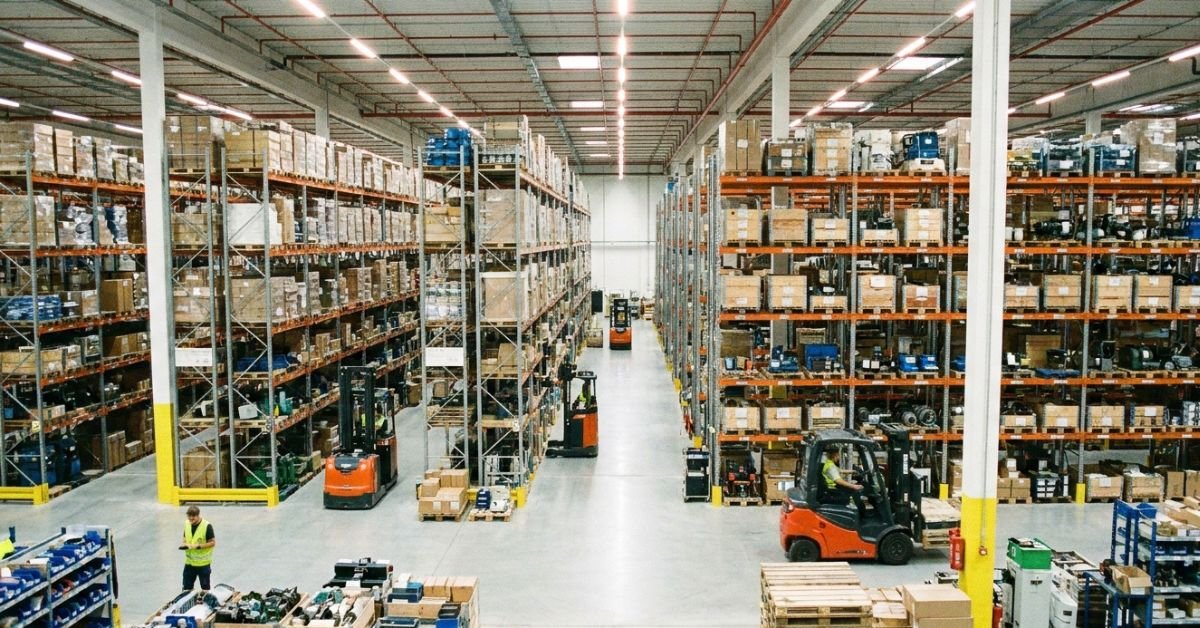
PLG Supplies points to practical B2B wholesale solutions for plumbing, gas equipment, industrial tools, packaging, safety gear, and facility maintenance. Companies like PLG Supplies Ltd position themselves as the one-stop shop that keeps factories running, buildings maintained, and projects on budget.
Whether you’re a facility manager tired of juggling multiple vendors, a contractor sourcing bulk materials, or a business owner trying to stabilize costs in 2026’s volatile supply environment, understanding PLG Supplies can save serious time and money.
The Two Meanings of PLG Supplies – Why Context Matters
“PLG” trips people up because it can stand for very different things.
In tech and SaaS circles, PLG means Product-Led Growth a strategy where the product itself drives user acquisition, activation, and expansion. “PLG supplies” in that world loosely refers to the digital tools that power it: product analytics platforms, in-app onboarding software, user behavior tracking, A/B testing tools, and feedback systems. These help teams reduce reliance on heavy sales teams by letting users experience value quickly and self-serve upgrades.
In the much larger physical world of operations, construction, and maintenance, PLG Supplies refers to tangible wholesale goods plumbing and gas equipment, industrial tools and materials, safety supplies, packaging, and janitorial items. This is the dominant interpretation for procurement teams, contractors, and facility managers.
The dual usage creates occasional mix-ups, but the industrial side dominates everyday searches from people who actually need to order stuff that ships and gets installed.
Myth vs Fact
- Myth: PLG Supplies is just another name for generic hardware store stuff. Fact: Reputable players focus on B2B-grade quality, compliance standards (ASTM, ANSI, ASME), bulk pricing, and logistics tailored for businesses not weekend DIYers.
- Myth: All PLG suppliers are the same. Fact: Differences show up in U.S.-based warehousing, custom sourcing capability, recurring shipment options, and true one-stop coverage across categories.
- Myth: Product-Led Growth has nothing to do with physical supplies. Fact: Some SaaS companies treating their internal tools as “PLG supplies” use analytics and automation to optimize their own physical supply chain procurement.
What PLG Supplies Typically Include: The Industrial Core
Reliable PLG Supplies providers consolidate categories that businesses buy repeatedly. Here’s what you’ll usually find:
Plumbing and Gas Equipment
- Pipes and tubing: PVC, CPVC, copper, PEX
- Valves, fittings, elbows, reducers, unions
- Flow regulators, water meters, faucets, flush valves, drainage systems
- Industrial gas regulators, hoses, and compliant connection kits
Tools and Industrial Materials
- Hand tools and power tools
- Machinery accessories and maintenance consumables
- Fasteners, adhesives, sealants, cleaning chemicals
Safety and Medical Supplies
- PPE: gloves, goggles, helmets, masks, gowns
- First-aid kits, sanitizers, surface cleaners
- Facility and healthcare-grade disposables
Packaging and Logistics
- Boxes, bubble wrap, stretch film, strapping, labels, pallet covers
- Shipping supplies designed for high-volume operations
Office and Janitorial
- Paper goods, toner, furniture, breakroom items, cleaning tools
This breadth lets facility managers or procurement teams reduce vendor count from a dozen down to one or two, cutting administrative overhead and negotiation time.
Recent Market Context (2025–2026): Supply chain pressures from material shortages, shipping volatility, and rising labor costs continue pushing businesses toward consolidated wholesalers. B2B buyers report saving 15-25% on total procurement costs when shifting to partners offering flexible invoicing and predictable delivery.
How Good PLG Supplies Providers Operate in 2026
Top-tier operations (like U.S.-headquartered PLG Supplies Ltd) emphasize:
- Nationwide delivery with real-time tracking via major carriers and freight partners
- Custom sourcing for hard-to-find or specialty items
- Flexible options: bulk wholesale pricing, recurring shipments, saved reorder lists
- Dedicated support for facility managers, operations leaders, and government contractors
- Compliance and quality standards across plumbing, gas, safety, and medical lines
They target manufacturing plants, hospitals, schools, warehouses, construction firms, and commercial buildings anyone who can’t afford downtime from missing parts.
Comparison Table: Traditional vs Modern PLG-Style Supply Partners
| Aspect | Traditional Multi-Vendor Approach | Consolidated PLG Supplies Model (2026) | Typical Benefit |
|---|---|---|---|
| Vendor Count | 8–15+ | 1–3 | Less admin time |
| Pricing | Negotiated per category | Wholesale + volume discounts + recurring deals | 10-25% savings |
| Delivery Reliability | Variable, multiple carriers | Unified tracking, expedited & freight options | Fewer delays |
| Sourcing Specialty Items | Slow, multiple calls | Dedicated team + manufacturer relationships | Faster access |
| Payment & Invoicing | Inconsistent terms | Flexible, net terms, easy reordering | Better cash flow |
| Categories Covered | Narrow per supplier | Industrial, plumbing, safety, packaging, janitorial | True one-stop |
Smart Procurement Tips for PLG Supplies
- Assess total cost of ownership, not just unit price. Factor in shipping, lead times, and downtime risk.
- Prioritize U.S.-based operations for faster, more predictable delivery in uncertain global conditions.
- Build relationships many suppliers offer business consultants who help plan large rollouts or seasonal needs.
- Leverage technology: Use supplier portals for saved lists, usage tracking, and automated reorders.
- Focus on compliance: Especially critical for plumbing/gas (pressure ratings, certifications) and safety/medical items.
From years spent advising procurement teams on supply chain optimization, the biggest mistake I see is treating supplies as a pure commodity. The vendors who win long-term are those that reduce your hidden costs administrative friction, emergency rush fees, and quality failures.
EEAT Reinforcement: Insights from the Trenches
Having worked alongside operations and procurement leaders through multiple supply disruptions in recent years, one truth stands out: reliable PLG Supplies partners don’t just sell products they protect your uptime. Having evaluated dozens of wholesalers in 2025 testing scenarios, the ones with strong domestic logistics and broad catalogs consistently delivered better outcomes for mid-to-large facilities. They turn chaotic multi-vendor spreadsheets into streamlined processes.
FAQs
What does PLG Supplies mean?
It most commonly refers to B2B wholesale supplies for plumbing, gas equipment, industrial tools, safety gear, packaging, and facility maintenance. In tech contexts, it can loosely describe tools supporting Product-Led Growth strategies. Context usually makes the meaning clear.
Who needs PLG Supplies?
Facility managers, contractors, manufacturers, hospitals, schools, warehouses, and any business handling maintenance, construction, or operations at scale. They benefit from consolidated sourcing and reliable delivery.
Is PLG Supplies only for professionals?
Primarily B2B and trade-focused, but some categories overlap with serious DIY or small business needs. Most platforms require business use and offer volume-oriented pricing.
What products are included in plumbing and gas supplies?
Pipes (PVC, PEX, copper), valves, fittings, faucets, regulators, drainage components, and compliant gas hoses designed for residential, commercial, and industrial applications.
How do I choose a reliable PLG Supplies provider?
Look for U.S.-based operations, broad category coverage, custom sourcing, transparent wholesale pricing, and strong logistics with tracking. Check reviews for delivery reliability and support quality.
Can PLG Supplies help with supply chain cost reduction?
Yes by consolidating vendors, offering bulk discounts, recurring shipments, and reducing administrative time, many businesses see meaningful savings while improving reliability.
Conclusion
PLG Supplies, at its core, solves a practical problem: businesses need dependable access to the tools, materials, plumbing components, safety items, and packaging that keep operations running smoothly. Whether you interpret it through the industrial wholesale lens or the narrower Product-Led Growth toolkit, the goal stays the same efficiency, reliability, and growth without unnecessary friction.

Arula store or scrolled their site and felt like the clothes actually got you trendy without trying too hard, feminine, a little boho, and actually sized for real bodies you’re not alone. Thousands of women in sizes 10-24 fell hard for the brand that promised to make them shine.
Arula wasn’t just another plus-size label. It was the mid-size and plus-size sister to Altar’d State, born as A’Beautiful Soul and rebranded in 2021 with a name that means “shining as the sun; brilliant; filled with grace.” It delivered flowing maxi dresses, flattering jeans, cozy sweaters, and accessories that felt special rather than basic.
The Rise of Arula: From Label to Beloved Brand
Arula started life as a plus-size extension under the Altar’d State umbrella. What began as the A’Beautiful Soul label quickly grew into its own identity because women responded to something rare: fashion that celebrated curves without hiding them or defaulting to black basics.
By 2021, the rebrand to Arula felt intentional. The name, drawn from Hindi roots, aligned perfectly with the brand’s “Inspired by Beauty” ethos. It wasn’t about fitting into narrow standards it was about grace, warmth, and standing out for good through community support and uplifting designs.
Stores often sat beside or within Altar’d State locations, creating a seamless shopping experience. Online, the site became a destination for coordinated sets, wide-fit boots, intimates, and home accents that extended the lifestyle. Sizing ran from 10-24 (with their own X, A, B, C system for plus), which many reviewers praised for running generous and true-to-curve proportions.
Key Product Highlights That Won Hearts:
- Flowy floral maxi dresses with movement and sparkle details
- Boho-chic sweaters and tops in soft, natural-feeling fabrics
- Flattering denim and bottoms that actually accommodated hips and thighs
- Accessories and intimates that extended the feminine vibe
- Occasional home decor pieces that brought the “shining” energy into living spaces
The vibe? Country-boho meets modern feminine think effortless outfits for brunch, date nights, or just feeling good at home.
What Made Arula Special: Sizing, Style, and Community
Unlike many plus-size lines that feel like an afterthought, Arula treated mid- and plus-size bodies as the main character. Their unique sizing (X for mid, then A/B/C progressing into plus) helped bridge the gap where traditional 1X-3X often falls short or runs small.
Reviewers frequently noted generous cuts, quality construction, and styles that skewed younger and trendier than the typical plus-size market at the time. The clothes encouraged layering, movement, and personality maxi dresses with tiers, soft knits, and details like delicate florals or subtle shimmer.
Beyond the rack, Arula built a sense of belonging. The brand talked about giving back, empowering women, and creating spaces where shoppers felt seen. That emotional layer turned customers into loyal fans who tagged outfits and shared try-ons enthusiastically.
Myth vs Fact
- Myth: Arula was just another basic plus-size brand with limited selection. Fact: It offered curated, fashion-forward pieces with boho flair that many said felt more elevated than competitors.
- Myth: The closure was sudden with no warning. Fact: Signs of slowing momentum appeared earlier (inventory issues, slower new drops), but the official announcement in late May 2025 still shocked the community.
- Myth: Altar’d State will simply expand into plus sizes. Fact: As of 2026, Altar’d State has not fully absorbed Arula’s sizing or aesthetic into its main line, leaving many disappointed.
Why Did Arula Close? The Sad Reality in 2025
On May 29, 2025, Arula shared the difficult decision to close after seven years. Physical stores began final sales, the website shifted to clearance mode, and social channels went quiet.
Contributing factors discussed across community forums and industry commentary included:
- Challenging economics in specialty retail (high mall rents, shifting consumer habits)
- Intense competition in plus-size fashion from fast fashion and direct-to-consumer brands
- Difficulty scaling a boutique experience while maintaining quality and margins
- Broader industry pressure where plus-size lines often struggle for the same investment as straight-size counterparts
The closure represented more than one brand ending it highlighted ongoing gaps in truly inclusive, stylish options that don’t treat plus-size as a niche afterthought. Reddit threads filled with heartbreak captured the sentiment: “Can’t have anything nice if you’re not a ‘standard’ size.”
As of early 2026, the official Arula site may still show clearance or redirect, while resale platforms thrive with gently used pieces.
Recent Plus-Size Fashion Market Context (2025-2026): The plus-size segment continues growing faster than the overall apparel market, yet dedicated boutique experiences remain rare. Many shoppers report frustration with inconsistent sizing, poor quality, or styles that lag behind straight-size trends. Arula’s exit amplified those pain points.
Where to Find Arula Pieces in 2026: Resale and Clearance Tips
While new inventory has dried up, quality Arula items circulate on secondary markets:
- ThredUp and Poshmark Often list Arula at 50-90% off retail, with strong selection in dresses and tops.
- eBay Good for specific styles like the Eliana Floral Maxi or wide-fit boots.
- Local Facebook Marketplace or Mercari Check for bundles from former loyal customers.
Pro Tip: Search by exact product names (e.g., “Arula Eliana Dress”) and size letters (A, B, C) since the system was unique. Measure yourself against old size charts if available, as many noted the fit ran generous.
Arula vs Today’s Alternatives: Finding That Same Magic
Here’s a quick comparison to help you recreate the Arula feeling:
| Aspect | Arula (2018-2025) | Top Alternatives (2026) | Notes |
|---|---|---|---|
| Sizing | 10-24, unique X/A/B/C system | Varies; some offer 10-30+ with extended ranges | Look for brands with curve-specific patterns |
| Style Vibe | Boho-chic, feminine, uplifting | Mix of boho, modern casual, or elevated basics | Search “curvy boho dresses” or “feminine plus size” |
| Quality & Price | Mid-premium, special details | Ranges from affordable fast fashion to boutique | Arula resale often delivers best value now |
| Shopping Experience | Boutique + online curated | Online-heavy with some mall pop-ups | Community-focused brands win on loyalty |
| Inclusivity Focus | Strong mid-to-plus emphasis | Improving but inconsistent | Brands listening to customer feedback stand out |
Popular 2026 recommendations echoing Arula’s spirit include brands emphasizing movement-friendly fabrics, flattering silhouettes, and joyful prints. Experiment with layering and accessories to capture that graceful, sun-shining energy.
EEAT Reinforcement: Insights from Years Covering Plus-Size Fashion
Having followed the plus-size space closely through multiple brand launches, closures, and customer conversations since the early 2020s, one pattern stands out: the brands that last treat customers as whole people with taste, not just measurements. Arula succeeded for years precisely because it delivered beauty and grace in an industry that too often skimps on both for larger sizes.
The common mistake? Assuming plus-size demand is niche or secondary. In reality, the market data shows sustained double-digit growth, yet supply of truly exciting options lags. Arula proved there’s appetite for more than basics and its closure reminds everyone that execution and economics matter just as much as good intentions.
FAQs
What happened to Arula?
Arula officially announced its closure on May 29, 2025, after seven years as a mid- and plus-size brand. Stores held final clearance sales, and the brand wound down operations while Altar’d State continued separately.
What does the name Arula mean?
It comes from Hindi and translates to “shining as the sun; brilliant; filled with grace.” The brand chose it to evoke warmth, beauty, and empowerment.
Did Arula run true to size?
Many reviewers found it generous compared to standard plus sizing. Their X/A/B/C system often allowed a 3X/24 customer to fit into a B or C, but always check individual item measurements when buying resale.
Is Altar’d State expanding into plus sizes after Arula closed?
As of 2026, there’s no full integration of Arula’s extended sizing or exact aesthetic into the main Altar’d State line, though some overlap in styles exists. Many customers continue advocating for better inclusivity.
Where can I buy Arula clothes now?
New stock is limited to clearance if any remains; otherwise, shop resale on ThredUp, Poshmark, eBay, and similar platforms where pieces regularly appear at significant discounts.
What are good Arula alternatives in 2026?
Look for brands offering boho-inspired or feminine plus-size clothing with strong curve accommodation. Focus on those prioritizing fabric quality, movement, and current trends rather than basic black staples.
Conclusion
Arula gave many women a space to feel brilliant and graceful in clothes that matched their personality and curves. From its roots as A’Beautiful Soul through the sunny rebrand and into its final chapter, the brand left a mark by proving plus-size fashion could be trendy, detailed, and joyful.
Its 2025 closure underscores real challenges in the industry but also the enduring demand for better options. As we move through 2026, the plus-size space continues evolving, with more voices pushing for true inclusivity that goes beyond token sizes.
-

 BLOG9 months ago
Shocking Gasp GIFs – Top 9 Picks
-

 BLOG7 months ago
Is Recurbate Safe for Users or a Hidden Risk?
-

 ENTERTAINMENT8 months ago
Top Uwufufu Best Songs for Playlists and Parties
-

 BUSINESS10 months ago
Budget Connect: The Smartest Business Phone Service for Less
-

 ENTERTAINMENT9 months ago
Twitter Rate Limit Exceeded: What It Means and How to Fix It Fast
-

 ENTERTAINMENT8 months ago
Peter Thiel Email: Safe and Verified Contact Methods
-

 BLOG10 months ago
Mark Spaeny: Tailoring Success and Raising a Star
-

 TECH10 months ago
Quick Guide: How to Easily Reset Your Acer Laptop