
FASHION
Soul Style: Defining 1960s African American Fashion

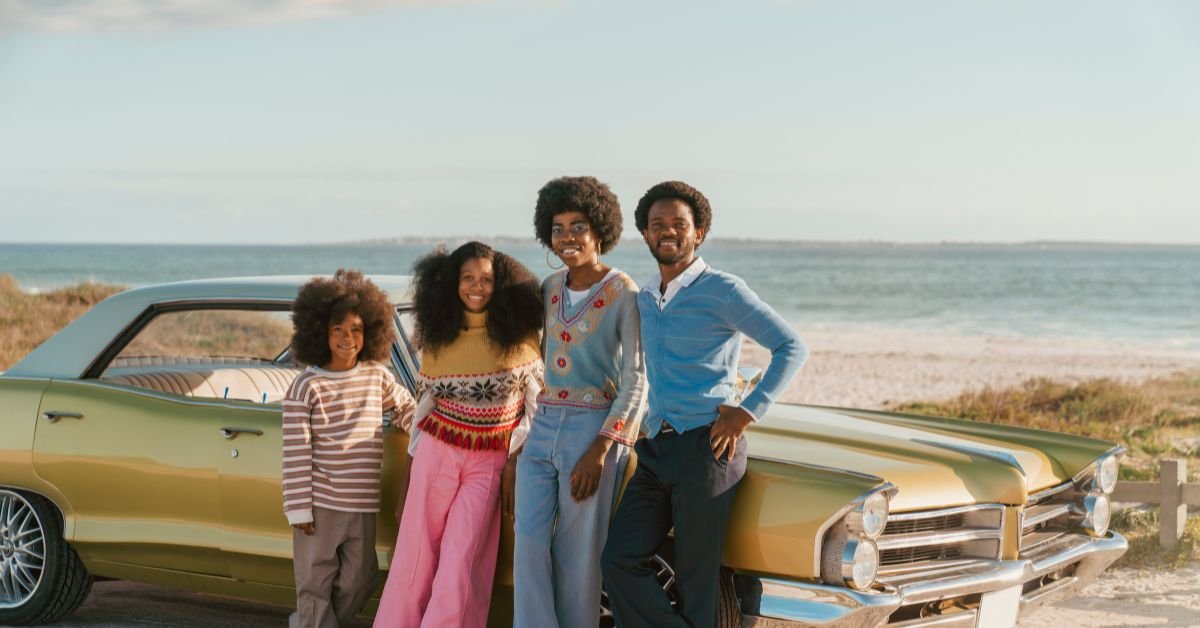
Soul Style Fashion was a vibrant expression of identity, heritage, and resistance. Against a backdrop of civil rights activism and the Black Power movement, African Americans reimagined their style from conk‑treated hair and Eurocentric beauty norms toward bold Afrocentric attire, natural hair, dashikis, and kente patterns. Designers like Arthur McGee and the AfriCOBRA collective helped shape a visual language rooted in Black pride.
Context & Culture: Civil Rights Meets Style
In the early 1960s, as the civil rights movement advanced, fashion became a vehicle for dignity and respectability. Tailored slim‑cut suits for men, polished sheath and A‑line dresses for women, gloves, hats, and pearls all served as sartorial statements of equality and professionalism—part of the carefully curated image that African Americans presented during protests and public appearances This “Sunday best” aesthetic intentionally countered stereotypes and asserted humanity through clothing

Afrocentrism and the Black Is Beautiful Movement Soul Style
By the mid‑1960s, the “Black Is Beautiful” movement had exploded into fashion. Spearheaded by Harlem photographer Kwame Brathwaite’s 1962 Naturally ’62 show featuring Grandassa Models, it foregrounded African-inspired garments, natural afros, headwraps, and bold jewelry—celebrating textures, darker skin tones, and cultural heritage
Afrocentric Trends: Garments & Patterns
Dashikis, printed tunics, and kente cloth became staples. These loose-fitting, vividly patterned pieces were worn by both activists and fashion-forward individuals to express Pan‑African identity and solidarity
Style Icons: Models, Musicians & Designers
Influential figures helped define and broadcast these trends:
-
Donyale Luna, the first Black model on Vogue in 1966, shattered beauty standards and opened doors for models like Naomi Sims, Bethann Hardison, and Cicely Tyson .
-
Diana Ross and The Supremes showcased glamorous, coordinated gowns and tailored ensembles that blended elegance with Motown’s modern charisma
-
Aretha Franklin, with her natural hair, bold makeup, and sequined performance wear, became a fashion muse of soul music, embodying Black pride and feminine strength .
-
Designer Arthur McGee was the first African American to head a fashion studio on Seventh Avenue and integrated African fabrics and looser silhouettes into ready‑to‑wear and couture, dressing clients like Lena Horne and Cicely Tyson in the process .
Accessories & Grooming: Symbols of Resistance
Accessories were not afterthoughts—they were part of the message. Chunky beaded necklaces, oversized earrings, Afro‑pick combs shaped like raised fists, and African headwraps signaled solidarity and pride
Men often sported fedoras, leather gloves, narrow ties, and suede jackets, while women embraced go‑go boots, kitten heels, turbans, and cat‑eye sunglasses to complete their mod and Afrocentric looks
From Protest to Pop Culture: Fashion’s Legacy
The Black Panther Party’s signature ensemble—black leather jackets, berets, pants, and black tees—emerged later in the decade as militant fashion, merging political identity with visual coherence and style This aesthetic was echoed in streetwear and protest attire as a symbol of unity, discipline, and defiance.
Evolution of Hairstyles: From Conk to Afro to Natural Soul Style
As the decade progressed, natural Afros and short cropped textures replaced these processes, forming a clear visual link between style and political consciousness. By the late 1960s, the Afro had become an iconic emblem of Black autonomy and self‑love
Cultural Influences: Music, Art & Identity
Fashion in the 1960s Black community wasn’t isolated—music and art fueled it. The Black Arts Movement, jazz, soul, and emerging funk amplified Afrocentric visuals, inspiring designers and everyday wear alike .
Brands and designers of African-American heritage, along with grassroots fashion exhibitions and model collectives, cultivated a self‑determined visual identity. Publications like Essence emerged as important platforms when mainstream media failed to reflect Black beauty .

Conclusion
It was a political aesthetic, a cultural assertion, and a community-driven reclaiming of identity. The vestiges of that era remain visible in modern trends: in music videos, fashion runways, streetwear, and activism. This decade forged an enduring legacy of style that intertwined aesthetics, identity, resistance, and beauty.
Frequently Asked Questions (FAQs)
What inspired African American fashion trends in the 1960s?
The civil rights and Black Power movements, Afrocentric activism, cultural pride, and influential creatives like Kwame Brathwaite and AfriCOBRA drove fashion toward a fusion of politics and aesthetics.
Which garments became iconic symbols of Black identity?
Dashikis, kaftans, kente‑printed tunics, and tailored suits reimagined through African-inspired patterns served as powerful visual symbols of heritage and resistance.
Who were major Black designers and models of the era?
Arthur McGee, Ann Lowe, Stephen Burrows, Donyale Luna, Naomi Sims, and Bethann Hardison reshaped representation in the fashion industry.
How did hairstyles reflect social change?
Moving from chemically straightened conks to natural Afros, braids, and cornrows represented a shift toward embracing Black hair textures as political and identity affirmations.
How did music and art influence fashion?
Icons like Aretha Franklin, Diana Ross, Sly Stone, and movements like the Black Arts Movement introduced fashion aesthetics aligned with Black cultural expression and joy.
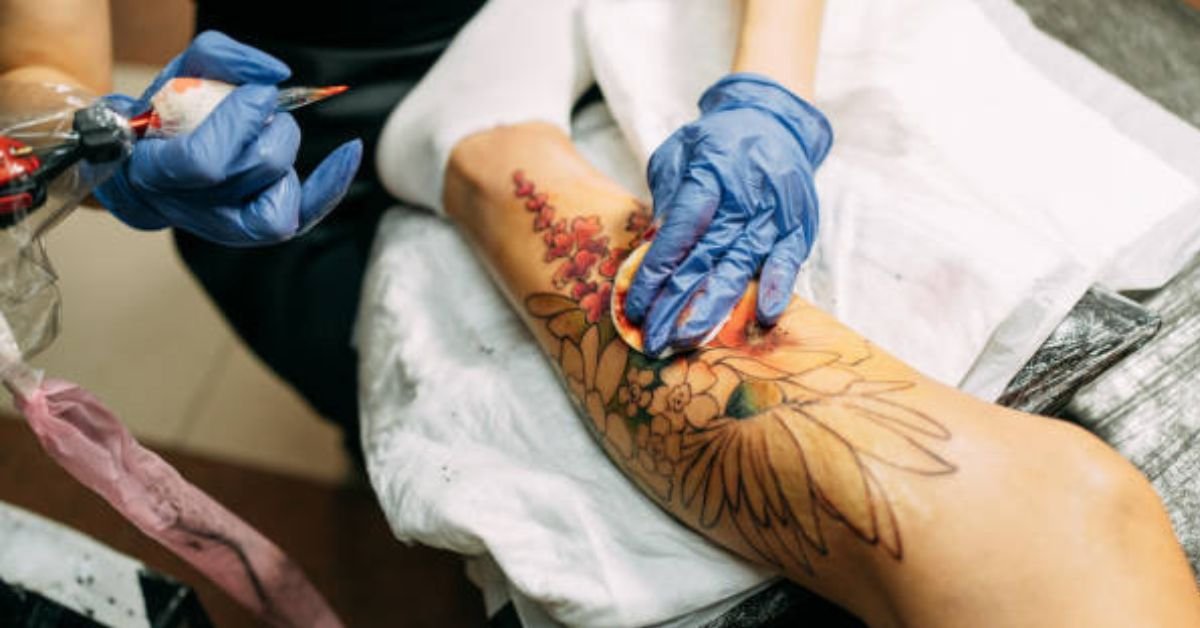
Tattoo pain chart is a visual representation of the human body, highlighting areas that are considered more or less painful to get tattooed. These charts are often based on user feedback, tattoo artist insights, and anatomical knowledge.
How to Use a Tattoo Pain Chart
When using a tattoo pain chart, it’s essential to keep in mind that pain is subjective and can vary greatly from person to person. However, these charts can provide a general idea of what to expect.
- Identify your tattoo location: Look at the chart and identify the area where you plan to get your tattoo.
- Understand the pain level: Check the corresponding pain level for that area, usually indicated by a color or number.
- Prepare yourself: Use this information to prepare yourself mentally and physically for the tattoo process.
“I was surprised by how much the tattoo pain chart helped me prepare for my session. I knew what to expect, and it made the experience much more manageable.”

Factors that Influence Tattoo Pain
While a tattoo pain chart can provide valuable insights, it’s essential to understand that pain is influenced by various factors, including:
- Individual pain tolerance: People have different pain thresholds, which can affect their experience.
- Tattoo technique: The skill and technique of the tattoo artist can impact the level of discomfort.
- Aftercare: Proper aftercare can help minimize discomfort during the healing process.
FAQs
Q: Are tattoo pain charts accurate?
A: While tattoo pain charts can provide a general idea of what to expect, they are not always 100% accurate. Pain is subjective, and individual experiences can vary.
Q: Can I use a tattoo pain chart to avoid pain?
A: While a tattoo pain chart can help you prepare, it’s not a guarantee against pain. However, it can help you make informed decisions about your tattoo placement.
Q: How can I minimize tattoo pain?
A: There are several ways to minimize tattoo pain, including taking breaks, using numbing creams, and practicing relaxation techniques.
Q: Are there any areas of the body that are more painful to get tattooed?
A: Yes, areas with more bone and less fat tend to be more painful, such as the ribs, feet, and hands.
The Future of Tattoo Pain Management
As the tattoo industry continues to evolve, we can expect to see new and innovative approaches to pain management. From advanced numbing creams to cutting-edge technology, the future of tattoo pain management is looking bright.
Conclusion
Tattoo pain chart is a valuable resource for anyone considering getting a tattoo. By understanding what to expect and taking steps to manage discomfort, you can have a more positive experience.
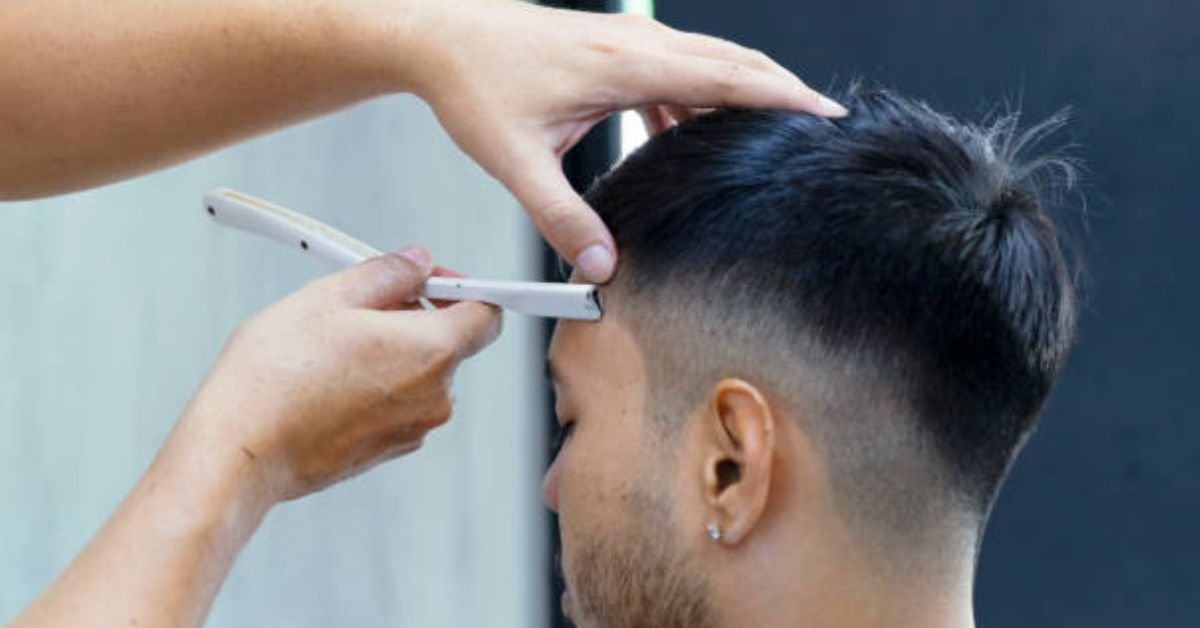
High taper fade is a type of haircut that involves cutting the hair close to the head, with a gradual decrease in length as you move up the scalp. The “high” refers to the fact that the fade starts higher up on the head, typically above the temples or even higher. This creates a seamless transition from the hair to the skin, giving the illusion of a more defined jawline and facial structure.
Benefits of a High Taper Fade
So, what are the benefits of a high taper fade? For one, it’s a great way to add some edge to your look without going for a drastic change. It’s also a low-maintenance haircut, as it requires minimal styling and upkeep. Plus, it can be paired with a variety of hairstyles, from messy textures to sleek, polished looks.
As one guy recently shared, “I got a high taper fade and it’s completely transformed my look. I feel more confident and put-together, even on days when I’m not feeling like styling my hair.”

How to Style a High Taper Fade
One of the best things about a high taper fade is its versatility. Whether you’re going for a casual, everyday look or a more formal, dressed-up style, this haircut can be adapted to suit your needs. Here are a few tips for styling a high taper fade:
- Use a bit of texture or pomade to add some grit and volume to your hair
- Keep the top layer of your hair messy and undone for a relaxed, effortless look
- Use a comb or brush to slick back your hair for a sleeker, more polished appearance
Pros and Cons of a High Taper Fade
Like any haircut, a high taper fade has its pros and cons. On the plus side, it’s a stylish and versatile cut that can be adapted to suit a variety of face shapes and hair types. However, it may not be suitable for everyone, particularly those with very curly or unruly hair.
Features and Usability of High Taper Fade in 2025
In 2025, the high taper fade continues to evolve, with barbers and stylists pushing the boundaries of this classic cut. Some of the latest trends include:
- Higher fades that start closer to the crown of the head
- More subtle, nuanced transitions between the hair and skin
- Pairing the high taper fade with other styles, such as a pompadour or quiff
Frequently Asked Questions
Q: Is a high taper fade suitable for all face shapes?
A: While a high taper fade can be adapted to suit most face shapes, it may not be the best choice for those with very round or square faces. It’s always a good idea to consult with a professional barber or stylist to determine the best haircut for your individual features.
Q: How often do I need to get a high taper fade touched up?
A: To maintain the clean, defined look of a high taper fade, it’s recommended to get it touched up every 2-4 weeks. This will help keep the fade looking sharp and prevent the hair from growing out too much.
Q: Can I get a high taper fade with curly or unruly hair?
A: While a high taper fade can be challenging to achieve with very curly or unruly hair, it’s not impossible. A skilled barber or stylist can work with you to create a customized cut that takes into account your hair type and texture.
Q: How do I style a high taper fade for a formal event?
A: To style a high taper fade for a formal event, try using a bit of product to slick back your hair and add some shine. You can also use a comb or brush to create a sleek, polished look.
Conclusion
High taper fade, remember that it’s all about finding a style that works for you. With its versatility and low-maintenance requirements, this haircut is definitely worth exploring.
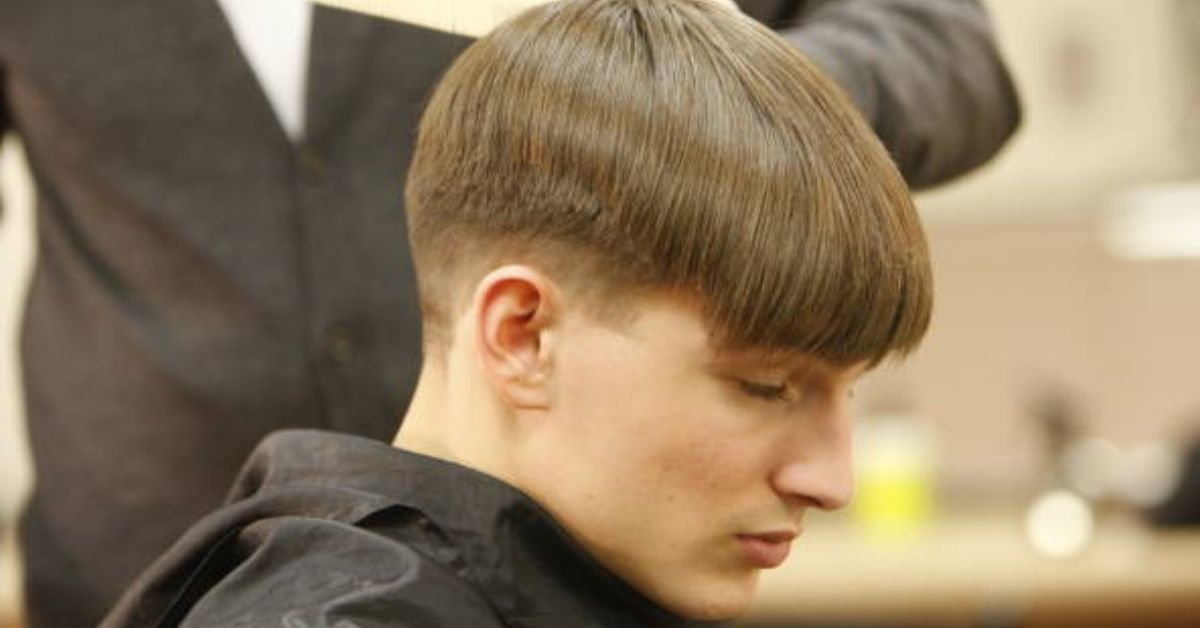
Bowl cut has a rich history, dating back to ancient civilizations. In the 1960s and 1970s, it was a popular choice among children, but it wasn’t until the 1980s and 1990s that it became a mainstream phenomenon. The hairstyle was characterized by its distinctive “bowl-like” shape, with the hair cut to the same length all around the head. But as with any trend, the bowl cut eventually fell out of favor, becoming a relic of a bygone era.
The Resurgence of the Bowl Cut
Fast-forward to 2025, and the bowl cut is once again gaining traction. With the rise of social media, influencers, and celebrities sporting the look, it’s clear that the bowl cut is back in a big way. But what’s driving this resurgence? Is it a nostalgic nod to the past, or is there something more to it? For some, the bowl cut is a statement piece, a way to express their individuality and stand out from the crowd. As one user put it, “I’m loving my new bowl cut! It’s so easy to style and maintain – I feel like a completely different person.”
The Pros and Cons of Rocking a Bowl Cut
So, is a bowl cut right for you? Let’s weigh the pros and cons. On the one hand, the bowl cut is a low-maintenance hairstyle that’s perfect for busy lives. It’s also a great way to add some edge to your look, and can be styled in a variety of ways to suit your mood. On the other hand, the bowl cut can be a bit of a commitment, requiring regular trims to maintain its shape. And, let’s be real, it’s not for everyone – some people just aren’t suited to the look.

Features and Usability in 2025
In terms of features and usability, the bowl cut is a relatively straightforward hairstyle. It’s easy to style, and can be paired with a variety of outfits and accessories. However, it’s worth noting that the bowl cut can be a bit high-risk, particularly if you’re not used to having a fringe (or bangs). If not styled correctly, the bowl cut can be a bit too “on the nose,” so to speak.
Styling Your Bowl Cut
So, you’ve decided to take the plunge and get a bowl cut. Now what? Styling your bowl cut is all about experimentation and finding what works for you. You can try pairing it with a bold lip color, or adding some texture with a styling product. The key is to have fun and be creative – after all, that’s what the bowl cut is all about.
Risks and Considerations
As with any hairstyle, there are risks associated with getting a bowl cut. For one, it can be a bit of a drastic change, particularly if you’re not used to having a fringe. Additionally, the bowl cut can be a bit high-maintenance, requiring regular trims to maintain its shape. However, for those who are willing to take the risk, the rewards can be well worth it.
FAQs
A: While a bowl cut can work for most hair types, it’s particularly well-suited to those with straight or slightly wavy hair. If you have curly or very fine hair, you may want to consider a different style.
A: To maintain the shape of your bowl cut, you’ll need to get regular trims every 4-6 weeks. This will help keep your hair looking healthy and prevent split ends.
A: Absolutely! One of the best things about the bowl cut is its versatility. You can style it sleek and straight, or add some texture with a styling product.
A: While a bowl cut can be a bit edgy, it can also be styled to suit a professional setting. It really depends on your personal style and the industry you’re in.
Conclusion
The bowl cut is a hairstyle that’s here to stay, at least for the time being. With its rich history, versatility, and low-maintenance requirements, it’s no wonder that it’s making a comeback in 2025. Whether you’re a fan of the look or not, one thing’s for sure: the bowl cut is a hairstyle that’s not going away anytime soon.
-

 BLOG8 months ago
Shocking Gasp GIFs – Top 9 Picks
-

 BLOG6 months ago
Is Recurbate Safe for Users or a Hidden Risk?
-

 ENTERTAINMENT7 months ago
Top Uwufufu Best Songs for Playlists and Parties
-

 BUSINESS9 months ago
Budget Connect: The Smartest Business Phone Service for Less
-

 ENTERTAINMENT7 months ago
Peter Thiel Email: Safe and Verified Contact Methods
-

 ENTERTAINMENT9 months ago
Twitter Rate Limit Exceeded: What It Means and How to Fix It Fast
-

 BLOG9 months ago
Mark Spaeny: Tailoring Success and Raising a Star
-

 TECH9 months ago
Quick Guide: How to Easily Reset Your Acer Laptop