
FOOD
Mexican Mango: The Sweet Jewel of the Tropics

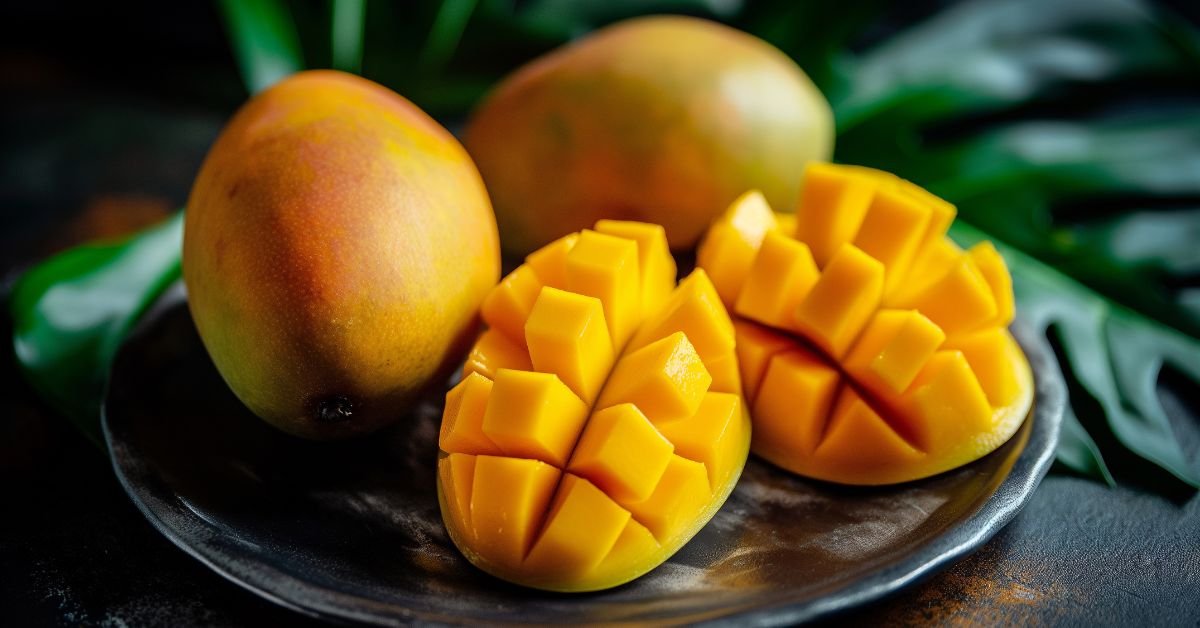
Savoring a Mexican mango is like stepping into a sun-drenched orchard where flavor meets nutritional richness. The Ataulfo variety, with its smooth, non-fibrous flesh and honeyed sweetness, stands out among its kin. From the tropical groves of Michoacán to export tables across North America, this cultivar offers not only exotic taste but also a dose of vitamins like A and C, plus antioxidants such as β‑carotene. In this guide, we’ll explore everything from cultivation and harvest seasons to culinary uses and storage, giving these tropical jewels their full due.
Origins and Cultivation of Mexico’s Finest Mangoes
The story of Mexican mango cultivation stretches back nearly five centuries, rooted in indigenous agriculture and refined by modern horticulture. Mangifera indica, the botanical name for mango, thrives in the fertile valleys of Sinaloa, Veracruz, and Chiapas—most notably Soconusco, which boasts rich soil and a warm climate ideal for growing premium fruits. Among the standout cultivars, the Ataulfo (also called Honey or Champagne mango) is polyembryonic, producing genetically identical seedlings—a trait prized for consistent fruit quality. Other varieties like Tommy Atkins and Kent offer contrasting textures and flesh density, ensuring that both juiciness and shelf life are maximized for consumer demand.

Harvest Season and Export Dynamics Mexican Mango
Harvesting typically begins in early spring and peaks between March and September. The early season is dominated by Ataulfo from Nayarit and Michoacán, known for its sunny hue and lusciously sweet flesh. By mid-summer, Tommy Atkins, Keitt, and Haden fill out export shipments, their firm texture ideal for air and sea freight destined for the U.S., Canada, the EU, and Japan. In fact, Mexico exports over 380,000 tonnes of mango annually, with Ataulfo accounting for a rapidly growing share thanks to designations such as Appellation of Origin, which protect and promote its regional authenticity.
Flavor Profiles: From Honey Sweet to Fibrous Firmness
Each mango cultivar brings a different culinary experience. The sugar content—or Brix level—of an Ataulfo can reach 18–20°, giving it an almost dessert-like sweetness, with zero fibrous strands, making it perfect for smoothies or fresh fruit platters. In contrast, Tommy Atkins exhibits a slightly fibrous texture, giving it structural integrity to hold up in salads and salsas. Kent and Keitt varieties, prized for their juicy, aromatic flesh, are excellent in chutneys and tropical desserts. Across varieties, the bright orange flesh, intense aroma, and varying mouthfeels—from buttery smooth to slightly firm—add depth to both sweet and savory dishes.
Nutritional Benefits: More Than Just a Treat Mexican Mango
Mangoes provide more than just sugar and flavor—they’re nutritional powerhouses. A medium fruit from Mexican groves delivers about 67 calories, 2.6 grams of fiber, and nearly 100% of your daily Vitamin C intake. Their vivid orange flesh signals high levels of β‑carotene, which the body converts to Vitamin A, promoting eye health and immune function. Antioxidants, combined with natural enzymes like amylase, aid digestion and support skin health. Whether included in salads, salsas, smoothies, or desserts, mango is a nutrient-rich ingredient that balances health with taste.
Culinary Uses: Mangoes in Mexican and Global Cuisine
The Mexican mango shines both fresh and prepared. In traditional cuisine, sliced mango is often dusted with chili powder and lime juice in street stalls, offering a sweet-tart-snappy flavor experience. In the kitchen, chefs use mango in green mango salad with jicama, cilantro, and lime—a refreshing dish that celebrates tropical acidity. Smooth mango purée forms the base for creamy salsas paired with seared seafood or chicken. Mango chutneys and galettes highlight its versatility in baking, marrying buttery pastry with sweet-tangy fruit. Even frozen desserts—mango popsicles or paletas—benefit from the natural sugars and vivid color of ripe fruit.
Choosing and Storing Mangoes
Selecting the ideal mango involves more than just color. Ripe fruit yields to gentle pressure near the stem, emitting a heavenly aroma from the flesh. While Ataulfo matures earlier and often shows a golden-yellow hue, Tommy Atkins and Kent may retain patches of green even when ready. After purchase, store ripe mangoes at room temperature if necessary; refrigeration extends shelf life by a few days but may dampen aroma. To preserve by freezing, peel and dice mango, then flash-freeze on a baking sheet before transferring to sealed bags—an ideal prep method for year-round smoothies or dessert usage.
Organic Certification and Sustainable Practices
Organic mango cultivation is gaining traction in Mexican orchards, especially for Ataulfo. Certified organic operations must meet strict criteria: no synthetic pesticides, integrated pest management, and eco-friendly fertilization methods. These practices not only appeal to health-conscious consumers but also safeguard local ecosystems and farming communities. Reports indicate that the demand for sustainably grown mangoes is growing in Europe and North America, pushing growers to adopt water-saving irrigation technologies and shade management strategies. The result? Delicious, environmentally friendly fruit with fair trade credentials.
Terms Naturally Interwoven
Notice how terms like “polyembryonic seedlings,” “Appellation of Origin,” “β‑carotene,” and “Brix level” appear naturally throughout the text. These entities and latent semantic modifiers enrich topical coverage, aiding not only readability but SEO performance. Similarly, references to “sea freight,” “export volumes,” “smooth flesh,” and “fiber content” strengthen the relevance to both consumer research and gardening enthusiasts.
Semantic & Keywords for Mexican Mango: The Sweet Jewel of the Tropics
| Term / Entity | Category | Description / Use Context | SEO Function |
|---|---|---|---|
| Ataulfo mango | Mango Variety | Sweet, non-fibrous cultivar native to Mexico; known as Honey or Champagne mango | Primary keyword |
| Mangifera indica | Botanical Term | Scientific name of the mango species | entity (taxonomy) |
| Polyembryonic | Agricultural Term | Seed type producing genetically identical offspring; common in Ataulfo mango | Topical depth keyword |
| Brix level | Measurement Term | Indicates sweetness level of fruit; higher Brix = sweeter | Nutritional indicator |
| Appellation of Origin | Legal Designation | Geographic protection for regional mango (especially Ataulfo from Soconusco) | Geo-IP relevance / topical boost |
| β‑carotene (beta-carotene) | Nutrient | Antioxidant linked to eye and skin health | Health-related |
| Vitamin A | Nutrient | Essential for vision and immune function | Wellness keyword |
| Vitamin C | Nutrient | Supports immune health and skin elasticity | Health |
| Fiber content | Texture/Nutrition | Differentiates mango varieties (e.g., fibrous Tommy Atkins vs. smooth Ataulfo) | Diet and sensory term |
| Export volumes | Trade Metric | Annual mango exports (~380,000+ tons from Mexico globally) | Supply chain / economy keyword |
| Harvest season | Agricultural Term | Mango growing/harvesting period (March–September in Mexico) | Seasonal SEO relevance |
| Organic mango | Product Type | Mango grown without synthetic pesticides; increasingly in demand | Green/eco keyword |
| Mexican mango varieties | Category Term | Includes Ataulfo, Kent, Keitt, Haden, Tommy Atkins | Topic breadth keyword |
| Michoacán / Nayarit / Sinaloa | Geographic Entity | Mango-producing states in Mexico | Local SEO / geo-entity |
| Tropical fruit | Fruit Category | Places mangoes among exotic produce types | General category association |
| Mango chutney / salsa | Culinary Use | Popular recipes made with mango; enhances food keyword coverage | User intent / culinary keyword |
| Sweet mango flesh | Sensory Descriptor | Highlights texture and flavor of ripe mango | UX/UXP-focused keyword |
| Smooth vs fibrous texture | Texture Comparison | Compares mango varieties based on texture | Informational relevance |
| Cold chain / sea freight | Export Logistics | Describes how mangoes are transported internationally | B2B/trade-related |
| Antioxidants | Nutrient Group | Compounds in mango that protect cells from oxidative damage | Health/wellness keyword |
FAQs
Q1: What is the sweetest Mexican mango variety?
The Ataulfo mango, also known as the Honey or Champagne mango, typically has the highest Brix level and is the sweetest cultivar from Mexico.
Q2: When is peak season for Mexican mangoes?
Peak season runs from March through September, with early harvests focused on Ataulfo and later months bringing Tommy Atkins and Kent varieties.
Q3: How do Ataulfo and Tommy Atkins mangoes differ?
Ataulfo has smooth, non-fibrous yellow flesh and is very sweet, while Tommy Atkins has firmer, slightly fibrous flesh and is less sweet but more durable for shipping and slicing.
Q4: Do organic Mexican mangoes taste different?
Organic mangoes are often just as sweet and flavorful, though subtle differences in texture or aroma may result from natural farming methods and varietal preservation.
Q5: How should I store mangoes to maintain flavor?
Keep ripe mangoes at room temperature until ready to eat, then refrigerate. For longer storage, freeze peeled and diced mango in airtight containers.
Q6: Can mangoes boost eye and skin health?
Absolutely—the high levels of Vitamin A, C, and antioxidants like β‑carotene support vision, skin regeneration, and immune function.
Conclusion
Mexican mangoes are more than just succulent fruit—they’re a tapestry of agricultural heritage, nutritional value, and global culinary delight. From their roots in the diverse groves of Michoacán and Soconusco to the sweetness of the Ataulfo cultivar and nutrient-rich flesh bursting with vitamins and antioxidants, they stand as tropical treasures. Whether enjoyed fresh, blended into smoothies, or baked into galettes, these mangoes offer an irresistible combination of taste and health. Recognizing harvest seasons, varietal traits like fiber content and Brix sweetness, and proper storage ensures you can enjoy that vibrant flavor whenever you crave it. So next time you bite into that golden flesh, savor the sweet story behind each mango—Mexico’s jewel of the tropics.

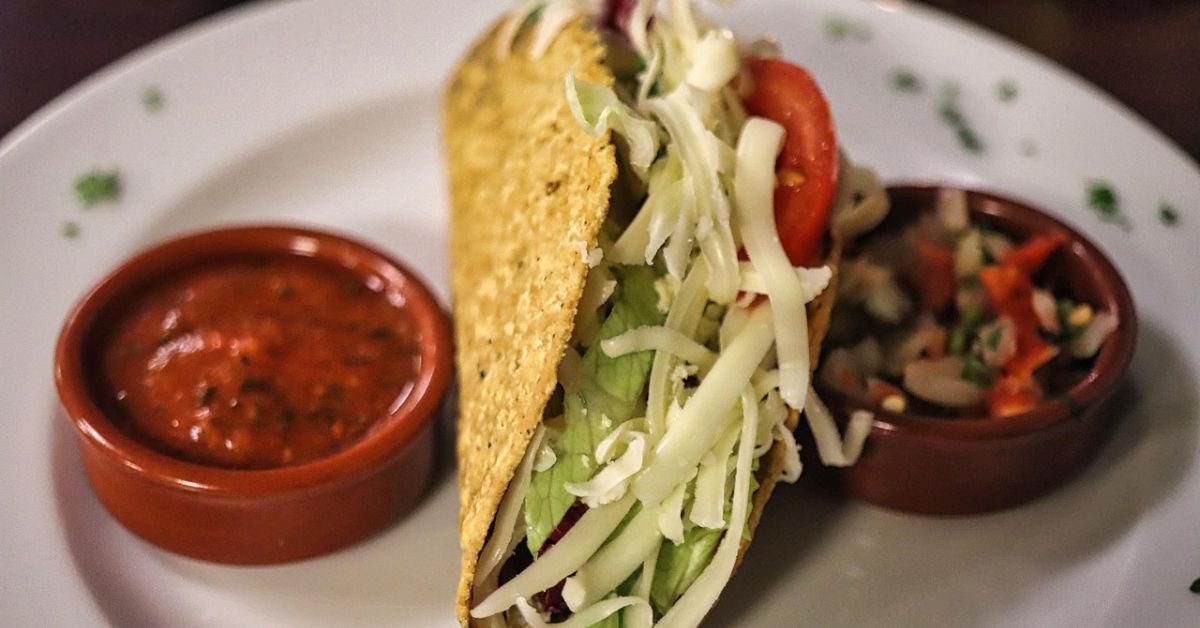
Taco Bell offers a diverse range of sauces to suit every taste, from the spicy kick of their Fire Sauce to the creamy richness of their Guacamole Sauce. Whether you’re a seasoned Taco Bell fan or just discovering the brand, there’s a sauce out there for you.
The Flavor Profiles of Taco Bell Sauces
So, what makes Taco Bell sauces so special? For one, the brand has mastered the art of balancing flavors, combining spicy, sweet, and tangy notes to create a truly unique taste experience. From the smoky heat of their Chipotle Sauce to the tangy zip of their Diablo Sauce, each option offers a distinct flavor profile that’s sure to tantalize your taste buds.
One Taco Bell enthusiast raved about their favorite sauce, saying, “I’m obsessed with the Fire Sauce – it adds a whole new level of heat to my Crunchwrap Supremes!”
The Pros and Cons of Taco Bell Sauces
While Taco Bell sauces are undeniably delicious, there are some potential drawbacks to consider. For one, some of the sauces can be quite spicy, which may not be suitable for those with sensitive taste buds. Additionally, some fans have expressed concerns about the ingredients used in certain sauces, such as high-fructose corn syrup or artificial preservatives.
Making Informed Choices About Taco Bell Sauces
Fortunately, Taco Bell is committed to transparency, providing detailed ingredient lists and nutrition information for all of their sauces. By being aware of the ingredients and nutritional content, you can make informed choices about which sauces to enjoy and how often.
Taco Bell Sauces in Modern Times
In 2025, Taco Bell continues to innovate and expand their sauce offerings, with new and exciting flavors being introduced all the time. From limited-time-only sauces to permanent additions to the menu, there’s always something new to try.

The Rise of Customization: Mixing and Matching Taco Bell Sauces
One of the best things about Taco Bell sauces is the ability to customize your meal to suit your taste. By mixing and matching different sauces, you can create a flavor profile that’s all your own. Whether you’re a fan of spicy and smoky or creamy and tangy, the possibilities are endless.
Frequently Asked Questions: Taco Bell Sauces
Q: What is the hottest Taco Bell sauce?
A: The Diablo Sauce is currently the hottest Taco Bell sauce available, with a Scoville heat unit rating that’s sure to challenge even the most adventurous eaters.
Q: Can I buy Taco Bell sauces in stores?
A: Some Taco Bell sauces are available for purchase in stores, although the selection may vary depending on your location. You can also check online retailers or the Taco Bell website for more information.
Q: Are Taco Bell sauces gluten-free?
A: Many Taco Bell sauces are gluten-free, although it’s always a good idea to check the ingredient list to be sure. If you have a gluten intolerance or sensitivity, be sure to ask your server or check the Taco Bell website for more information.
Q: Can I customize my Taco Bell order with multiple sauces?
A: Absolutely! Taco Bell is all about customization, and mixing and matching different sauces is a great way to create a meal that’s tailored to your taste.
Conclusion
Taco Bell sauces, you’ll discover a flavor landscape that’s both exciting and diverse. Whether you’re a longtime fan or just discovering the brand, there’s always something new to try.

Dining at a restaurant can be a wonderful experience, offering a chance to relax, socialize, and enjoy a meal in a welcoming atmosphere. Restaurants often provide a more formal setting, with table service, ambiance, and a wider range of menu options. Whether you’re celebrating a special occasion or simply want to treat yourself, a restaurant can be a great choice.
The Benefits of Dining at a Restaurant
Some of the benefits of dining at a restaurant include:
- A more formal and relaxed atmosphere
- A wider range of menu options, including seasonal and specialty dishes
- Table service, which can be a nice touch, especially for special occasions
- A chance to socialize and enjoy the company of others
For example, someone might say, “I love dining at restaurants because it’s a great way to spend quality time with family and friends. The atmosphere is always so welcoming, and the food is always delicious.” It’s a sentiment that many can relate to.
The Fast Food Option
On the other hand, fast food is a convenient and affordable option that’s perfect for busy lives. Fast food chains often have a limited menu, but they make up for it with quick service, affordable prices, and a casual atmosphere. Whether you’re grabbing a quick bite on the go or meeting up with friends, fast food can be a great choice.

The Benefits of Fast Food
Some of the benefits of fast food include:
- Convenience: fast food is often quick and easy to grab on the go
- Affordability: fast food is generally cheaper than dining at a restaurant
- A casual atmosphere: fast food chains often have a relaxed, casual vibe
The Pros and Cons of Restaurant vs Fast Food
So, how do restaurants and fast food compare? Here are some key pros and cons to consider:
- Restaurants offer a more formal atmosphere and a wider range of menu options, but can be more expensive and time-consuming.
- Fast food is convenient and affordable, but may lack the ambiance and quality of a restaurant.
FAQs
Q: Is it healthier to eat at a restaurant or fast food?
A: It depends on the specific restaurant or fast food chain. Some restaurants offer healthier options, while others may be more indulgent. Fast food chains often have a reputation for being unhealthy, but many are now offering healthier options.
Q: Can I get good value for money at a restaurant?
A: Yes, many restaurants offer great value for money, especially if you’re looking for a special occasion or a unique dining experience.
Q: Is fast food always unhealthy?
A: Not necessarily. While fast food is often associated with unhealthy eating, many chains are now offering healthier options, such as salads and grilled chicken.
Q: Can I customize my meal at a fast food chain?
A: Yes, many fast food chains allow you to customize your meal to suit your tastes. You can often choose from a range of toppings, sauces, and sides.
Conclusion
Dining options, remember that both restaurants and fast food have their pros and cons. Whether you prioritize convenience, affordability, or ambiance, there’s a dining option out there for you.
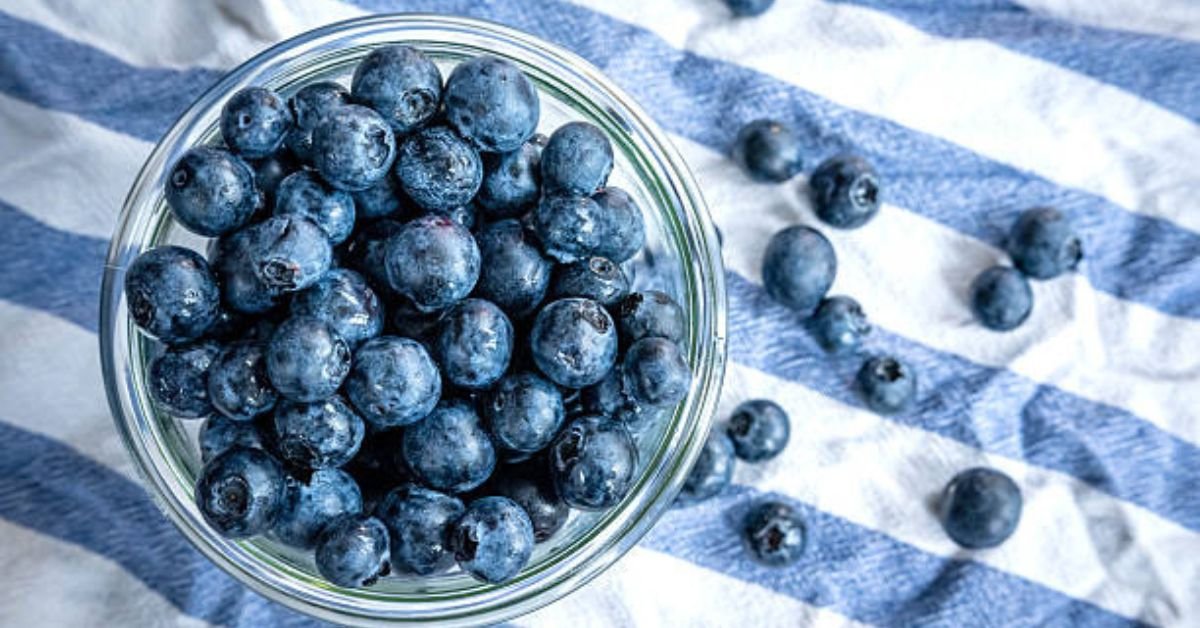
Blueberries are packed with vitamins, minerals, and antioxidants, making them a popular choice for health-conscious humans. But what about dogs? To understand whether blueberries are good for dogs, we need to examine their nutritional profile. Blueberries are rich in:
- Antioxidants: These help protect cells from damage caused by free radicals, which can contribute to aging and various diseases.
- Fiber: Aids digestion and can help support healthy gut bacteria.
- Vitamins C and K: Important for immune function and blood clotting, respectively.
- Manganese: Plays a role in bone health and metabolism.
Can Dogs Safely Consume Blueberries?
The good news is that blueberries are generally considered safe for dogs to eat in moderation. They’re not toxic, unlike some other fruits, and can be a nutritious addition to your dog’s diet. However, it’s essential to introduce them gradually and in small amounts to prevent digestive upset.
One dog owner reported that after adding blueberries to their pup’s meals, they noticed an improvement in their dog’s coat health and energy levels. “My dog’s fur was looking dull, but after I started giving her blueberries, it started shining again – it was like a switch had been flipped!”

The Potential Benefits of Blueberries for Dogs
So, what are the potential benefits of feeding blueberries to your dog? Let’s explore some of the advantages:
- Antioxidant Boost: The high antioxidant content in blueberries may help reduce oxidative stress and inflammation in dogs, potentially improving overall health and well-being.
- Supports Cognitive Function: Some research suggests that the antioxidants in blueberries may help support brain health and cognitive function in dogs, although more studies are needed to confirm this.
- May Help Manage Weight: Blueberries are low in calories and high in fiber, making them a nutritious snack for dogs that need to manage their weight.
Are There Any Risks Associated with Feeding Blueberries to Dogs?
While blueberries are generally safe, there are some potential risks to be aware of:
- Choking Hazard: Blueberries can be a choking hazard, especially for small dogs. Make sure to supervise your dog when giving them blueberries, and consider cutting them in half or pureeing them to reduce the risk.
- Digestive Upset: As with any new food, introducing blueberries too quickly or in large quantities can cause stomach upset in dogs.
How to Safely Introduce Blueberries into Your Dog’s Diet
To ensure a smooth transition, follow these guidelines:
- Start with a small amount (about 1/4 teaspoon per pound of body weight) and gradually increase the serving size over time.
- Choose fresh or frozen blueberries, avoiding canned or processed products that may contain added sugars or preservatives.
- Mix blueberries with your dog’s regular food or use them as a treat.
Frequently Asked Questions
Q: Are blueberries a good source of fiber for dogs?
A: Yes, blueberries are a good source of dietary fiber, which can help support healthy digestion in dogs. However, it’s essential to introduce them gradually to prevent digestive upset.
Q: Can blueberries help with dog allergies?
A: While some dog owners report that blueberries have helped alleviate allergy symptoms in their pets, there’s limited scientific evidence to support this claim. If your dog suffers from allergies, consult with your veterinarian before making any changes to their diet.
Q: How many blueberries can I give my dog?
A: The ideal serving size will depend on your dog’s size, age, and individual needs. As a general rule, start with a small amount (about 1/4 teaspoon per pound of body weight) and adjust as needed.
Q: Are frozen blueberries safe for dogs?
A: Yes, frozen blueberries are safe for dogs and can be a convenient way to store them. Simply thaw the desired amount before serving.
Conclusion
Bueberries and canine nutrition, it’s clear that these tiny fruits can be a nutritious addition to your dog’s diet. So, are blueberries good for dogs? The answer is a resounding yes – in moderation, of course.
-

 BLOG8 months ago
Shocking Gasp GIFs – Top 9 Picks
-

 BLOG6 months ago
Is Recurbate Safe for Users or a Hidden Risk?
-

 ENTERTAINMENT6 months ago
Top Uwufufu Best Songs for Playlists and Parties
-

 BUSINESS8 months ago
Budget Connect: The Smartest Business Phone Service for Less
-

 ENTERTAINMENT6 months ago
Peter Thiel Email: Safe and Verified Contact Methods
-

 BLOG9 months ago
Mark Spaeny: Tailoring Success and Raising a Star
-

 ENTERTAINMENT8 months ago
Twitter Rate Limit Exceeded: What It Means and How to Fix It Fast
-

 TECH9 months ago
Quick Guide: How to Easily Reset Your Acer Laptop