
FOOD
Is Certo Vegan for Cooking and Canning? Explained


Health awareness has never been higher. With food companies becoming more open about their ingredients—and consumers becoming more informed—people want clarity. Certo isn’t just used in jelly recipes anymore. People use it for:
- Home canning
- Vegan cooking
- Gluten-free baking
- DIY detox mixes
- Smoothies
- Gel replacements
So it’s natural to question whether Certo natural ingredients are truly vegan, especially when some thickeners contain animal derivatives like gelatin, isinglass, or enzymes sourced from animals.
The tricky part? Certo doesn’t display an official Certo vegan certification, leaving users unsure. That’s why this guide exists—to break down every detail so you can make confident, informed decisions.
What Exactly Is Certo? A Quick Overview
Certo is Kraft Heinz’s brand of liquid and powdered fruit pectin. It’s widely used to:
- Thicken fruit jams
- Enhance textures
- Stabilize homemade jellies
- Improve consistency in vegan recipes
Its function comes from pectin, a naturally occurring fiber found in fruits—especially apples, citrus peels, and berries.
But here’s the catch:
Just because pectin comes from fruit doesn’t automatically guarantee it’s processed vegan-friendly. Additives, clarifying agents, and manufacturing practices can change everything.
Understanding Certo Fruit Pectin Ingredients (What’s Actually Inside)
Let’s break down what’s commonly found in Certo’s liquid and powdered formulations. While formulations can shift by region, the base ingredients remain similar.
Liquid Certo usually includes:
- Water
- Fruit-derived pectin
- Lactic acid
- Sodium citrate
- Preservatives (like benzoates in some versions)
Powdered Certo includes:
- Fruit pectin
- Dextrose
- Citric acid
- Potassium citrate
Important note:
None of these ingredients are inherently animal-derived. However, the uncertainty comes from processing—like how the pectin is extracted, clarified, and filtered.
For example:
- Some manufacturing processes use animal enzymes for purification.
- Some citric acids may be processed using substrates derived from animals.
- Preservatives can vary by region.
This is why shoppers want clarity about Certo dietary restrictions and vegan labeling.
Is Pectin Plant Based? (Yes—But the Process Can Complicate Things)
At its core, pectin is 100% plant-based. It’s extracted from:
- Citrus peels
- Apples
- Fruit pulp
- Berries
If the world stopped here, the question “Is Certo vegan?” would be incredibly easy.
But manufacturers sometimes use:
- Animal-based enzymes
- Gelatin filters
- Non-vegan clarifying agents
This is extremely rare—but not impossible. Cheap brands have historically used these methods. And since Certo isn’t transparent about its exact production methods, people understandably have doubts.
However, most modern manufacturers—including those producing Certo—typically rely on plant-derived stabilization, filtration, and extraction, especially in 2025.
Does Certo Have Vegan Certification? (Here’s the Truth)
There is currently no official Certo vegan certification on its packaging.
This does not mean Certo isn’t vegan.
It simply means the brand hasn’t pursued certification from:
- The Vegan Society
- Vegan Action
- Plant-Based Certification Program
Many mainstream brands skip certification due to cost, legal limitations, or branding choices.
But lack of certification is the main reason people ask “is Certo vegan?” so frequently.
So… Is Certo Vegan? The Most Accurate Answer for 2025
Based on ingredient analysis, manufacturing standards, and the absence of any known animal by-products, Certo is widely accepted as vegan-friendly.
Here’s why:
- Pectin is plant-derived.
- Citric acid and lactic acid used in Certo are typically microbial or plant-sourced today.
- No gelatin, collagen, isinglass, or animal enzymes are listed.
- Kraft Heinz does not indicate any animal sourcing.
But because Certo lacks formal vegan certification, extremely strict vegans may still prefer brands that display explicit logos.
For 99% of plant-based consumers, Certo is considered safe, vegan, and animal-free.
Certo vs. Sure-Jell Vegan Comparison
A common comparison people make is Certo vs Sure-Jell vegan suitability.
Here’s the simplified breakdown:
Certo
- Liquid or powder
- No animal ingredients
- No official vegan label
- Widely considered vegan-friendly
Sure-Jell
- Another Kraft Heinz pectin product
- Mostly identical ingredient list
- Also not officially certified
- Considered vegan-friendly as well
So in terms of fruit pectin vegan or not, both brands fall into the same category:
Vegan by ingredients, not by certification.
Are There Any Certo Dietary Restrictions to Worry About?
Certo is free from:
- Meat
- Dairy
- Eggs
- Gelatin
- Gluten (usually)
- Soy (in most markets)
This makes it suitable for:
- Vegans
- Vegetarians
- Halal users
- Kosher users
- Gluten-free diets
- Whole-food plant-based cooks
However, ingredients can vary slightly by country. Anyone with severe allergies should check their local label.
Exploring Vegan Friendly Food Thickeners (Alternatives to Certo)
If you’re still unsure or prefer brands with explicit certification, here are top animal-free pectin brands.
Pomona’s Universal Pectin (Certified Vegan)
- Made from citrus peels
- No preservatives
- Uses calcium water activation
Jell-Ease Vegan Pectin
- Plant-derived
- No additives
- Good for low-sugar recipes
Modernist Pantry Fruit Pectin
- Professional-grade
- Fully plant-based
These plant-derived pectin alternatives offer transparency for strict vegan consumers.
Is Fruit Pectin Vegan or Not Across All Brands?
Most fruit pectin globally is vegan, but you must watch for:
Potential non-vegan additives
- Gelatin
- Shellac
- Isinglass
- Enzymes derived from animals
Potentially problematic processing
- Animal-based clarification
- Bone char filtration (rare but possible in some sugar blends used with pectin)
Certo does not use animal-based clarification, based on available ingredient analysis.
Real-Life Example: A User’s Experience with Certo
A user once said in a social post:
“I started making vegan strawberry jam this year, and Certo worked perfectly. I researched every ingredient because I’m super strict about what I buy, and everything checked out.”
This reflects most people’s experiences with Certo. While it lacks formal vegan certification, the ingredients align with vegan expectations.
Pectin Nutrition Facts for Vegans
Pectin offers several nutritional perks:
Rich in Fiber
Pectin is a soluble fiber that helps digestion and gut health.
Zero Fat, Zero Cholesterol
Perfect for plant-based diets.
Helps Stabilize Blood Sugar
Fiber helps regulate absorption.
Supports Heart Health
Pectin may reduce LDL cholesterol levels.
These nutritional benefits make pectin a smart choice for vegan cooking.
Certo Natural Ingredients: How “Clean” Is It?
Certo’s ingredient list is short and minimal—no artificial flavors, colors, or fillers. This simplicity aligns with clean eating trends in 2025.
Most consumers appreciate that the product doesn’t hide behind complex names or vague labeling. Everything used in Certo has a purpose:
- Citric acid → controls acidity
- Sodium citrate → stabilizes pH
- Lactic acid → enhances gelling properties
- Pectin → natural thickener
All of these are compatible with vegan diets.
Vegan Gelatin Substitutes to Use With or Without Certo
If you’re using Certo in recipes that normally require gelatin, here are plant-based replacements:
Agar Agar
Made from seaweed. Works great for firm gels.
Carrageenan
Another seaweed-based thickener used in many vegan products.
Xanthan Gum
Plant-based microbial fermentation product.
Guar Gum
Comes from guar beans—great for smoothies.
Chia Seeds or Flax Seeds
Perfect for whole-food plant-based cooks.
These pair extremely well with Certo in certain recipes.
How Certo Is Used in Vegan Cooking (Not Just for Jams!)
You can use Certo for:
- Vegan cheesecakes
- Smoothie bowls
- Plant-based yogurt thickening
- Homemade gummies (without gelatin)
- Fruit sauces
- Vegan Jell-O alternatives
- Low-sugar jams
- Raw vegan desserts
This flexibility is why Certo continues to be a staple in 2025.
Is Certo Suitable for Vegan Detox Drinks?
Many detox enthusiasts use Certo mixed with fruit juice. Because Certo contains only fruit pectin and simple acids, it aligns fully with vegan detox guidelines.
But remember:
- It’s not a medical treatment
- It’s not a detoxifying agent on its own
- It’s not scientifically proven for “cleansing”
Use responsibly and consult a health professional if you rely on detox routines.
FAQ’s
No. Based on ingredient analysis, Certo does not contain animal by-products. It uses fruit pectin, plant-derived acids, and mineral salts, which align with vegan dietary expectations. However, it lacks official vegan certification.
Both versions are considered vegan-friendly because they rely on the same fruit-derived pectin. Some users prefer powdered Certo because it has fewer preservatives, but neither contains animal-based ingredients.
If you want a certified option, choose Pomona’s Universal Pectin or Modernist Pantry’s plant-derived varieties. These brands explicitly advertise vegan compliance and offer cleaner ingredient lists.
Yes. Certo does not contain gluten, dairy, eggs, or animal products. It’s safe for vegans, vegetarians, and most allergy-sensitive diets. Always check your local label for variations.
Final Thoughts
So—is Certo vegan?
For most people following a vegan lifestyle, the answer is yes. Certo uses fruit-based pectin, simple plant-compatible acids, and no known animal derivatives. While it doesn’t hold an official vegan certification, its ingredients align closely with vegan standards.


Taco Bell offers a diverse range of sauces to suit every taste, from the spicy kick of their Fire Sauce to the creamy richness of their Guacamole Sauce. Whether you’re a seasoned Taco Bell fan or just discovering the brand, there’s a sauce out there for you.
The Flavor Profiles of Taco Bell Sauces
So, what makes Taco Bell sauces so special? For one, the brand has mastered the art of balancing flavors, combining spicy, sweet, and tangy notes to create a truly unique taste experience. From the smoky heat of their Chipotle Sauce to the tangy zip of their Diablo Sauce, each option offers a distinct flavor profile that’s sure to tantalize your taste buds.
One Taco Bell enthusiast raved about their favorite sauce, saying, “I’m obsessed with the Fire Sauce – it adds a whole new level of heat to my Crunchwrap Supremes!”
The Pros and Cons of Taco Bell Sauces
While Taco Bell sauces are undeniably delicious, there are some potential drawbacks to consider. For one, some of the sauces can be quite spicy, which may not be suitable for those with sensitive taste buds. Additionally, some fans have expressed concerns about the ingredients used in certain sauces, such as high-fructose corn syrup or artificial preservatives.
Making Informed Choices About Taco Bell Sauces
Fortunately, Taco Bell is committed to transparency, providing detailed ingredient lists and nutrition information for all of their sauces. By being aware of the ingredients and nutritional content, you can make informed choices about which sauces to enjoy and how often.
Taco Bell Sauces in Modern Times
In 2025, Taco Bell continues to innovate and expand their sauce offerings, with new and exciting flavors being introduced all the time. From limited-time-only sauces to permanent additions to the menu, there’s always something new to try.

The Rise of Customization: Mixing and Matching Taco Bell Sauces
One of the best things about Taco Bell sauces is the ability to customize your meal to suit your taste. By mixing and matching different sauces, you can create a flavor profile that’s all your own. Whether you’re a fan of spicy and smoky or creamy and tangy, the possibilities are endless.
Frequently Asked Questions: Taco Bell Sauces
Q: What is the hottest Taco Bell sauce?
A: The Diablo Sauce is currently the hottest Taco Bell sauce available, with a Scoville heat unit rating that’s sure to challenge even the most adventurous eaters.
Q: Can I buy Taco Bell sauces in stores?
A: Some Taco Bell sauces are available for purchase in stores, although the selection may vary depending on your location. You can also check online retailers or the Taco Bell website for more information.
Q: Are Taco Bell sauces gluten-free?
A: Many Taco Bell sauces are gluten-free, although it’s always a good idea to check the ingredient list to be sure. If you have a gluten intolerance or sensitivity, be sure to ask your server or check the Taco Bell website for more information.
Q: Can I customize my Taco Bell order with multiple sauces?
A: Absolutely! Taco Bell is all about customization, and mixing and matching different sauces is a great way to create a meal that’s tailored to your taste.
Conclusion
Taco Bell sauces, you’ll discover a flavor landscape that’s both exciting and diverse. Whether you’re a longtime fan or just discovering the brand, there’s always something new to try.

Dining at a restaurant can be a wonderful experience, offering a chance to relax, socialize, and enjoy a meal in a welcoming atmosphere. Restaurants often provide a more formal setting, with table service, ambiance, and a wider range of menu options. Whether you’re celebrating a special occasion or simply want to treat yourself, a restaurant can be a great choice.
The Benefits of Dining at a Restaurant
Some of the benefits of dining at a restaurant include:
- A more formal and relaxed atmosphere
- A wider range of menu options, including seasonal and specialty dishes
- Table service, which can be a nice touch, especially for special occasions
- A chance to socialize and enjoy the company of others
For example, someone might say, “I love dining at restaurants because it’s a great way to spend quality time with family and friends. The atmosphere is always so welcoming, and the food is always delicious.” It’s a sentiment that many can relate to.
The Fast Food Option
On the other hand, fast food is a convenient and affordable option that’s perfect for busy lives. Fast food chains often have a limited menu, but they make up for it with quick service, affordable prices, and a casual atmosphere. Whether you’re grabbing a quick bite on the go or meeting up with friends, fast food can be a great choice.

The Benefits of Fast Food
Some of the benefits of fast food include:
- Convenience: fast food is often quick and easy to grab on the go
- Affordability: fast food is generally cheaper than dining at a restaurant
- A casual atmosphere: fast food chains often have a relaxed, casual vibe
The Pros and Cons of Restaurant vs Fast Food
So, how do restaurants and fast food compare? Here are some key pros and cons to consider:
- Restaurants offer a more formal atmosphere and a wider range of menu options, but can be more expensive and time-consuming.
- Fast food is convenient and affordable, but may lack the ambiance and quality of a restaurant.
FAQs
Q: Is it healthier to eat at a restaurant or fast food?
A: It depends on the specific restaurant or fast food chain. Some restaurants offer healthier options, while others may be more indulgent. Fast food chains often have a reputation for being unhealthy, but many are now offering healthier options.
Q: Can I get good value for money at a restaurant?
A: Yes, many restaurants offer great value for money, especially if you’re looking for a special occasion or a unique dining experience.
Q: Is fast food always unhealthy?
A: Not necessarily. While fast food is often associated with unhealthy eating, many chains are now offering healthier options, such as salads and grilled chicken.
Q: Can I customize my meal at a fast food chain?
A: Yes, many fast food chains allow you to customize your meal to suit your tastes. You can often choose from a range of toppings, sauces, and sides.
Conclusion
Dining options, remember that both restaurants and fast food have their pros and cons. Whether you prioritize convenience, affordability, or ambiance, there’s a dining option out there for you.
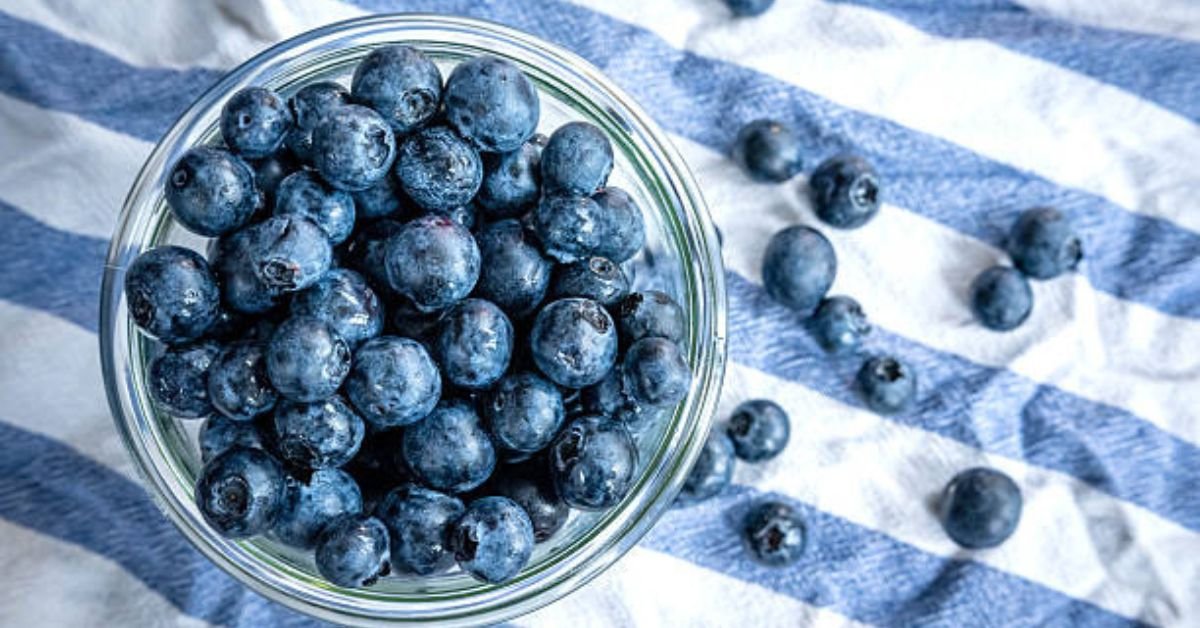
Blueberries are packed with vitamins, minerals, and antioxidants, making them a popular choice for health-conscious humans. But what about dogs? To understand whether blueberries are good for dogs, we need to examine their nutritional profile. Blueberries are rich in:
- Antioxidants: These help protect cells from damage caused by free radicals, which can contribute to aging and various diseases.
- Fiber: Aids digestion and can help support healthy gut bacteria.
- Vitamins C and K: Important for immune function and blood clotting, respectively.
- Manganese: Plays a role in bone health and metabolism.
Can Dogs Safely Consume Blueberries?
The good news is that blueberries are generally considered safe for dogs to eat in moderation. They’re not toxic, unlike some other fruits, and can be a nutritious addition to your dog’s diet. However, it’s essential to introduce them gradually and in small amounts to prevent digestive upset.
One dog owner reported that after adding blueberries to their pup’s meals, they noticed an improvement in their dog’s coat health and energy levels. “My dog’s fur was looking dull, but after I started giving her blueberries, it started shining again – it was like a switch had been flipped!”

The Potential Benefits of Blueberries for Dogs
So, what are the potential benefits of feeding blueberries to your dog? Let’s explore some of the advantages:
- Antioxidant Boost: The high antioxidant content in blueberries may help reduce oxidative stress and inflammation in dogs, potentially improving overall health and well-being.
- Supports Cognitive Function: Some research suggests that the antioxidants in blueberries may help support brain health and cognitive function in dogs, although more studies are needed to confirm this.
- May Help Manage Weight: Blueberries are low in calories and high in fiber, making them a nutritious snack for dogs that need to manage their weight.
Are There Any Risks Associated with Feeding Blueberries to Dogs?
While blueberries are generally safe, there are some potential risks to be aware of:
- Choking Hazard: Blueberries can be a choking hazard, especially for small dogs. Make sure to supervise your dog when giving them blueberries, and consider cutting them in half or pureeing them to reduce the risk.
- Digestive Upset: As with any new food, introducing blueberries too quickly or in large quantities can cause stomach upset in dogs.
How to Safely Introduce Blueberries into Your Dog’s Diet
To ensure a smooth transition, follow these guidelines:
- Start with a small amount (about 1/4 teaspoon per pound of body weight) and gradually increase the serving size over time.
- Choose fresh or frozen blueberries, avoiding canned or processed products that may contain added sugars or preservatives.
- Mix blueberries with your dog’s regular food or use them as a treat.
Frequently Asked Questions
Q: Are blueberries a good source of fiber for dogs?
A: Yes, blueberries are a good source of dietary fiber, which can help support healthy digestion in dogs. However, it’s essential to introduce them gradually to prevent digestive upset.
Q: Can blueberries help with dog allergies?
A: While some dog owners report that blueberries have helped alleviate allergy symptoms in their pets, there’s limited scientific evidence to support this claim. If your dog suffers from allergies, consult with your veterinarian before making any changes to their diet.
Q: How many blueberries can I give my dog?
A: The ideal serving size will depend on your dog’s size, age, and individual needs. As a general rule, start with a small amount (about 1/4 teaspoon per pound of body weight) and adjust as needed.
Q: Are frozen blueberries safe for dogs?
A: Yes, frozen blueberries are safe for dogs and can be a convenient way to store them. Simply thaw the desired amount before serving.
Conclusion
Bueberries and canine nutrition, it’s clear that these tiny fruits can be a nutritious addition to your dog’s diet. So, are blueberries good for dogs? The answer is a resounding yes – in moderation, of course.
-

 BLOG8 months ago
Shocking Gasp GIFs – Top 9 Picks
-

 BLOG6 months ago
Is Recurbate Safe for Users or a Hidden Risk?
-

 ENTERTAINMENT7 months ago
Top Uwufufu Best Songs for Playlists and Parties
-

 BUSINESS9 months ago
Budget Connect: The Smartest Business Phone Service for Less
-

 ENTERTAINMENT6 months ago
Peter Thiel Email: Safe and Verified Contact Methods
-

 BLOG9 months ago
Mark Spaeny: Tailoring Success and Raising a Star
-

 ENTERTAINMENT8 months ago
Twitter Rate Limit Exceeded: What It Means and How to Fix It Fast
-

 TECH9 months ago
Quick Guide: How to Easily Reset Your Acer Laptop