
ENTERTAINMENT
Screen Style: Creative Ideas to Decorate Your TV Wall

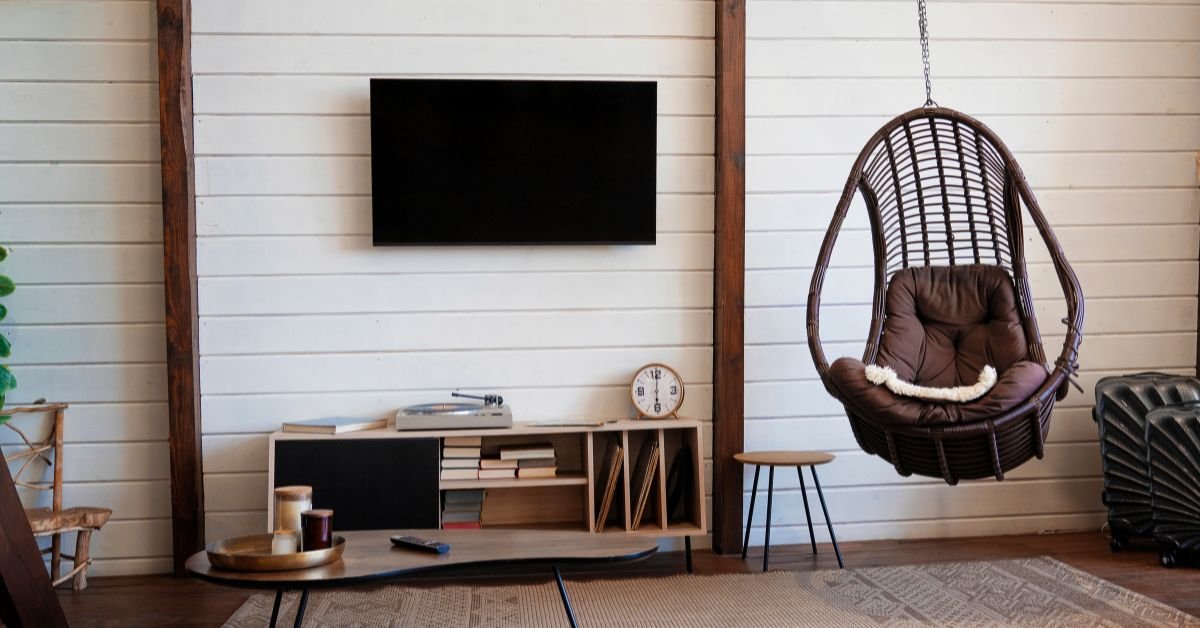
Decorating your TV wall opens up opportunities to blend style, texture, and personality into the heart of your home. With the right mix of shelving, colors, lighting, and artwork, you can turn an ordinary media setup into a striking focal feature. Let’s explore innovative ways to decorate your TV wall to align with modern living, spatial harmony, and your unique taste.
Why Decorating Your TV Wall Matters
Many decorate the sofa and coffee table area first—but the wall behind the TV sets the stage for your home’s atmosphere. Whether you have a minimalist, cozy, or rustic aesthetic, enhancing the space around your screen helps create visual balance and prevents the TV from appearing like an island in the room. By framing it with decorative elements, you support better acoustics and soften the glare from electronics, turning technology into part of your interior design story.
A smartly decorated TV wall also boosts perceived room size. Floating shelves, accent lighting, and vertical paneling draw the eye upward, giving the illusion of height and spaciousness—especially important in smaller apartments or open-plan living areas.

Accent Walls & Textured Backdrops
Painted and Wallpapered Statement Walls
To start, a bold shade or patterned wallpaper behind your TV can transform the entire corner. Deep hues like charcoal gray or navy blue create cinematic vibes without absorbing too much light. On the other hand, a geometric or botanical wallpaper adds depth and vibrancy without distracting from the screen. Choose washable, low-sheen finishes to handle the proximity of electronics.
Wood Paneling for Warmth
Wood slat walls or reclaimed timber paneling introduce natural texture and a cozy feel. Whether horizontal shiplap or vertical tongue-and-groove boards, wood adds tactile interest and softens the contrast between your TV’s sleek frame and the wall. Choose light maple for a Scandi look or rich walnut for a mid-century vibe, and consider leave gaps behind for sound diffusers.
Stone, Brick & Faux-Concrete Effects
If you lean toward industrial or loft styles, stone veneer or faux concrete panels offer an urban edge. These materials create a rich, dramatic backdrop that pairs well with metal accessories and Edison-bulb lighting. Faux brick wallpaper—textured, printed, or actual thin brick—gives visual heft without the heavy installation.Shelving Niches & Custom Built-Ins
Floating Shelves and Ledges
Floating wood or metal shelves on either side of the TV add storage, balance, and room for decorative items. You can display sleek vases, framed photos, sculptural objects, or small potted plants. Books interspersed with decor items help create rhythm and visually break up the electronic focus of the screen.
Built-In Cabinets and Media Consoles
Custom built-ins tailored around your television provide seamless storage for books, games, and AV components. Finishing with shaker-style doors, bespoke walnut units, or high-gloss lacquer adds polish and hides clutter, keeping cables and consoles out of sight. Consider mounting the TV flush with the cabinetry for a sleek, unified finish.
Niche Lighting with Cubbies
Recessed wall niches with integrated LEDs give your TV wall surprising brightness and flair. Lighted cubbies can spotlight decorative vases, collectibles, or small art pieces, adding warmth after dark. Use smart bulbs to adjust color temperature—from cozy amber during evening movie nights to crisp white during daytime.
Integrating Art and Accessories
Gallery Wall Around the Screen
Surrounding the TV with framed art turns it into a curated display. Choose a cohesive theme like abstract prints, architectural sketches, or travel photography. Keep matting and frames consistent in color or finish—black or white for modern spaces, or reclaimed wood for farmhouse appeal. The TV then becomes part of the overall visual narrative.
Mirrors to Bounce Light
Mirrors strategically placed above or beside the TV bounce natural light into darker corners. Choose minimalistic frames and reflective glass, but avoid placing mirrors directly opposite windows to reduce glare on your screen. This adds not only brightness but the illusion of depth, making the room feel larger.
Statement Clocks or Sculptural Pieces
A large wall clock or sculptural wall decor (like woven macramé or metal motifs) can anchor the TV area visually. These options introduce organic shape contrasts—round clock faces soften rectangular lines of the television, while sculptural forms create dynamic movement around static equipment.
Lighting Tips for Mood and Functionality
Backlighting for Eye Comfort
LED strip lighting behind your TV reduces eye strain and gives cinematic depth. Choose tunable LEDs—from cool to warm—to match your time of day. Backlighting also enhances contrast on the screen, making darker scenes appear richer.
Remote-Controlled Wall Lamps
Sconces or swing-arm lamps on either side of your television provide focused reading light without screen glare. Adjustable metal fixtures coordinate nicely with industrial, modern, or mid-century interiors. Plus, being wired up with dimmer switches sets the right mood for movie nights or casual nights in.
Smart Lighting Integration
Wi‑Fi enabled bulbs linked to smart home hubs let you control the lights around your TV via voice or app. You can dim, change color, or sync the lighting to on-screen content for immersive effects during gaming or film viewing.
Cable Management & Tech Setup
Concealing cables and devices contributes to a clean, styled TV wall. Use in-wall power channels or raceways painted to match your wall. Floating consoles with hidden shelves keep game consoles, soundbars, and festival gear tucked away but accessible. If you want a sleek silhouette, mount a soundbar directly below the TV and hide remotes and game discs inside drawers or side cabinets.

Maximizing Small Spaces
Vertical Styling for Compact Rooms
When square footage is tight, take your TV wall design upward. Use tall, slim shelving units flanking the screen, and top them with decorative baskets or real foliage. This directs attention upward, creating the illusion of height and making the space feel airier.
Corner TV Design
If you have a corner-mounted TV, use a floating triangular shelf beneath to house the console. Add slender vertical blinds or drapery panels on the walls to visually frame the corner and soften room echoes without compromising seating layout.
Multipurpose Wall Packages
Combine your media wall with workstation laminate or floating desk—great for bedrooms or home offices. The result is a unified feature wall that houses technology and productivity in harmony.
Personal Touch: Making It Yours
Decorated TV walls should reflect who you are. Integrate:
-
Family photos and personalized frames to make the area feel intimate.
-
Travel souvenirs like maps, tokens, or framed postcards.
-
DIY artwork—such as canvases you’ve painted—can add a creative flair.
-
Seasonal decor: switch textures and accessories with holidays, using velvet for winter, woven straw in summer, and dried botanical accents in autumn for a dynamic, lived-in feel.
FAQs
Can I safely paint behind a wall-mounted TV?
Yes—use low-VOC paint and allow for drying time before mounting. Matte finishes help reduce light reflection and fingerprints.
What’s the easiest way to hide TV cables?
Install a cable raceway or use in-wall power kits. You can also paint surface raceways to match the wall and conceal all wires neatly.
How high should I mount the TV?
Aim for center screen to be around eye level (about 42–48 inches from floor) when seated. Adjust slightly based on sofa height or platform seating.
Should I use open shelving or cabinets?
Open shelves work great for decor items and easy access, while closed cabinets are ideal for hiding electronics and clutter. A mix offers flexibility and style.
Are LED strip lights behind the TV safe?
Yes, when used properly. Choose UL-listed LED strips and follow spacing guidelines to avoid overheating. Built-in backlighting reduces eye fatigue during viewing.
Conclusion
Decorating your TV wall is more than just surrounding your screen—it’s about crafting a cohesive, welcoming environment that resonates with your style and enhances your viewing comfort. From textured accent walls and smart lighting to floating shelves and curated art arrangements, every element can make your media setup feel intentional and warm. Use vertical lines or corner solutions to amplify small spaces, and layer in personal mementos for authenticity.

Birthday parties can get a bit dull. That’s why we’re here to shake things up with some out-of-the-box birthday ideas that’ll make your celebration stand out. From themed parties to adventure-filled escapades, we’ve curated a list of the most innovative birthday ideas to make your day truly special.
Themed Birthday Ideas to Transport You to Another World
Themed parties are an excellent way to create an immersive experience that’ll transport your guests to another world. Imagine being surrounded by the magic of a fairy tale or the excitement of a futuristic city. Some popular themed birthday ideas include:
- A masquerade ball with elaborate masks and Venetian-inspired decor
- A retro arcade party with classic video games and nostalgic snacks
- A tropical island getaway with palm trees, floral arrangements, and refreshing cocktails
What’s your favorite theme? The possibilities are endless, and the right theme can make your birthday party an unforgettable experience.
Adventure-Filled Birthday Ideas to Get Your Heart Racing
If you’re looking for birthday ideas that’ll get your adrenaline pumping, we’ve got just the thing. From skydiving to escape rooms, these adventure-filled activities are sure to create lifelong memories.
Outdoor Birthday Ideas to Connect with Nature
For those who love the great outdoors, we’ve got some fantastic birthday ideas that’ll help you connect with nature. Imagine spending your special day surrounded by breathtaking landscapes, fresh air, and the sounds of wildlife.
- A camping trip with friends and family, complete with campfires, stargazing, and outdoor games
- A hiking or kayaking adventure that’ll challenge you and push you to new heights
- A scenic hot air balloon ride with panoramic views and a champagne toast
“I did a hot air balloon ride for my 30th birthday, and it was truly the most surreal experience of my life. The views were breathtaking, and the sense of adventure was exhilarating!”

Creative Birthday Ideas to Showcase Your Personality
Your birthday is the perfect opportunity to showcase your personality and style. Whether you’re a foodie, an art lover, or a thrill-seeker, we’ve got birthday ideas that’ll help you express yourself.
DIY Birthday Ideas to Get Crafty
For those who love to get crafty, DIY birthday ideas are a great way to add a personal touch to your celebration. From handmade decorations to customized party favors, the possibilities are endless.
- Create a photo booth with props and customized backdrops
- Make your own birthday cake or cupcakes with unique flavors and designs
- Plan a DIY craft party with friends, where you can make your own decorations and gifts
FAQs
Q: What are some unique birthday ideas for adults?
A: Some unique birthday ideas for adults include a wine tasting tour, a cooking class, or a weekend getaway to a nearby city. You could also consider a themed party, like a murder mystery or a speakeasy night.
Q: How can I make my birthday party more memorable?
A: To make your birthday party more memorable, consider adding personal touches, like customized decorations, a photo booth, or a special birthday cake. You could also plan some fun activities, like games, karaoke, or a scavenger hunt.
Q: What are some birthday ideas for a large group?
A: For a large group, consider renting a private room or venue, like a restaurant, bar, or event space. You could also plan a group outing, like a sporting event, a concert, or a fun activity, like laser tag or bowling.
Q: How can I plan a birthday party on a budget?
A: To plan a birthday party on a budget, consider having a potluck, where guests bring their own food and drinks. You could also DIY decorations and party favors, or opt for a low-key celebration, like a backyard BBQ or a game night.
Conclusion
Birthday ideas, we hope you’re feeling inspired to create an unforgettable celebration. Whether you’re a thrill-seeker, a foodie, or a crafty person, there’s something on this list for everyone.
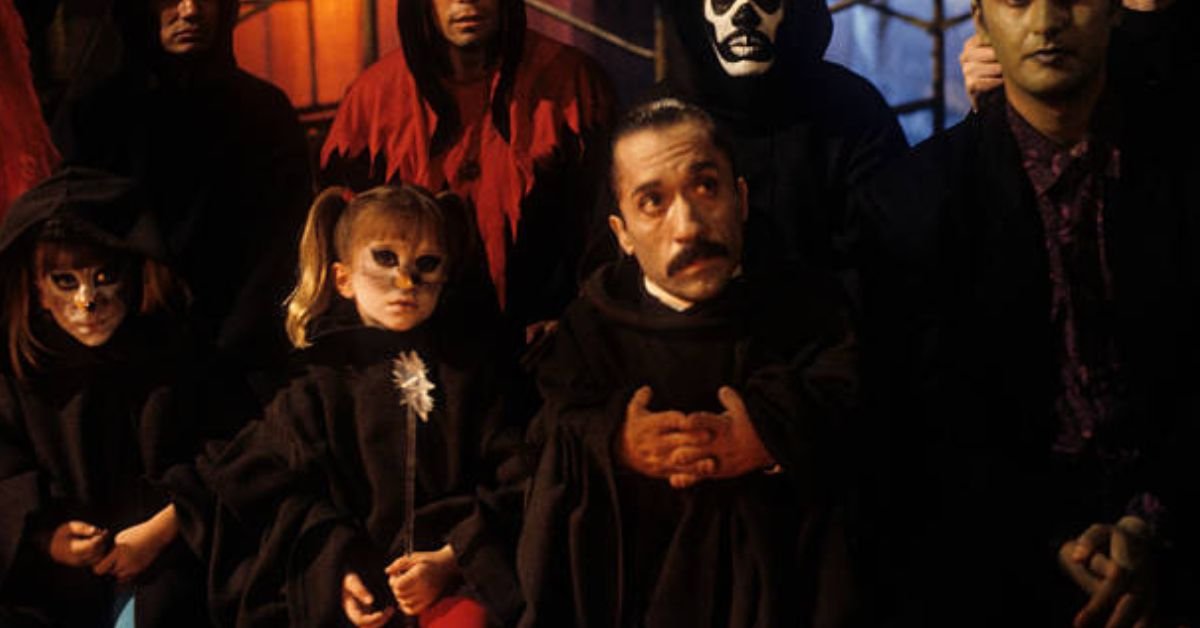
Best Halloween movies, you can’t go wrong with the classics. Films like “Halloween” (1978), “The Exorcist” (1973), and “A Nightmare on Elm Street” (1984) are horror staples that have stood the test of time. These movies have become synonymous with Halloween and continue to terrify audiences to this day.
Modern Halloween Movies
While classic horror movies are always a great choice, modern best Halloween movies are just as thrilling. Films like “Get Out” (2017), “A Quiet Place” (2018), and “Hereditary” (2018) have taken the horror genre by storm, offering fresh perspectives and new scares.
Family-Friendly Halloween Movies
Not everyone wants to watch a blood-curdling horror movie on Halloween. For families with younger kids, there are plenty of best Halloween movies that are fun and spooky without being too scary. Films like “Hocus Pocus” (1993), “It’s the Great Pumpkin, Charlie Brown” (1966), and “Monster House” (2006) are great options for a family movie night.
“I love watching Halloween movies with my kids. We always have a blast watching ‘Hocus Pocus’ together – it’s become a family tradition!”

Horror Subgenres
When it comes to best Halloween movies, there are many different subgenres to explore. From slasher films to supernatural horror, there’s something for every type of horror fan. Some popular subgenres include:
- Slasher films: Movies like “Halloween” and “A Nightmare on Elm Street” are classic examples of slasher films.
- Supernatural horror: Films like “The Conjuring” (2013) and “The Amityville Horror” (1979) are great examples of supernatural horror.
Frequently Asked Questions
Q: What are the best Halloween movies for kids?
A: For kids, some of the best Halloween movies include “Hocus Pocus”, “It’s the Great Pumpkin, Charlie Brown”, and “Monster House”. These films are fun and spooky without being too scary.
Q: What are the scariest Halloween movies?
A: If you’re looking for a scare, some of the best Halloween movies include “The Exorcist”, “The Shining” (1980), and “The Texas Chain Saw Massacre” (1974). These films are horror classics that are sure to terrify.
Q: Can I watch Halloween movies with my family?
A: Yes, there are many best Halloween movies that are suitable for families. You can choose films that are fun and spooky without being too scary.
Q: How can I make Halloween movie night more fun?
A: To make Halloween movie night more fun, you can create a cozy atmosphere with blankets, snacks, and dim lighting. You can also make it a themed night with costumes and decorations.
Conclusion
Best Halloween movies are a great way to get into the spooky spirit. Whether you’re a horror fan or just looking for a fun family movie night, there’s something for everyone.

Marsala wine originated in the 18th century in Sicily, Italy, where it was produced as a fortified wine to withstand the long sea journeys to England. The wine’s popularity grew, and it became a favorite among the British aristocracy. Today, marsala wine is enjoyed worldwide, both as a drink and as an ingredient in various recipes.
Types of Marsala Wine
Not all marsala wines are created equal. The type of marsala wine you choose depends on your personal taste preferences and the intended use. The main categories are:
- Fine: Aged for at least one year, fine marsala wine is a great all-purpose choice for cooking and drinking.
- Superiore: With a minimum aging period of two years, superiore marsala wine offers a more complex flavor profile.
- Superiore Riserva: Aged for at least four years, superiore riserva marsala wine is a premium product with a rich, intense flavor.
One chef raved about using marsala wine in their signature dish: “I add a splash of marsala wine to my risotto, and it elevates the entire flavor profile – it’s a game-changer!”
Cooking with Marsala Wine
Marsala wine is a versatile ingredient that can add depth and complexity to a variety of dishes. Some popular uses include:
- Risottos and pasta sauces: Marsala wine pairs beautifully with creamy sauces and rich pasta dishes.
- Meat and poultry: Use marsala wine to marinate or braise meat and poultry for added flavor.
- Desserts: Marsala wine can be used to make sweet treats like zabaglione or tiramisu.

Tips for Using Marsala Wine in Cooking
When cooking with marsala wine, keep the following tips in mind:
- Start with a small amount: Marsala wine can be potent, so begin with a small amount and adjust to taste.
- Choose the right type: Select a marsala wine that suits your recipe – fine for everyday cooking, superiore for more complex dishes.
- Don’t forget to reduce: Reducing marsala wine concentrates its flavors, making it a great addition to sauces and braising liquids.
Marsala Wine and Food Pairing
Marsala wine is not just for cooking; it’s also a great drink to enjoy on its own or paired with food. Some popular pairing options include:
- Cheese: Marsala wine pairs well with a variety of cheeses, from creamy brie to tangy parmesan.
- Chocolate: The sweetness of chocolate complements the rich, complex flavors of marsala wine.
- Nuts and fruit: Enjoy marsala wine with a selection of nuts and dried fruit for a satisfying snack.
Frequently Asked Questions
Q: What is the difference between marsala wine and other fortified wines?
A: Marsala wine is made from specific grape varieties and produced using a unique process, giving it a distinct flavor profile compared to other fortified wines.
Q: Can I substitute marsala wine with other types of wine in recipes?
A: While you can substitute marsala wine with other wines, it may alter the flavor profile of your dish. Marsala wine’s unique characteristics make it a great addition to many recipes.
Q: How should I store marsala wine?
A: Store marsala wine in a cool, dark place, away from direct sunlight and heat sources. Once opened, marsala wine can be stored in the refrigerator to slow down oxidation.
Q: Is marsala wine suitable for vegans?
A: Some marsala wines may use animal-derived products in the fining process. Look for vegan-friendly marsala wine options or check with the producer to confirm.
Conclusion
Marsala wine is a versatile and delicious addition to any kitchen or wine collection. Whether you’re a seasoned chef or a wine enthusiast, marsala wine is sure to delight.
-

 BLOG8 months ago
Shocking Gasp GIFs – Top 9 Picks
-

 BLOG6 months ago
Is Recurbate Safe for Users or a Hidden Risk?
-

 ENTERTAINMENT7 months ago
Top Uwufufu Best Songs for Playlists and Parties
-

 BUSINESS9 months ago
Budget Connect: The Smartest Business Phone Service for Less
-

 ENTERTAINMENT6 months ago
Peter Thiel Email: Safe and Verified Contact Methods
-

 BLOG9 months ago
Mark Spaeny: Tailoring Success and Raising a Star
-

 ENTERTAINMENT8 months ago
Twitter Rate Limit Exceeded: What It Means and How to Fix It Fast
-

 TECH9 months ago
Quick Guide: How to Easily Reset Your Acer Laptop