
FASHION
American Colonial Fashion: Threads of Identity

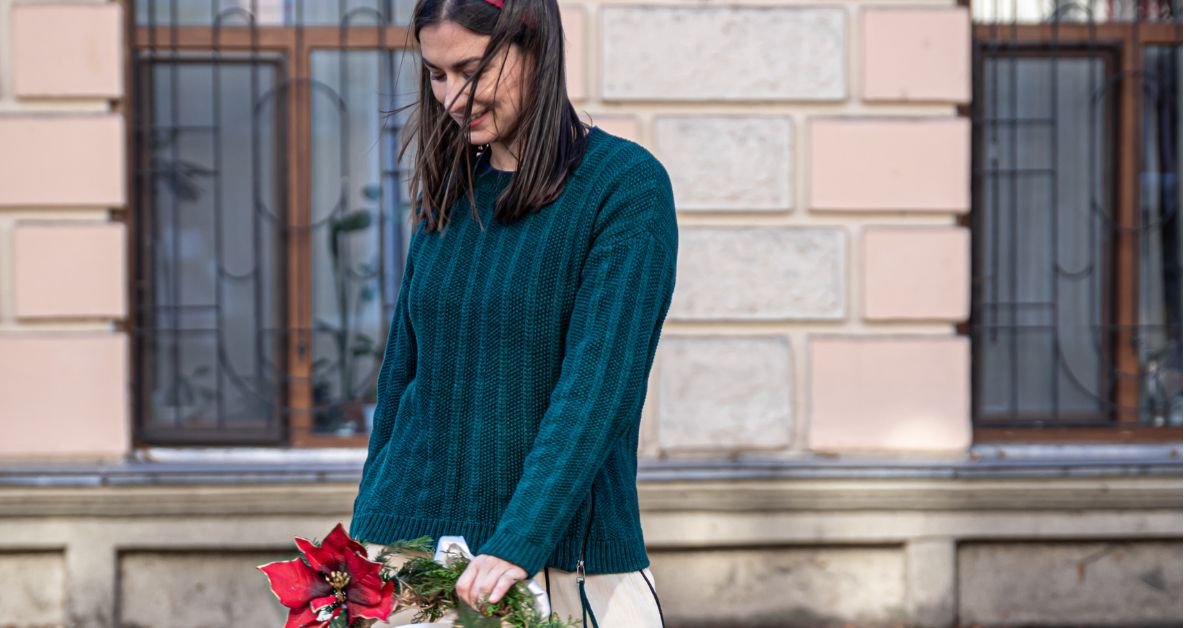
American colonial fashion tells a fascinating story of identity, culture, and politics woven through the fabrics and styles worn during the 17th and 18th centuries. Far beyond mere clothing, these garments symbolized social status, political allegiance, and regional differences in a growing new nation. From the homespun wool of patriot households to the ornate silk gowns favored by the wealthy elite, the attire of colonial America reflected a vibrant blend of practicality, European influence, and emerging American values.
The Foundations of Colonial Attire: Materials and Style
In the American colonies, clothing was more than personal adornment—it was an outward signifier of wealth, class, and political stance. Garments were typically crafted from locally produced materials such as homespun wool or linen, especially among rural families who valued durability and function. Homespun fabric became especially significant during the pre-Revolutionary period, as it was championed in the famous Homespun Movement, encouraging colonists to boycott British imports and wear clothing made from American-grown fibers.
Women’s colonial dress was characterized by several layers, each serving a distinct purpose. The first layer was the shift, a simple linen or cotton underdress worn next to the skin. Over this, stays—an early form of the corset—helped shape the torso into the fashionable silhouette of the time. Women often wore multiple petticoats to add volume and warmth, with some affluent women incorporating hooped petticoats or panniers for dramatic flair.

Women’s Fashion: Layers of Meaning and Modesty
The complexity of women’s colonial clothing went beyond aesthetics; it represented societal expectations surrounding femininity and modesty. The stays, for instance, were not merely decorative but enforced posture and propriety, reflecting the era’s ideals about a woman’s comportment. Women’s lace aprons and kerchiefs added both function and style, protecting the outer garments while also serving as fashionable accents.
The robe à la française, with its distinctive pleated back, was popular among wealthier women who could afford imported silks and intricate embroidery. Meanwhile, middle- and lower-class women often wore simpler, homespun dresses reflecting practicality and patriotism.
Children’s clothing mirrored adult styles but adapted for mobility and growth, with young girls wearing miniature stays and boys donning breeches and waistcoats. Clothing was thus a marker not only of gender but of the wearer’s stage in life.
Men’s Attire: Between Formality and Frontier
Colonial men’s clothing balanced elegance with the demands of a largely agrarian and frontier lifestyle. While urban gentlemen donned tailored waistcoats and frock coats made from fine fabrics, many colonial men dressed in simpler garments suited for manual labor. The tricorne hat was a ubiquitous accessory among men of means, its three-cornered design serving both practical and symbolic purposes.
Footwear such as stockings and buckle shoes completed the formal look, though everyday wear often prioritized comfort and durability over style.
Political Expression Through Dress: The Homespun Movement
The Homespun Movement emerged as a form of protest against British taxation and trade restrictions, encouraging colonists to boycott imported textiles and embrace locally made fabrics. Wearing homespun garments became a patriotic act, a visual declaration of support for independence.
This political symbolism extended to accessories as well. The choice of fabric, color, and style often conveyed subtle messages about loyalty, resistance, and social status.
Regional Variations and Social Stratification
American colonial fashion was not uniform but varied significantly across regions and social classes. In urban centers like Boston and Philadelphia, wealthier colonists wore luxurious silks, velvets, and lace imported from Europe, while rural communities relied heavily on homespun wool and linen. Southern colonies, with their plantation economies, exhibited fashions influenced by Baroque and Rococo styles, reflecting the wealth of the plantation elite.
The Legacy of Colonial Fashion Today
The threads of colonial fashion continue to influence contemporary culture and identity. Historic reenactments, museums, and fashion collections preserve and celebrate the artistry and symbolism of these garments. Institutions like Colonial Williamsburg offer detailed insights into the craftsmanship and cultural significance of 18th-century attire.
Modern designers occasionally draw inspiration from colonial styles, incorporating elements like waistcoats, frock coats, and lace trims into neoclassical and vintage-inspired collections. Beyond aesthetics, the colonial period’s emphasis on local production and sustainable fabrics resonates wtoday’s eco-conscious movements.

FAQs about American Colonial Fashion
Q1: What materials were commonly used in colonial American clothing?
>>>>>>Colonial clothing was primarily made from wool, linen, and cotton, with homespun fabrics being particularly important for rural families and political symbolism during the Homespun Movement. Wealthier individuals sometimes wore imported silks and velvets.
Q2: How did women’s colonial clothing differ from men’s?
Women wore multiple layers, including the shift, stays, petticoats, and gowns such as the robe à la française. Men’s fashion centered around breeches, waistcoats, frock coats, and tricorne hats, with a focus on both practicality and formal elegance.
Q3: What was the Homespun Movement?
>>>>>>The Homespun Movement was a colonial protest encouraging the wearing of locally produced textiles to resist British imports, thus symbolizing patriotism and support for American independence.
Q4: Why were powdered wigs popular among colonial men?
Powdered wigs, borrowed from European fashion, signified wealth, social status, and professionalism, especially among politicians, lawyers, and affluent gentlemen.
Q5: How did colonial fashion vary by region?
Urban centers had access to luxurious imported fabrics and elaborate styles, while rural areas favored practical, homespun garments. The Southern colonies often exhibited more ornate Baroque and Rococo influences.
Conclusion
American colonial fashion was more than just apparel; it was a rich tapestry of cultural identity, social signaling, and political expression. Through the layers of stays and petticoats, the cut of waistcoats, and the texture of homespun fabric, the colonists told stories about who they were and what they stood for. Today, these threads of identity remain woven into the fabric of American heritage, reminding us of the complex interplay between style, society, and self-expression in the nation’s formative years.
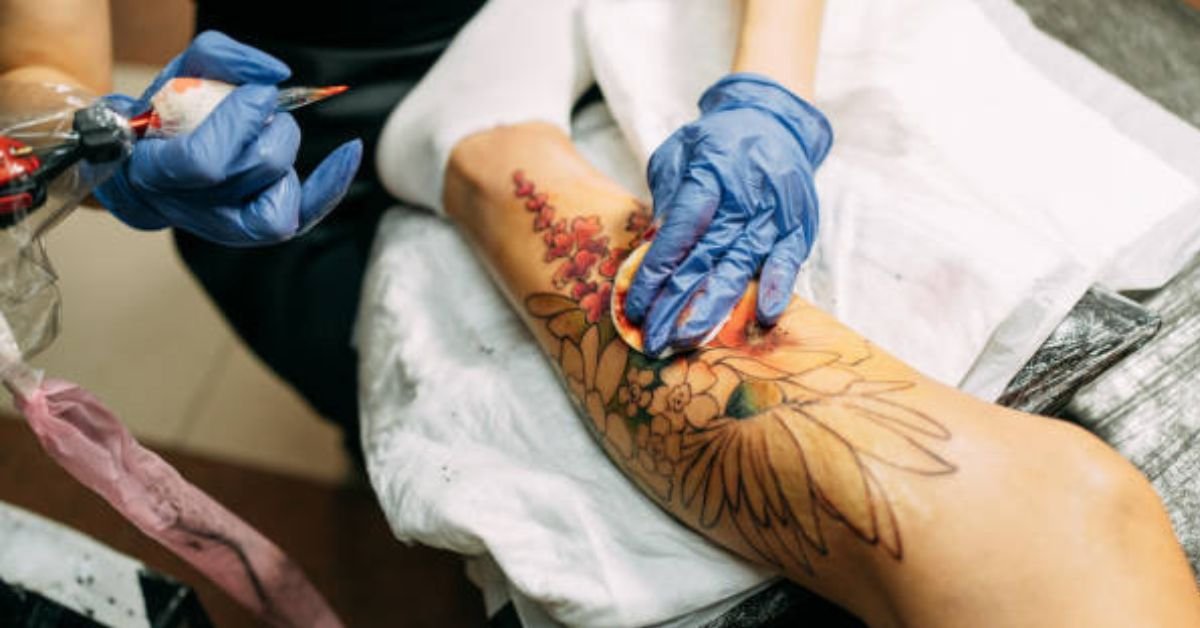
Tattoo pain chart is a visual representation of the human body, highlighting areas that are considered more or less painful to get tattooed. These charts are often based on user feedback, tattoo artist insights, and anatomical knowledge.
How to Use a Tattoo Pain Chart
When using a tattoo pain chart, it’s essential to keep in mind that pain is subjective and can vary greatly from person to person. However, these charts can provide a general idea of what to expect.
- Identify your tattoo location: Look at the chart and identify the area where you plan to get your tattoo.
- Understand the pain level: Check the corresponding pain level for that area, usually indicated by a color or number.
- Prepare yourself: Use this information to prepare yourself mentally and physically for the tattoo process.
“I was surprised by how much the tattoo pain chart helped me prepare for my session. I knew what to expect, and it made the experience much more manageable.”

Factors that Influence Tattoo Pain
While a tattoo pain chart can provide valuable insights, it’s essential to understand that pain is influenced by various factors, including:
- Individual pain tolerance: People have different pain thresholds, which can affect their experience.
- Tattoo technique: The skill and technique of the tattoo artist can impact the level of discomfort.
- Aftercare: Proper aftercare can help minimize discomfort during the healing process.
FAQs
Q: Are tattoo pain charts accurate?
A: While tattoo pain charts can provide a general idea of what to expect, they are not always 100% accurate. Pain is subjective, and individual experiences can vary.
Q: Can I use a tattoo pain chart to avoid pain?
A: While a tattoo pain chart can help you prepare, it’s not a guarantee against pain. However, it can help you make informed decisions about your tattoo placement.
Q: How can I minimize tattoo pain?
A: There are several ways to minimize tattoo pain, including taking breaks, using numbing creams, and practicing relaxation techniques.
Q: Are there any areas of the body that are more painful to get tattooed?
A: Yes, areas with more bone and less fat tend to be more painful, such as the ribs, feet, and hands.
The Future of Tattoo Pain Management
As the tattoo industry continues to evolve, we can expect to see new and innovative approaches to pain management. From advanced numbing creams to cutting-edge technology, the future of tattoo pain management is looking bright.
Conclusion
Tattoo pain chart is a valuable resource for anyone considering getting a tattoo. By understanding what to expect and taking steps to manage discomfort, you can have a more positive experience.
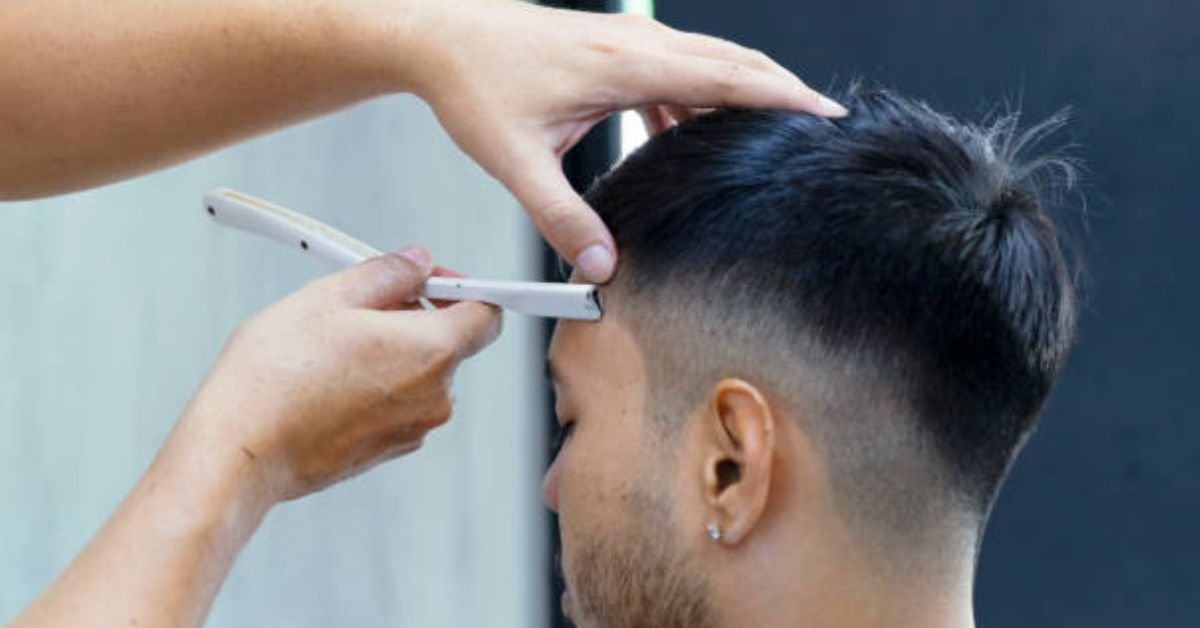
High taper fade is a type of haircut that involves cutting the hair close to the head, with a gradual decrease in length as you move up the scalp. The “high” refers to the fact that the fade starts higher up on the head, typically above the temples or even higher. This creates a seamless transition from the hair to the skin, giving the illusion of a more defined jawline and facial structure.
Benefits of a High Taper Fade
So, what are the benefits of a high taper fade? For one, it’s a great way to add some edge to your look without going for a drastic change. It’s also a low-maintenance haircut, as it requires minimal styling and upkeep. Plus, it can be paired with a variety of hairstyles, from messy textures to sleek, polished looks.
As one guy recently shared, “I got a high taper fade and it’s completely transformed my look. I feel more confident and put-together, even on days when I’m not feeling like styling my hair.”

How to Style a High Taper Fade
One of the best things about a high taper fade is its versatility. Whether you’re going for a casual, everyday look or a more formal, dressed-up style, this haircut can be adapted to suit your needs. Here are a few tips for styling a high taper fade:
- Use a bit of texture or pomade to add some grit and volume to your hair
- Keep the top layer of your hair messy and undone for a relaxed, effortless look
- Use a comb or brush to slick back your hair for a sleeker, more polished appearance
Pros and Cons of a High Taper Fade
Like any haircut, a high taper fade has its pros and cons. On the plus side, it’s a stylish and versatile cut that can be adapted to suit a variety of face shapes and hair types. However, it may not be suitable for everyone, particularly those with very curly or unruly hair.
Features and Usability of High Taper Fade in 2025
In 2025, the high taper fade continues to evolve, with barbers and stylists pushing the boundaries of this classic cut. Some of the latest trends include:
- Higher fades that start closer to the crown of the head
- More subtle, nuanced transitions between the hair and skin
- Pairing the high taper fade with other styles, such as a pompadour or quiff
Frequently Asked Questions
Q: Is a high taper fade suitable for all face shapes?
A: While a high taper fade can be adapted to suit most face shapes, it may not be the best choice for those with very round or square faces. It’s always a good idea to consult with a professional barber or stylist to determine the best haircut for your individual features.
Q: How often do I need to get a high taper fade touched up?
A: To maintain the clean, defined look of a high taper fade, it’s recommended to get it touched up every 2-4 weeks. This will help keep the fade looking sharp and prevent the hair from growing out too much.
Q: Can I get a high taper fade with curly or unruly hair?
A: While a high taper fade can be challenging to achieve with very curly or unruly hair, it’s not impossible. A skilled barber or stylist can work with you to create a customized cut that takes into account your hair type and texture.
Q: How do I style a high taper fade for a formal event?
A: To style a high taper fade for a formal event, try using a bit of product to slick back your hair and add some shine. You can also use a comb or brush to create a sleek, polished look.
Conclusion
High taper fade, remember that it’s all about finding a style that works for you. With its versatility and low-maintenance requirements, this haircut is definitely worth exploring.
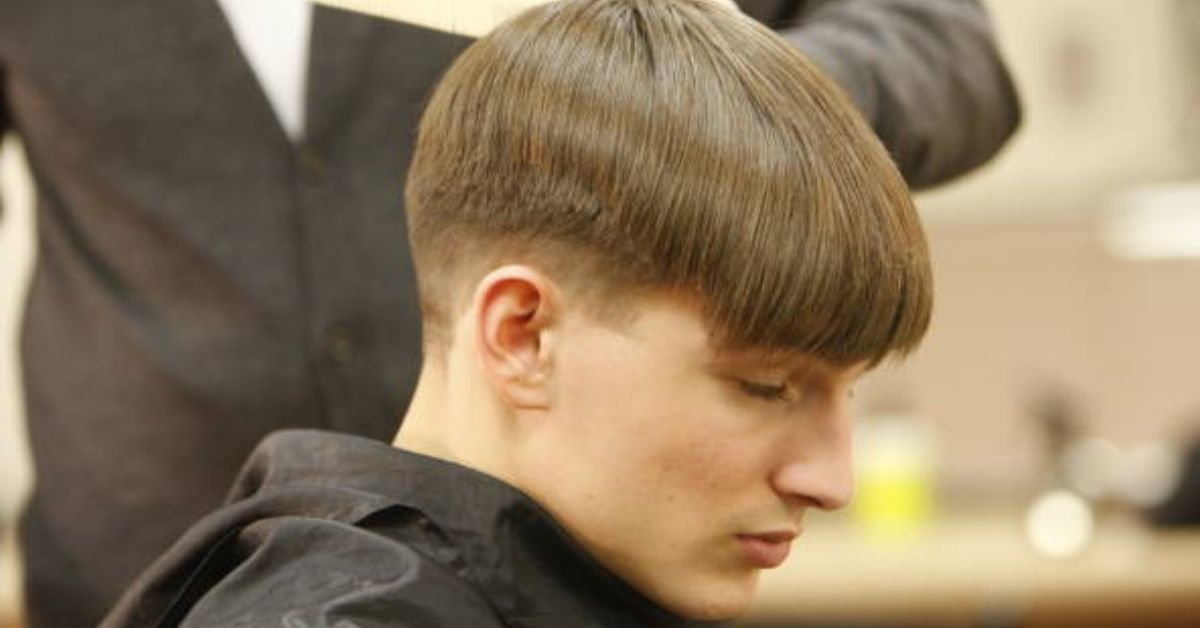
Bowl cut has a rich history, dating back to ancient civilizations. In the 1960s and 1970s, it was a popular choice among children, but it wasn’t until the 1980s and 1990s that it became a mainstream phenomenon. The hairstyle was characterized by its distinctive “bowl-like” shape, with the hair cut to the same length all around the head. But as with any trend, the bowl cut eventually fell out of favor, becoming a relic of a bygone era.
The Resurgence of the Bowl Cut
Fast-forward to 2025, and the bowl cut is once again gaining traction. With the rise of social media, influencers, and celebrities sporting the look, it’s clear that the bowl cut is back in a big way. But what’s driving this resurgence? Is it a nostalgic nod to the past, or is there something more to it? For some, the bowl cut is a statement piece, a way to express their individuality and stand out from the crowd. As one user put it, “I’m loving my new bowl cut! It’s so easy to style and maintain – I feel like a completely different person.”
The Pros and Cons of Rocking a Bowl Cut
So, is a bowl cut right for you? Let’s weigh the pros and cons. On the one hand, the bowl cut is a low-maintenance hairstyle that’s perfect for busy lives. It’s also a great way to add some edge to your look, and can be styled in a variety of ways to suit your mood. On the other hand, the bowl cut can be a bit of a commitment, requiring regular trims to maintain its shape. And, let’s be real, it’s not for everyone – some people just aren’t suited to the look.

Features and Usability in 2025
In terms of features and usability, the bowl cut is a relatively straightforward hairstyle. It’s easy to style, and can be paired with a variety of outfits and accessories. However, it’s worth noting that the bowl cut can be a bit high-risk, particularly if you’re not used to having a fringe (or bangs). If not styled correctly, the bowl cut can be a bit too “on the nose,” so to speak.
Styling Your Bowl Cut
So, you’ve decided to take the plunge and get a bowl cut. Now what? Styling your bowl cut is all about experimentation and finding what works for you. You can try pairing it with a bold lip color, or adding some texture with a styling product. The key is to have fun and be creative – after all, that’s what the bowl cut is all about.
Risks and Considerations
As with any hairstyle, there are risks associated with getting a bowl cut. For one, it can be a bit of a drastic change, particularly if you’re not used to having a fringe. Additionally, the bowl cut can be a bit high-maintenance, requiring regular trims to maintain its shape. However, for those who are willing to take the risk, the rewards can be well worth it.
FAQs
A: While a bowl cut can work for most hair types, it’s particularly well-suited to those with straight or slightly wavy hair. If you have curly or very fine hair, you may want to consider a different style.
A: To maintain the shape of your bowl cut, you’ll need to get regular trims every 4-6 weeks. This will help keep your hair looking healthy and prevent split ends.
A: Absolutely! One of the best things about the bowl cut is its versatility. You can style it sleek and straight, or add some texture with a styling product.
A: While a bowl cut can be a bit edgy, it can also be styled to suit a professional setting. It really depends on your personal style and the industry you’re in.
Conclusion
The bowl cut is a hairstyle that’s here to stay, at least for the time being. With its rich history, versatility, and low-maintenance requirements, it’s no wonder that it’s making a comeback in 2025. Whether you’re a fan of the look or not, one thing’s for sure: the bowl cut is a hairstyle that’s not going away anytime soon.
-

 BLOG8 months ago
Shocking Gasp GIFs – Top 9 Picks
-

 BLOG6 months ago
Is Recurbate Safe for Users or a Hidden Risk?
-

 ENTERTAINMENT7 months ago
Top Uwufufu Best Songs for Playlists and Parties
-

 BUSINESS8 months ago
Budget Connect: The Smartest Business Phone Service for Less
-

 ENTERTAINMENT6 months ago
Peter Thiel Email: Safe and Verified Contact Methods
-

 BLOG9 months ago
Mark Spaeny: Tailoring Success and Raising a Star
-

 ENTERTAINMENT8 months ago
Twitter Rate Limit Exceeded: What It Means and How to Fix It Fast
-

 TECH9 months ago
Quick Guide: How to Easily Reset Your Acer Laptop